Property owners frequently wonder about material expenses, delivery fees, and the exact volume required for their outdoor spaces. So, how much does pea gravel cost in 2026? As landscaping trends shift toward low-maintenance, water-wise yards, understanding the full financial scope of your project becomes essential.
Nationwide, pea gravel costs between $30 and $55 per ton for bulk material, or roughly $3 to $6 per 0.5-cubic-foot bag. For a standard residential project requiring about 3 cubic yards (roughly 4 tons) of bulk delivery, total material expenses typically range from $120 to $220 before delivery fees and professional labor. Project size, delivery distance, stone color variety, and local quarry pricing drive the final total.
This guide breaks down every aspect of estimating, buying, and installing pea gravel. You will find clear coverage formulas, standard quantity tables, regional cost factors, and step-by-step guidance to keep your project on budget.
Understanding Pea Gravel and Material Types
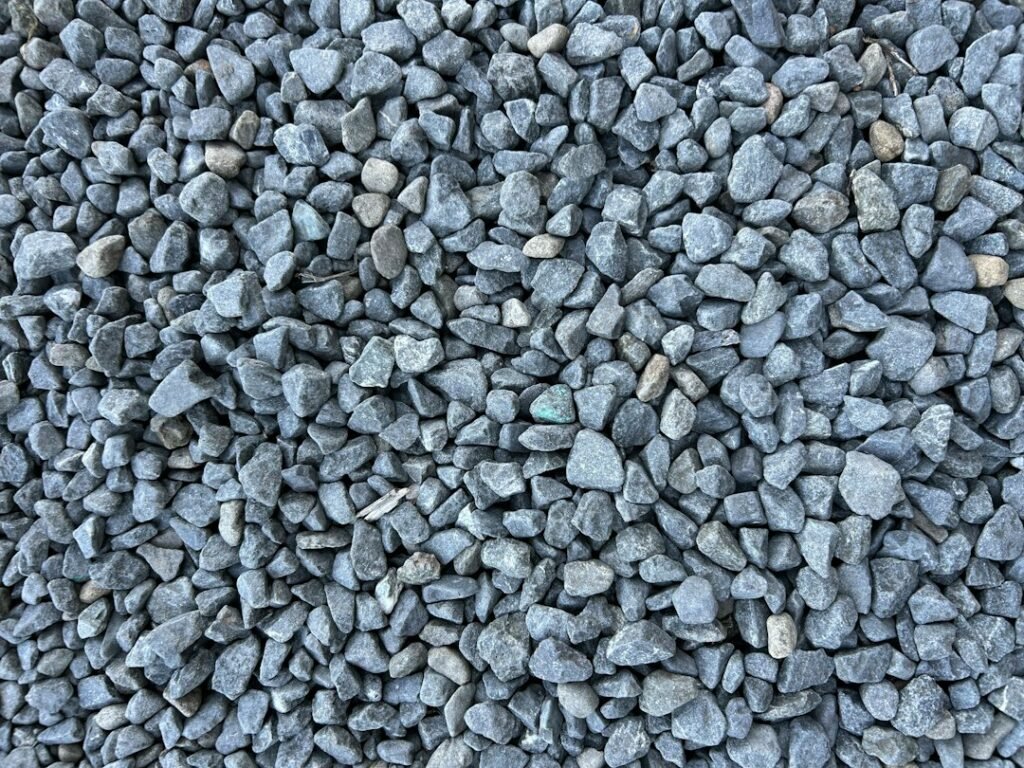
Pea gravel consists of small, rounded stones that resemble the size and shape of a green pea, typically measuring between 3/8 inch and 3/4 inch in diameter. Because natural water erosion rounds off their edges, these smooth stones feel comfortable underfoot and prevent the sharp edges found in crushed rock. Suppliers offer various colors depending on regional mineral deposits.
The unique geological formation of pea gravel makes it a favorite among landscape architects and DIY homeowners alike. Unlike angular crushed stone, which locks together to form a rigid surface, rounded pea gravel shifts slightly under pressure. This characteristic requires proper containment, but it also provides superior drainage and a softer aesthetic that complements both traditional and modern architectural styles.
When evaluating different types of stone, homeowners should also consider how the material performs under different weather conditions. Smooth quartz and river rock selections retain very little heat compared to dark asphalt-based aggregates, making them more comfortable for pets walking across sunny courtyards during peak summer months. Furthermore, the natural porous nature of certain sandstone-derived pea gravels means they may require a protective sealant if installed in heavy runoff areas prone to mineral staining.
Common Pea Gravel Varieties
Natural multi-colored mixes feature earthy tans, browns, grays, and whites sourced from local riverbeds. These blends offer an affordable, classic aesthetic for general landscaping and dog runs.
- River Rock Mixes: Provide a smooth, multicolored appearance that blends seamlessly into natural garden environments.
- Solid White Marble Chips: Offer a bright, high-contrast look for formal flower beds, though they carry a higher price tag.
- Dark Basalt and Trap Rock: Bring a modern charcoal or black tone to contemporary hardscapes.
- Desert Gold and Tan Quartz: Feature warm, golden undertones that brighten up shady side yards and drought-tolerant xeriscapes.
When selecting a type, consider your home’s exterior color scheme and whether pets or bare feet will frequently touch the stones. Smooth, rounded stones are always safer for high-traffic zones than crushed aggregates.
Pea Gravel Cost Breakdown by Project Size

Estimating expenses requires looking at both bulk delivery and bagged options. Bulk purchases are far more economical for areas exceeding 100 square feet, while bagged gravel works well for small touch-ups or raised garden beds.
Try Our Free Calculators:
Here is a planning reference for bulk pea gravel costs based on common project footprints, assuming a standard 2-inch installation depth:
| Project Size (Sq. Ft.) | Estimated Quantity (Tons) | Estimated Material Cost Range |
|---|---|---|
| 100 sq. ft. | 0.7 tons | $25 – $40 |
| 250 sq. ft. | 1.8 tons | $60 – $100 |
| 500 sq. ft. | 3.6 tons | $110 – $200 |
| 1,000 sq. ft. | 7.2 tons | $220 – $400 |
| 1,500 sq. ft. | 10.8 tons | $330 – $600 |
Estimated Pea Gravel Cost by Project Size
Chart note: Values represent approximate total material costs for bulk pea gravel installed at a 2-inch depth.
These figures reflect material-only planning estimates. Delivery fees from local quarries or landscape yards typically add $50 to $150 depending on your mileage and truck size.
Regional Cost Variances and Delivery Impact
Where you live plays a dramatic role in your final pea gravel budget. Proximity to active riverbeds, regional granite quarries, or coastal sorting facilities determines base material pricing. If a local supplier has to transport aggregate across state lines or through heavy metropolitan traffic, transportation surcharges can easily double the invoice price.
Additionally, delivery trucks usually charge a flat rate for the first 10 to 20 miles, followed by a per-mile fee thereafter. Ordering your gravel from the closest possible quarry or regional distributor is one of the most effective ways to keep delivery overhead manageable.
How to Calculate Pea Gravel Quantity

Calculating the correct amount of gravel prevents costly over-ordering or frustrating mid-project shortages. The fundamental rule of thumb in landscaping is that one cubic yard of gravel covers roughly 100 square feet at a 3-inch depth, or 150 square feet at a 2-inch depth.
You can verify your volume requirements quickly by using our dedicated Aggregate Cost Calculator before placing an order with a local supplier.
The Mathematical Formula
To find the exact volume in cubic yards, multiply your project’s length (in feet) by its width (in feet) to find the square footage. Next, multiply that total by the desired depth (in feet, meaning 2 inches becomes 0.166 feet, and 3 inches becomes 0.25 feet). Finally, divide that cubic footage by 27, since there are 27 cubic feet in one cubic yard.
For example, a pathway that is 30 feet long, 3 feet wide, and needs a 2-inch depth requires 30 x 3 = 90 square feet. Multiplying 90 by 0.166 gives 14.94 cubic feet. Dividing by 27 yields approximately 0.55 cubic yards.
Accounting for Settling and Wastage
Always add an extra 10% to your final calculation to account for settling, irregular excavation depths, and minor spillage during spreading. If your mathematical formula dictates 4 tons of gravel, ordering 4.5 tons ensures you will not come up short when compacting the base layers.
Measuring Irregular Shapes and Curved Pathways
Many landscaping designs feature sweeping curves, circular fire pit pads, or irregular garden beds that cannot be easily calculated with basic length-by-width formulas. To handle irregular shapes, break your total layout down into smaller geometric segments such as squares, triangles, or circles.
For a circular garden bed, calculate the radius (half the distance across), square it, multiply by pi (approximately 3.14), and then apply your depth factor. Sum up the cubic yard totals for each individual section to arrive at your master purchasing volume.
Also Read:
- How Much Gravel Do I Need for a Driveway? (2026 Calculator & Volume Guide)
- How to Calculate Gravel for a Driveway: A Step-by-Step Guide for 2026
- Gravel Calculator: How Much Gravel Do I Need in 2026?
- How Much Does Gravel Cost in 2026? Pricing, Delivery, and Calculator Guide
- Flooring Cost Calculator Guide: 2026 Price Estimates per Square Foot
Bulk Delivery vs. Bagged Pea Gravel
Deciding between bulk delivery and bagged product depends entirely on your project scale and property access. Buying in bulk by the ton or cubic yard is almost always cheaper per unit, but it requires a clear drop-off spot like a driveway.
Bagged Pea Gravel Details
Bagged stone is sold in 0.5-cubic-foot bags weighing about 40 to 50 pounds each. At $3 to $6 per bag, covering a large area becomes prohibitively expensive and labor-intensive.
- Convenience: Easy to transport in a standard car trunk or SUV without renting a truck or paying delivery minimums.
- Clean Storage: Bags can sit on a pallet for weeks without washing away or muddying your driveway.
- Higher Cost: Equivalent volume can cost up to three times more than bulk delivery.
For large areas, bulk delivery is the clear winner. You can plan your budget efficiently by checking our Material Cost Calculator to compare bulk versus bagged expenses.
Logistical Considerations for Dump Truck Drop-Offs
When scheduling a bulk dump truck delivery, inspect your drop-off zone carefully. Fully loaded tri-axle dump trucks can weigh upwards of 30,000 pounds, meaning they can easily crack aging concrete driveways, snap underground water lines, or crush shallow septic tank covers.
Furthermore, look up to check for low-hanging utility wires and overhanging tree branches. If the driver cannot safely raise the truck bed to dump the load, they may resort to tailgating the gravel along a street curb or refusing the delivery entirely, leaving you with unexpected off-loading fees.
Labor and Professional Installation Costs
While many homeowners tackle pea gravel installation as a weekend DIY project, hiring landscaping professionals is common for complex layouts, extensive excavation, or steep slopes.
Professional labor typically adds $15 to $35 per square foot for a complete turnkey installation package. This price generally includes clearing existing sod, excavating soil to the correct depth, compacting the subgrade, laying heavy-duty commercial weed fabric, and spreading the gravel evenly.
What Influences Contractor Quotes?
Site accessibility heavily impacts labor fees. If heavy wheelbarrows or motorized buggies cannot reach your backyard, workers must move material manually, which increases labor time.
- Site Grading: Sloped terrain requires terracing or edging to keep gravel from washing away during heavy rainstorms.
- Sub-Base Preparation: Installing a stabilized sub-base with crushed stone prevents pea gravel from sinking into soft clay soil.
- Edging Materials: Adding steel, stone, or thick plastic landscape edging adds $2 to $5 per linear foot.
Evaluating Crew Experience and Warranties
When reviewing contractor bids, verify whether the company provides a workmanship warranty on hardscape installations. Experienced crews understand how to grade sub-bases to direct surface runoff away from building foundations, protecting your home’s structural integrity while delivering an attractive aesthetic finish.
Hidden and Additional Project Expenses

Budgeting for pea gravel requires looking beyond the basic cost of the stone. Overlooking foundational supplies can quickly derail your initial cost estimates.
Landscape fabric is essential underneath pea gravel. High-quality commercial woven geotextile fabric costs between $0.15 and $0.40 per square foot and prevents stubborn weeds from pushing up through your decorative stones.
Edging and Retention
Because pea gravel is loose and mobile, reliable edging is non-negotiable. Without physical barriers, stones scatter onto lawns and flower beds within weeks. Metal landscape edging offers clean lines and lasts for decades, while treated wood or poured concrete curbs provide robust retention for heavy traffic zones.
Drainage and Sub-Base Aggregates
In areas prone to heavy rainfall, dumping pea gravel straight onto native soil can result in a muddy quagmire beneath your stones. Professional installations often require a 1-to-2-inch layer of crushed angular limestone or recycled concrete as a sub-base. This foundational layer adds roughly $0.50 to $1.25 per square foot in material costs but ensures proper load-bearing capacity and immaculate drainage.
Step-by-Step Installation Guide
Proper installation ensures your pea gravel surface remains neat, durable, and weed-free for years to come. Follow this step-by-step process to achieve professional results.
- Mark the Area: Use stakes and mason’s string to outline the exact boundary of your pathway, patio, or garden bed.
- Excavate the Soil: Dig out the interior area to a depth of 3 to 4 inches, accounting for the thickness of the weed fabric and the 2-to-3-inch gravel layer.
- Compact the Subgrade: Tamp the exposed earth using a hand tamper or a mechanical plate compactor to create a solid foundation.
- Install Edging: Secure your chosen metal, plastic, or wooden edging along the perimeter, anchoring it firmly into the subgrade.
- Lay Geotextile Fabric: Roll out commercial-grade weed barrier fabric across the excavated area, overlapping seams by at least 6 inches and securing them with landscape staples.
- Spread the Gravel: Dump the pea gravel into the space and use a rake or shovel to distribute it into an even, level layer.
Post-Installation Maintenance Practices
Once your pea gravel project is complete, simple upkeep preserves its pristine appearance. Periodically rake scattered stones back into the main body of the pathway, and use a leaf blower on a low setting to clear fallen leaves and organic debris before they decompose and turn into soil that fosters weed growth.
Common Mistakes to Avoid
Installing pea gravel incorrectly leads to constant maintenance headaches and wasted money. Being aware of these common pitfalls ensures a long-lasting, functional surface.
- Skipping weed barrier fabric: Failing to lay down commercial-grade geotextile fabric under the stones guarantees that weed seeds will germinate in the organic dust between rocks.
- Pouring gravel too thin: Spreading stones less than 2 inches deep exposes the bare dirt underneath and creates patchy spots. Always aim for a solid 2 to 3-inch depth.
- Ignoring sub-base stabilization: Dumping round stones directly onto wet clay without a compacted crushed stone sub-base causes the gravel to sink under foot traffic.
- Neglecting perimeter edging: Omitting sturdy edging allows stones to migrate into grass, creating a mowing hazard and thinning your pathway.
- Choosing the wrong stone size for pets: Selecting stones that are too small can get caught between dog paws, while oversized stones can be uncomfortable for animal walking paths.
How to Lower the Cost of Your Pea Gravel Project

Landscaping projects can strain household budgets, but several smart strategies can minimize expenses without sacrificing the finished look of your yard.
- Pick up bulk materials yourself: If you own a heavy-duty pickup truck or utility trailer, picking up bulk gravel directly from the local quarry eliminates high delivery truck fees.
- Handle the prep work: Renting a sod cutter and digging out the earth yourself saves hundreds of dollars in contractor labor charges.
- Buy during off-peak seasons: Landscape yards and quarries occasionally offer discounted rates or promotional delivery specials during early spring or late autumn.
- Calculate accurately: Avoid buying excessive extra material by measuring your project boundaries twice before ordering.
Sourcing Recycled or Alternative Aggregates
If local stone prices exceed your financial target, inquire with regional suppliers about recycled crushed glass, local pit-run gravel, or industrial byproduct aggregates. While traditional pea gravel features a polished riverbed look, alternative local aggregates can often provide similar drainage and functional benefits at a fraction of the cost for utility zones or hidden side-yard storage pads.
How to Get an Accurate Contractor or Supplier Quote
Securing reliable pricing requires clear communication with local stone yards and contractors. Preparation ensures you receive transparent estimates without surprise fees.
Measure your exact length, width, and desired depth before making phone calls. Ask suppliers whether their quotes include delivery, tailgate spreading, or fuel surcharges. When hiring contractors, request itemized bids that separate excavation labor, weed barrier installation, edging materials, and gravel costs.
For preliminary planning, you can utilize BuildCost.online’s Landscaping Cost Calculator to establish a realistic baseline budget before reaching out to local professionals.
Questions to Ask Aggregate Suppliers Before Purchasing
Before locking in your gravel order, ask customer service representatives a few targeted questions to protect your investment. Confirm whether the stone has been washed at the quarry, as unwashed pea gravel arrives coated in thick stone dust and clay silt that turns into a muddy film during the first rainfall. Inquire about bulk minimums, split-load fees if ordering multiple aggregate types, and their policy on returning unused material if your calculations run slightly high.
Frequently Asked Questions
How deep should pea gravel be laid?
Pea gravel should generally be installed at a depth of 2 to 3 inches. Anything less than 2 inches exposes the underlying soil or weed fabric, while depths exceeding 4 inches make walking unstable and difficult.
How much does a cubic yard of pea gravel weigh?
A cubic yard of dry pea gravel weighs approximately 2,700 to 3,000 pounds (1.35 to 1.5 tons). Keep this weight limit in mind if you plan to haul it with a standard pickup truck.
Do I need weed fabric under pea gravel?
Yes, laying down a commercial-grade woven geotextile weed barrier is highly recommended. It prevents dirt from mixing with the stones and stops weed seeds from taking root.
Is pea gravel good for dog runs?
Pea gravel is an excellent choice for dog runs because the smooth, rounded stones do not scratch paws. It also drains pet urine effectively and can be easily washed down with a hose.
Why does pea gravel shift around so much?
Because pea gravel stones are naturally smooth and rounded, they roll over one another under foot traffic. Installing rigid metal or stone edging and compacting a crushed stone sub-base helps lock the stones in place.
How do you clean pea gravel?
You can clean pea gravel by spraying it with a garden hose nozzle to wash away dirt and debris. For stubborn organic matter or pet odors, use a mild mixture of dish soap and water, then rinse thoroughly.
Final Takeaway
Planning a pea gravel project comes down to balancing material quality, accurate volume calculations, and proper site preparation. Whether you are building a serene garden pathway or refreshing a backyard patio, understanding your material needs prevents unexpected budget overruns.
- Bulk Material Pricing: Expect to pay $30 to $55 per ton for bulk stone delivery.
- Bagged Pricing: Expect $3 to $6 per half-cubic-foot bag for smaller touch-up projects.
- Coverage Rule: One cubic yard covers roughly 100 square feet at a 3-inch depth.
- Essential Prep: Always include commercial weed fabric and rigid perimeter edging in your plans.
The biggest cost variables remain delivery distance, required excavation depth, and professional labor rates. For precise project budgeting, utilize BuildCost.online’s Landscaping Cost Calculator and compare local supplier quotes before starting your work.
Estimates vary by location, supplier and site conditions and should be verified locally.