You are staring at a muddy rutt or a worn-out dirt path and wondering how many truckloads of stone it will take to finally fix it. So, how much gravel for driveway projects do you actually need to order to get a solid, long-lasting surface without wasting money on excess material?
For a standard single-car driveway measuring 10 feet wide by 50 feet long (500 square feet) at a recommended depth of 4 inches, you will need approximately 6.2 cubic yards of gravel, which translates to about 9 to 10 tons of crushed stone. Getting this calculation right is critical because under-ordering leaves you short mid-project, while over-ordering leaves unsightly piles of rock in your yard and wastes your hard-earned cash.
Calculating driveway gravel requires measuring length, width, and depth, converting those dimensions into cubic yards, and multiplying by a standard compaction and density factor to get your total weight in tons. Quarry operators and delivery drivers measure aggregate by weight, but home improvement calculators usually work in volume. Bridging that gap prevents costly delivery mistakes and keeps your project moving smoothly from start to finish.
In this guide, we break down the exact mathematics behind gravel volume calculations, explore how different stone sizes and driveway configurations impact your total material needs, and provide clear tonnage tables for various project sizes. You will also learn how to account for waste, measure irregular layouts, and use planning tools like our Driveway Gravel Calculator to streamline your material ordering process.
Understanding the Basic Gravel Volume Formula

Before calling your local quarry, you must understand the mathematical formula that governs aggregate volume. The foundation of any good material estimate is multiplying the three physical dimensions of your driveway area: length, width, and depth. Because measuring tapes usually use feet while gravel is sold by the cubic yard or ton, you have to convert your numbers.
To find the total cubic footage of your driveway, multiply the length in feet by the width in feet, and then multiply that result by your depth expressed as a fraction of a foot. For example, if your driveway is 40 feet long, 10 feet wide, and you want a standard 4-inch compacted layer, your depth is 4 divided by 12, which equals 0.333 feet. Multiplying 40 by 10 by 0.333 gives you roughly 133.2 cubic feet of space to fill.
Once you have your cubic footage, you convert it into cubic yards by dividing by 27, since one cubic yard contains 27 cubic feet. Taking our previous example of 133.2 cubic feet and dividing by 27 yields about 4.93 cubic yards of loose gravel volume. This basic formula applies whether you are planning a small parking pad or a long rural lane.
You can verify your measurements quickly by using our Gravel Calculator to check your math before finalizing your order. Precision at this stage ensures your supplier brings the right number of tri-axle or single-axle dump truck loads without leaving you stranded with an unfinished driveway.
Converting Cubic Yards to Tons for Quarry Orders

Quarries almost never sell gravel by the cubic yard alone; they weigh aggregate on commercial scales and sell by the ton. Converting your volume in cubic yards to weight in tons requires knowing the average density of crushed stone, which typically weighs about 1.4 to 1.5 tons per cubic yard depending on the rock type and moisture content.
To convert cubic yards to tons, multiply your total cubic yard figure by 1.45 as a standard planning average. If your project requires 10 cubic yards of gravel, multiplying 10 by 1.45 gives you 14.5 tons of material. Granite, limestone, and trap rock sit comfortably in this density range, though wet weather can add extra water weight to uncovered quarry stockpiles.
It is helpful to cross-reference your figures with our Aggregate Calculator to ensure your weight conversions match local supplier standards. Local aggregate densities can vary slightly depending on regional geology, so always ask your supplier for their specific weight conversion factor when requesting a quote over the phone.
Recommended Driveway Gravel Depth Guidelines

Depth is the most common variable that trips up DIY builders, and guessing wrong can ruin your driveway within a single rainy season. A gravel driveway is not just a single layer of decorative stone thrown on bare dirt; it is a structural system built in distinct layers to handle vehicular weight without sinking into the subgrade.
Try Our Free Calculators:
Standard residential driveways require a total depth of 4 to 6 inches of gravel for light to moderate passenger vehicle traffic. If your driveway will occasionally support heavy delivery trucks, RVs, or construction equipment, you should increase your total structural depth to 8 or 10 inches by incorporating a heavy sub-base layer of crushed concrete or large surge stone.
Here is a breakdown of typical driveway depth requirements by layer and function:
- Base Layer (Sub-base): 3 to 6 inches of large crushed stone (such as 1.5-inch or 2-inch stone) to bridge soft soil and provide structural load-bearing strength.
- Surface Layer (Top course): 2 to 3 inches of smaller crushed aggregate (such as 3/4-inch minus or crusher run) that packs tightly together to create a smooth driving surface.
- Total Finished Depth: 4 to 8 inches overall, depending on your local climate, native soil conditions, and expected vehicle traffic volume.
For a quick preliminary check of material volumes across different depths, you can use our Crushed Stone Calculator to model various thickness scenarios before ordering.
Driveway Size and Tonnage Reference Table
Every driveway is a unique shape and size, but looking at standardized dimensional categories helps you estimate your material needs at a glance. The following reference table outlines typical gravel requirements for common residential driveway sizes assuming a standard 4-inch finished depth.
| Driveway Size (Sq. Ft.) | Dimensions (Approx.) | Cubic Yards Needed | Estimated Tons (at 1.45 factor) |
|---|---|---|---|
| 200 sq. ft. | 10 ft x 20 ft (Small pad) | 2.5 cu. yd. | 3.6 tons |
| 400 sq. ft. | 10 ft x 40 ft (Short single car) | 5.0 cu. yd. | 7.3 tons |
| 600 sq. ft. | 12 ft x 50 ft (Standard single car) | 7.4 cu. yd. | 10.7 tons |
| 1,000 sq. ft. | 20 ft x 50 ft (Double car wide) | 12.3 cu. yd. | 17.8 tons |
| 1,500 sq. ft. | 15 ft x 100 ft (Long rural lane) | 18.5 cu. yd. | 26.8 tons |
| 2,000 sq. ft. | 20 ft x 100 ft (Large estate drive) | 24.7 cu. yd. | 35.8 tons |
Estimated Gravel Tonnage by Driveway Size
Chart note: Estimated total tonnage required for a 4-inch deep gravel layer including a 10 percent compaction buffer. Actual weight varies by stone density and moisture.
Keep in mind that these figures represent loose material volume before compaction. When heavy compactors or vehicle tires roll over crushed stone, the air pockets collapse and the material settles downward by about 10 to 15 percent.
Accounting for Compaction and Waste Allowance
A frequent mistake made by first-time DIY builders is ordering the exact mathematical volume of gravel without adding a waste and compaction factor. If your calculations show you need exactly 10 tons of gravel to fill a designated volume, ordering only 10 tons will leave your driveway looking thin and patchy once compacted.
Crushed stone settles as it is graded, rolled, and driven over, meaning you need to purchase extra material to reach your target finished height. Furthermore, uneven subgrades, wheel ruts, and slight excavation errors consume more stone than a flat computer calculation suggests.
To prevent coming up short on delivery day, always add a 10% to 15% waste and compaction buffer to your final tonnage. If your base calculation calls for 15 tons, multiply 15 by 1.10 to get a recommended order of 16.5 tons, or round up to the nearest whole truckload increment based on your supplier’s delivery minimums.
Choosing the Right Aggregate Size and Type
Not all gravel is created equal, and choosing the wrong stone size can result in a driveway that is either too muddy when wet or too loose to walk and drive on comfortably. Understanding the numbering system for crushed stone helps you select the ideal combination for your sub-base and top layers.
Crusher Run (Dense Graded Aggregate)
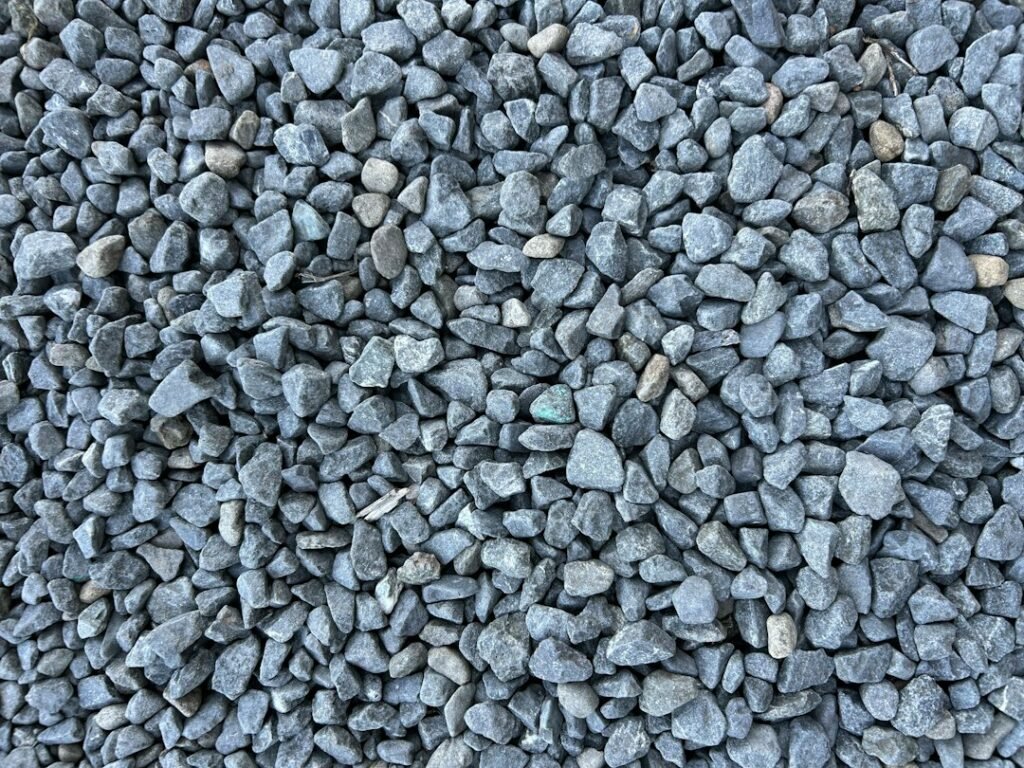
Crusher run, often called quarry process or item 4, consists of a mixture of angular crushed stone ranging from 3/4-inch down to stone dust. This mix is the gold standard for driveway surfaces because the fine dust binds the larger angular stones together into a rock-solid, asphalt-like mat when compacted.
- Advantages: Packs down extremely hard, resists shifting under tires, and sheds water effectively.
- Trade-off: Can feel slightly dusty in dry summer months and lacks the decorative look of rounded river rock.
Three-Quarter Inch Crushed Stone (#57 Stone)
Number 57 stone consists of clean, uniform angular stones measuring roughly 3/4 inch with no fine dust or powder mixed in. It is widely used for drainage trenches and top dressing on established gravel driveways.
Also Read:
- How to Calculate Gravel for a Driveway: A Step-by-Step Guide for 2026
- Gravel Calculator: How Much Gravel Do I Need in 2026?
- How Much Does Gravel Cost in 2026? Pricing, Delivery, and Calculator Guide
- How to Calculate Concrete Volume: Step-by-Step Guide for DIYers and Contractors
- Concrete vs Asphalt vs Pavers: Driveway Cost Comparison (2026)
- Advantages: Excellent drainage properties and clean aesthetic appearance.
- Trade-off: Does not pack tightly on its own, meaning cars can spin tires and kick up loose stones if laid too thick on a bare surface.
Pea Gravel
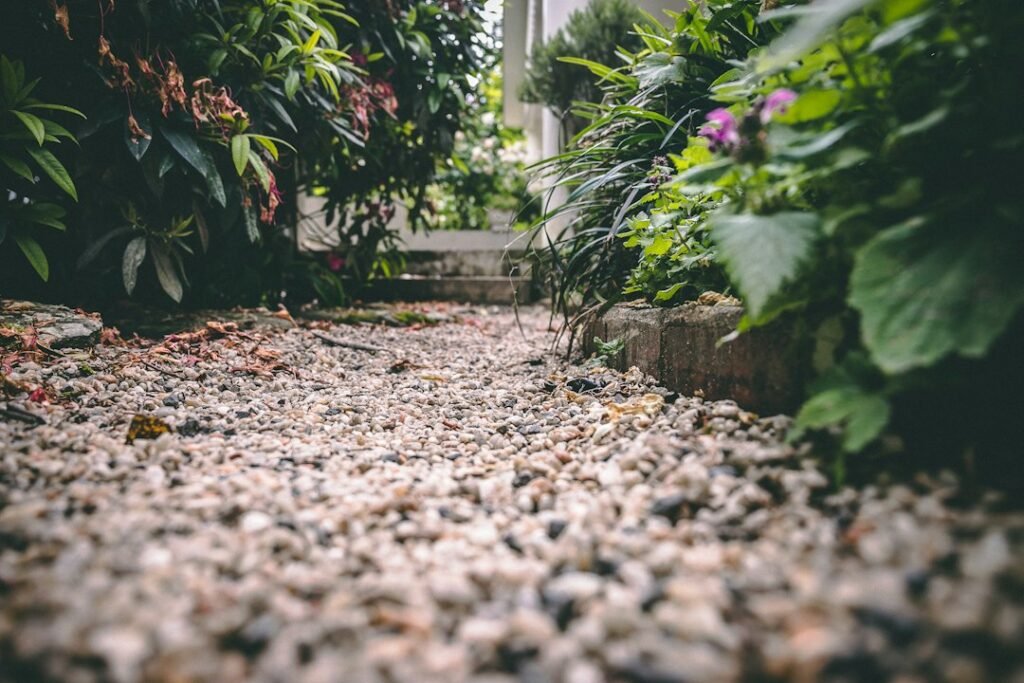
Pea gravel features smooth, rounded stones roughly the size of garden peas, typically ranging from 3/8 inch to 1/2 inch in diameter. While attractive in landscaping beds, it makes a poor choice for primary driveway surfaces.
- Advantages: Smooth texture, pleasant appearance, and comfortable to walk on barefoot.
- Trade-off: Acts like ball bearings under car tires, causing deep ruts and making walking or pushing strollers difficult.
| Material Type | Typical Cost Level | Maintenance Needs | Key Considerations |
|---|---|---|---|
| Crusher Run | Moderate ($30–$45/ton) | Low to Moderate | Best overall surface; packs firm and resists ruts. |
| #57 Crushed Stone | Moderate ($35–$55/ton) | Moderate | Great for top dressing; loose unless confined well. |
| Pea Gravel | Higher ($45–$70/ton) | High | Unstable for driving; shifts and migrates constantly. |
| Recycled Concrete | Budget-Friendly ($20–$35/ton) | Low | Eco-friendly and stable; may contain minor debris. |
What Makes Up the Cost of a Gravel Driveway?
Calculating material volume is only part of the budgeting equation; understanding overall project expenses helps you avoid unexpected bills. A professional gravel driveway installation involves several distinct cost components that influence your total investment.
Excavation and site grading form the largest labor expense. Removing topsoil, organic matter, and soft clay prevents your new gravel from sinking into mud over time. Contractors typically charge for excavation by the square foot or hourly machine rate depending on site accessibility and tree root removal.
Material delivery fees also play a significant role in your budget. Most quarries charge a flat delivery fee or a distance surcharge per ton if your property sits far outside their normal radius. Ordering smaller split loads often incurs extra short-load fees, making it more cost-effective to order your entire tonnage in a single delivery.
Step-by-Step Measurement Guide for Irregular Driveways
Measuring a perfectly rectangular driveway is straightforward, but most real-world properties feature curves, widening parking pads, or circular turnarounds. Breaking complex shapes down into smaller geometric sections prevents calculation errors.
Start by sketching your driveway on a piece of paper and dividing it into distinct rectangles or triangles. Measure the length and width of each separate zone in feet using a long measuring tape or a wheel-type distance measuring tool.
Calculate the cubic yards for each individual section using the standard formula, then add all the sectional volumes together to find your grand total. For circular turnarounds, measure the outer diameter, calculate the area of the full circle, and subtract the inner unpaved island if applicable.
You can check your overall layout calculations against our Material Calculator to ensure your sectional totals match your site dimensions before calling suppliers for delivery quotes.
Common Mistakes to Avoid When Ordering Gravel

Avoiding costly blunders saves time, prevents delivery disputes with truck drivers, and ensures your driveway performs as expected for years to come.
- Failing to account for compaction: Ordering exact loose volume without adding 10% to 15% for settling leaves your driveway noticeably thin after the first roll.
- Skipping geotextile fabric: Laying gravel directly on native clay or topsoil without a woven stabilization fabric causes the stone to sink and disappear into mud within months.
- Using rounded stones for the base: Selecting pea gravel or rounded river rock for load-bearing layers prevents proper compaction and causes loose, unstable driving conditions.
- Ignoring drainage slopes: Failing to grade your driveway with a slight crown or cross-slope leads to standing water, potholes, and rapid aggregate erosion during heavy rains.
How to Lower the Cost of Your Gravel Project
Building or resurfacing a gravel driveway on a strict budget requires smart material sourcing and strategic sweat equity.
- Perform your own site excavation: Renting a small skid steer or excavator to strip topsoil yourself eliminates expensive contractor labor fees.
- Choose local quarry aggregates: Selecting regional stone types rather than specialty decorative rocks shipped from distant quarries drastically reduces delivery mileage surcharges.
- Order full truckloads: Coordinate your total tonnage to match standard tri-axle dump truck capacities to avoid costly split-load or short-load penalties from suppliers.
- Source recycled materials: Ask local suppliers about crushed recycled asphalt or crushed concrete, which often cost significantly less than virgin quarried stone while offering superior compaction strength.
How to Get an Accurate Quote from Suppliers

Gathering the right information before calling stone yards and excavation contractors ensures you receive accurate, apples-to-apples price quotes without hidden surprises.
Prepare a complete project checklist including your exact square footage, desired depth, preferred stone type, and delivery access notes. Tell the supplier if your driveway has low-hanging power lines, narrow gates, or steep grades that might restrict a large tri-axle dump truck.
Ask suppliers whether their quoted price includes delivery, how many tons a full truckload carries, and whether they offer tailgate spreading services where the driver slowly spreads stone while pulling forward. Combining a precise volume calculation with clear supplier communication guarantees your gravel driveway project stays on budget and on schedule.
Preparing Your Sub-Base Before Gravel Delivery
A flawless gravel order is only as good as the subgrade underneath it. If you dump expensive crushed stone onto an unexcavated, soggy dirt track, your investment will sink into the earth within months. Proper site preparation begins with stripping away all topsoil, organic matter, and loose debris down to firm, stable subsoil.
Once you have excavated to a depth matching your intended total stone thickness—usually 4 to 8 inches below grade—you must grade the soil to match the slope of your surrounding property. A proper driveway should feature a crown in the center sloping gently at a 2 percent grade toward the edges, or a single cross-slope if it runs alongside a hill. This ensures that any water filtering down through the permeable gravel layers is shed off to the side ditches rather than pooling underneath the sub-base.
After grading the raw earth, compact the subgrade thoroughly using a heavy plate compactor or a smooth-drum roller. Rolling the soil locks the earth particles together and prevents the sub-base from shifting later. Next, install a heavy-duty, woven geotextile stabilization fabric across the entire excavated area. This permeable fabric acts as a permanent barrier that allows water to pass through while stopping the native clay or mud from migrating upward into your clean crushed stone, preserving the structural integrity of your driveway for decades.
Step-by-Step Installation and Grading Process
Taking delivery of your gravel is an exciting milestone, but knowing how to spread, grade, and compact the material efficiently transforms a chaotic pile of rock into a professional-grade driveway.
When your dump truck arrives, coordinate with the driver to utilize tailgate spreading if the site conditions allow. The driver will slowly pull forward while lifting the truck bed, metering out a steady stream of stone across the length of your driveway. If tailgate spreading is impossible due to overhead wires or trees, have the driver dump the load in strategically spaced piles down the center of the drive.
Spread the stone evenly across the width of the driveway using a heavy-duty landscaping rake, a tractor blade, or a skid steer attachment. Work your way systematically from the base layer up to the top surface. If you are installing a multi-layer driveway, lay down your larger sub-base stone first, rake it smooth, and compact it completely before bringing in your top-course aggregate.
Compact every 2 to 3 inches of lift using a mechanical roller or vibrating plate compactor. Never try to compact an 8-inch layer of loose stone all at once; compaction energy only penetrates a few inches deep, leaving loose material trapped underneath. Spraying a light mist of water over dry stone can help lubricate the dust and angular edges during compaction, allowing the crusher run or dense-graded aggregate to lock together much tighter than it would dry.
Long-Term Maintenance and Upkeep Strategies
Even the highest quality gravel driveway requires ongoing maintenance to handle the relentless punishment of daily vehicle traffic, seasonal weather changes, and winter snow removal. Establishing a proactive maintenance routine prevents minor surface ruts from turning into major structural failures.
Inspect your driveway after major storms and seasonal freezes. Look for signs of water pooling, washed-out edges, or exposed sub-base material. Potholes and ruts should be repaired immediately by filling them with matching aggregate, raking the stone level, and compacting it firmly. Letting a small rut sit for a few weeks allows water to pool inside it, deepening the hole every time a car tire hits it.
Manage your winter snow removal carefully to avoid scraping away your top layer of aggregate. If you plow your driveway yourself, adjust your plow blade shoes so the metal edge rides roughly one inch above the surface, leaving a thin layer of snow rather than digging directly into the loose gravel. Alternatively, use a snowblower with adjustable skid shoes.
Finally, plan to schedule a routine top-dressing every two to four years. Over time, normal vehicle tires kick small stones off the edges and traffic grinds surface aggregate into fine dust that washes away. Ordering an extra 2 to 3 tons of surface stone every few years, spreading it evenly, and compacting it keeps your driveway looking fresh, functioning properly, and performing like new without requiring a complete reconstruction.
Frequently Asked Questions
How many tons of gravel do I need for a 500 square foot driveway?
For a 500 square foot driveway at a standard 4-inch depth, you will need approximately 6.2 cubic yards of loose stone, which equals roughly 9 to 10 tons once you include a 10% compaction and waste buffer.
Should I measure my gravel in tons or cubic yards?
While volume calculations are done in cubic yards, local quarries and stone yards sell aggregate by weight in tons. Always convert your cubic yard total into tons using a density factor of about 1.45 before calling suppliers.
What is the best size of gravel for a driveway surface?
Crusher run (dense graded aggregate ranging from 3/4-inch down to stone dust) is widely considered the best choice because the fine dust packs tightly with angular stones to create a stable, rut-resistant driving surface.
Do I need geotextile fabric underneath my driveway gravel?
Yes, laying a woven geotextile stabilization fabric over your excavated subgrade prevents mud from migrating upward into your stone and stops your expensive gravel from sinking into the earth.
How deep should a gravel driveway be?
A standard residential gravel driveway should have a total depth of 4 to 6 inches for normal passenger vehicle traffic, or 8 to 10 inches if you frequently host heavy delivery trucks or RVs.
Can I use pea gravel for my main driveway?
Pea gravel is generally not recommended for primary driveways because the smooth, round stones act like ball bearings under tires, causing deep ruts and making it difficult for vehicles to gain traction.
Final Takeaway
Calculating how much gravel you need for a driveway comes down to accurately measuring your length, width, and depth, converting cubic footage into cubic yards, and factoring in stone density and compaction rates. Careful planning prevents frustrating short deliveries and wasted material.
- Measure driveway length, width, and desired depth in feet.
- Convert total cubic footage to cubic yards by dividing by 27.
- Multiply cubic yards by 1.45 to determine estimated tonnage for quarry orders.
- Always add a 10% to 15% waste and compaction buffer to your final order.
The biggest variables influencing your total project volume are native subgrade stability, required aggregate depth, and whether you are installing a new base or just refreshing a top layer. For preliminary planning estimates, BuildCost.online’s Driveway Gravel Calculator and Aggregate Calculator can help you dial in your numbers before requesting local contractor quotes.
Estimates vary by location, supplier, and site conditions and should be verified locally.