How Much Does Gravel Cost in 2026? Pricing, Delivery, and Calculator Guide

You are planning a landscaping upgrade, parking pad, or new driveway and staring down a mountain of crushed rock options. Budgeting for aggregate materials can feel overwhelming when prices fluctuate based on volume and geography. So, how much does gravel cost in 2026?
Nationwide, gravel costs between $1.50 and $3.50 per square foot installed, or $30 to $75 per ton for the material alone. For a typical residential project requiring bulk delivery of 10 tons, homeowners generally spend between $300 and $750 for the stone itself, excluding delivery fees and professional spreading labor.
Prices are driven primarily by material type, local quarry availability, delivery distance, and the volume you purchase. Throughout this article, you will learn how to calculate your exact material needs, compare standard aggregate types, factor in delivery costs, and avoid common budgeting mistakes.
How Much Does Gravel Cost in 2026?
When purchasing bulk aggregate, suppliers usually price materials by the ton or by the cubic yard rather than by the square foot. A single ton of standard crushed stone generally covers about 100 square feet at a depth of two inches, though driveways typically require a thickness of four to six inches. Understanding these baseline units helps you accurately compare quotes from local quarries.
For a standard planning estimate, bulk gravel materials range from $30 to $75 per ton, or $40 to $100 per cubic yard. If you require professional installation, which involves grading, compacting, and laying a geotextile fabric base, total costs rise to $1.50 to $3.50 per square foot. To determine your material requirements quickly, you can use our Gravel Calculator to input your exact dimensions and depth.
| Project Scope | Estimated Cost Range | Cost per Unit |
|---|---|---|
| Material Only (Per Ton) | $30 – $75 | Per ton (delivered bulk) |
| Material Only (Per Cubic Yard) | $40 – $100 | Per cubic yard |
| Small Driveway (400 sq. ft.) | $600 – $1,400 | Installed complete |
| Medium Driveway (800 sq. ft.) | $1,200 – $2,800 | Installed complete |
| Large Driveway (1,600 sq. ft.) | $2,400 – $5,600 | Installed complete |
These figures represent planning estimates, not guaranteed contractor quotes. Costs shift significantly depending on whether you pick up the material yourself or pay a heavy-duty dump truck fee.
Cost by Project Size and Scale

Project scale dictates your overall expenditure, but keep in mind that buying in bulk often reduces the unit price of the stone, while small bag purchases from home improvement centers carry a steep markup. Bagged gravel typically costs $2.00 to $5.00 per 0.5-cubic-foot bag, which translates to roughly $100 to $200 per ton—far more expensive than bulk quarry delivery.
For an accurate projection of your specific layout, our Gravel Driveway Cost Calculator helps factor in site grading and thickness requirements. Smaller decorative projects, such as garden paths or patio borders, require less heavy equipment but higher precision, whereas long rural driveways demand heavy truck deliveries and robust sub-base preparation.
| Project Size (Square Feet) | Estimated Total Cost | Typical Material Needed |
|---|---|---|
| 100 sq. ft. (Path or Pad) | $200 – $500 | 1.5 to 2 tons |
| 300 sq. ft. (Small Parking Area) | $450 – $1,050 | 4 to 5 tons |
| 600 sq. ft. (Standard Single Driveway) | $900 – $2,100 | 8 to 10 tons |
| 1,200 sq. ft. (Double Driveway) | $1,800 – $4,200 | 16 to 20 tons |
| 2,500 sq. ft. (Long Country Driveway) | $3,750 – $8,750 | 35 to 40 tons |
Estimated Gravel Cost by Project Size
Chart note: Estimated total costs for materials and standard installation based on project square footage.
When calculating your total volume, always add a 10% to 15% waste and settling allowance. Aggregate compacts under the weight of vehicles and machinery, meaning an unmeasured surface will sink below your target grade if you buy the exact mathematical minimum.
Cost by Gravel Material and Type
Not all stone is created equal. Different aggregate types serve distinct structural and aesthetic purposes, impacting your overall gravel cost. Selecting the wrong grade for a high-traffic driveway can lead to rutting, mud intrusion, and constant maintenance headaches.
Crushed Stone and Crusher Run
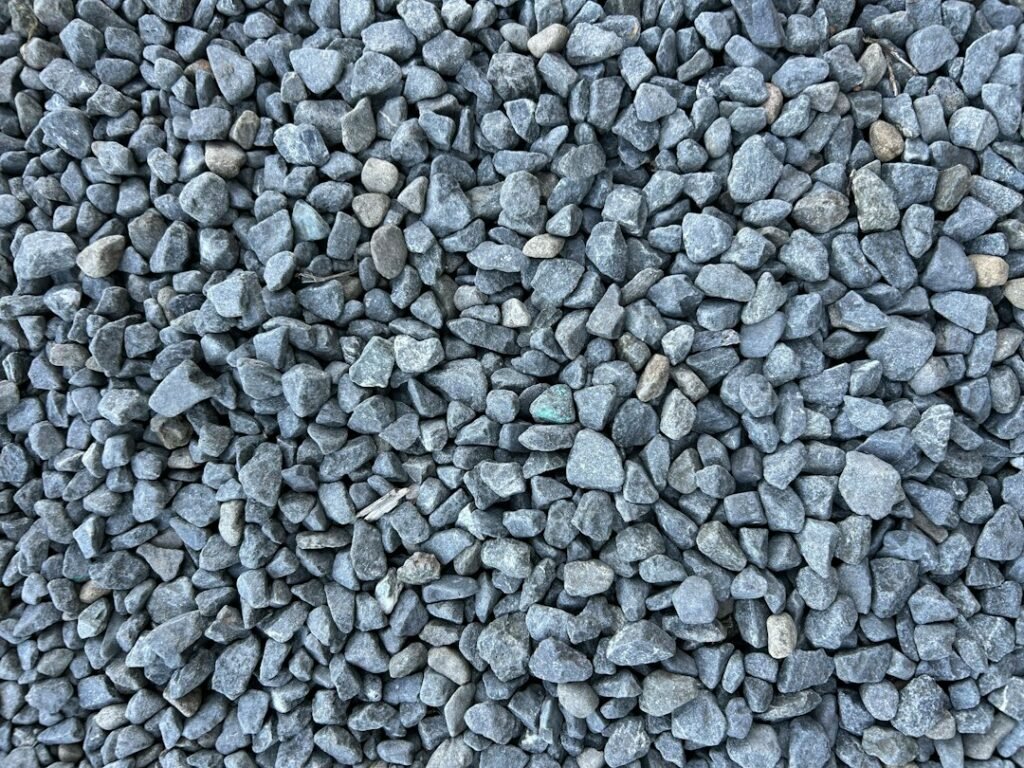
Crushed stone (often graded as #411 or crusher run) consists of angular stones mixed with stone dust. This mixture locks together tightly under compaction, making it the gold standard for driveway bases.
Try Our Free Calculators:
- Provides exceptional weight-bearing strength and stability.
- Resists shifting and rolling under vehicle tires.
- Cost-effective, typically running $32 to $55 per ton.
The trade-off is its industrial appearance and rough texture, which makes it less than ideal for decorative garden paths or barefoot patio areas.
Pea Gravel
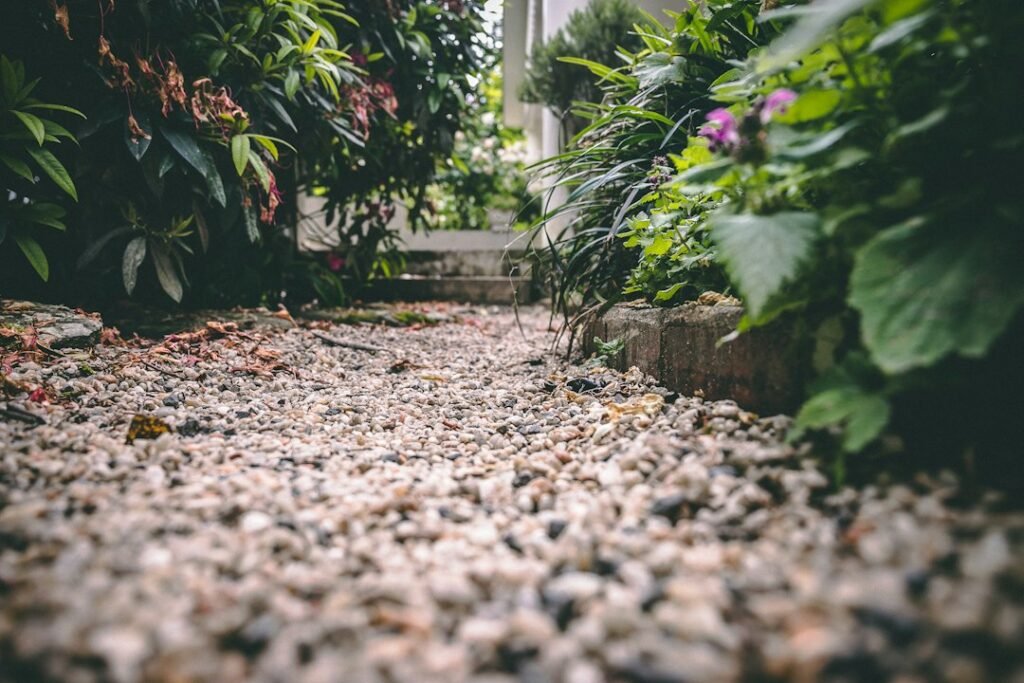
Pea gravel features small, smooth, rounded stones roughly the size of a garden pea. It comes in varied earthy colors and feels comfortable underfoot.
- Aesthetically pleasing for walkways, playgrounds, and flower beds.
- Comfortable to walk on barefoot.
- Generally priced between $40 and $80 per ton.
Because the stones are smooth and rounded, pea gravel never truly compacts. It shifts constantly when driven over or walked on, making it a poor choice for primary vehicle driveways.
River Rock
River rock features smooth, water-worn stones ranging from 1 inch to several inches in diameter. It creates a natural, high-end look for landscaping accents and drainage ditches.
- Stunning visual appeal for water features and dry creek beds.
- Durable and resistant to weathering.
- Higher cost, ranging from $50 to $105 per ton.
Like pea gravel, river rock does not lock together and will roll away under heavy loads.
Marble Chips and Specialized Aggregates
Quarried white marble chips sparkle in sunlight and brighten shady garden corners. They provide a striking contrast against green lawns and dark mulch.
- Reflective, bright white appearance enhances curb appeal.
- Keeps weed growth suppressed when laid over heavy fabric.
- Expensive option, running $75 to $150 per ton.
Marble is softer than granite or trap rock and can break down into fine powder under heavy vehicle traffic over time.
| Material Type | Typical Cost Level | Maintenance | Key Considerations |
|---|---|---|---|
| Crushed Stone | Low ($32 – $55/ton) | Low to Moderate | Best for driveways; packs down firmly. |
| Pea Gravel | Moderate ($40 – $80/ton) | Moderate | Great for paths; rolls under tires. |
| River Rock | Moderate to High ($50 – $105/ton) | Low | Ideal for drainage and landscaping beds. |
| Marble Chips | High ($75 – $150/ton) | Moderate | Bright aesthetic; soft stone breaks down. |
Regional Price Variations and Quarry Factors
Geography plays a massive role in determining your final aggregate bill. Quarries are not evenly distributed across every region, meaning transportation costs can occasionally exceed the actual cost of the rock itself. Understanding regional supply dynamics ensures you are not caught off guard by unexpected surcharges.
Proximity to Quarries
If your property sits within a short 10-mile radius of a limestone, granite, or trap rock quarry, hauling fees remain minimal. However, rural properties located 40 to 60 miles away from the nearest extraction site face steep trucking surcharges. Hauling companies typically bill by the loaded mile or through flat zonal delivery fees that escalate rapidly outside standard municipal boundaries.
Regional Geology and Stone Availability
Different areas yield different native rock types. In the Midwest and Northeast, crushed limestone is abundant and affordable. In the Mountain West, granite and river stone are readily available, while coastal regions might require specialty barge or long-haul rail delivery for high-grade angular aggregates. Importing exotic colors or specialty materials from out-of-state quarries will inflate your project budget significantly.
Also Read:
- How Much Does a Driveway Cost in 2026? Pricing, Materials, and Installation Guide
- How Much Does a Roof Cost in 2026? Pricing, Materials, and Labor Breakdown
- How Much Does a Fence Cost in 2026? National Pricing & Installation Guide
- How Much Does a Concrete Patio Cost in 2026? Pricing, Labor & Materials
What Makes Up the Total Cost of a Gravel Project?

The sticker price of stone at the quarry is only part of your project budget. Several operational factors influence the final invoice you receive from a supplier or contractor.
Delivery and Hauling Fees
Quarries usually charge a delivery fee based on mileage or flat-rate zones. Standard dump truck delivery ranges from $50 to $150 per load if you live within 15 to 20 miles of the quarry. If you require specialized delivery—such as belly-dump trucks, slinger trucks that broadcast stone over a distance, or small split-load deliveries—expect surcharges.
Site Preparation and Excavation
Lumping gravel directly onto topsoil or grass is a recipe for disaster; organic matter rots and mud pushes through. Proper installation requires excavating 4 to 8 inches of topsoil, grading for drainage, and installing a heavy-duty woven geotextile stabilization fabric.
Labor and Equipment Rental
If you hire a contractor, labor rates for excavation, spreading, and rolling average $55 to $125 per hour per worker, or an all-inclusive installed rate of $1.50 to $3.50 per square foot. DIY builders renting a skid steer or vibrating roller can expect equipment rental fees of $250 to $500 per day.
Hidden or Additional Costs to Anticipate
Overrunning your budget usually stems from overlooked site conditions or ancillary materials. Keep these potential expenses in mind during your planning phase:
- Permitting fees: Some municipalities require grading or driveway culvert permits, especially if your project alters natural stormwater runoff patterns.
- Culvert pipe installation: If your driveway crosses a drainage ditch, installing a corrugated metal or plastic culvert pipe costs $500 to $1,500 installed.
- Edging materials: Steel, brick, or plastic landscape edging keeps gravel contained and prevents grass invasion, adding $1.00 to $3.00 per linear foot.
- Sub-base stabilizer: For swampy or weak clay soils, adding a foundational layer of large #1 or #3 surge stone before laying surface gravel adds $15 to $30 per ton.
Step-by-Step Installation Guide and Labor Breakdown
Whether you choose to hire a professional crew or tackle the installation over a long weekend, understanding the mechanical workflow of putting down aggregate ensures long-term durability. Proper sequencing prevents structural failures like rutting, ponding water, and sub-grade migration.
Step 1: Excavation and Box-Out
Mark your project boundaries using wooden stakes and mason string. Excavate the existing sod and topsoil down to a depth of 4 to 8 inches depending on your local soil bearing capacity and expected vehicle weight. Haul away the excavated earth or repurpose it for garden beds elsewhere on your property.
Step 2: Sub-Grade Compacting and Grading
Smooth the raw excavated earth using a rake or grader blade. Compact the bare sub-grade thoroughly using a heavy plate compactor or vibrating roller. Create a slight crown or slope (a 2% grade) across driveways to ensure rainwater sheds efficiently toward side ditches rather than pooling in the center.
Step 3: Laying Geotextile Fabric
Roll out heavy-duty woven geotextile stabilization fabric across the compacted earth. Overlap adjacent seams by at least 12 to 18 inches to prevent weeds from punching through and to stop soft sub-soils from mixing with your clean aggregate base layers.
Step 4: Base Layer and Surface Stone Placement
Spread a 3-inch layer of crushed stone base (#411 crusher run) over the fabric and compact it thoroughly. Next, apply your final decorative or wearing surface stone to a depth of 2 inches, rake it smooth, and perform a final light compaction pass to lock angular stones in place.
Common Mistakes to Avoid When Buying Gravel
Avoiding common installation pitfalls saves you money and prevents premature road failure. Homeowners frequently make preventable errors that shorten the lifespan of their aggregate surfaces.
- Skipping the geotextile fabric. Laying stone directly on dirt guarantees that rain will push mud up through your gravel within months, ruining drainage and appearance.
- Ordering the wrong stone size for traffic. Using smooth pea gravel for a vehicle driveway results in deep ruts and tires spinning helplessly in loose stones.
- Failing to calculate correct depth. Skimping on depth to save money leaves you with thin spots where weed growth thrives and vehicle weight exposes bare earth.
- Neglecting proper drainage design. Ignoring surrounding landscape contours causes water to channel directly down your driveway, washing away expensive stone during heavy storms.
How to Lower the Cost of Your Gravel Project
You can implement several practical strategies to keep your aggregate project affordable without compromising structural integrity.
- Pick up the material yourself. If you own a heavy-duty pickup truck or utility trailer, hauling smaller loads yourself eliminates hefty commercial delivery surcharges.
- Order in a single bulk delivery. Ordering your entire volume at once avoids multiple delivery fees from the quarry.
- Do the prep work yourself. Renting a sod cutter or shovel-clearing the topsoil yourself saves contractors hours of labor charges.
- Cooperate with neighbors. If you and a neighbor both need aggregate, split a full semi-truck load (often 20 to 24 tons) to secure bulk wholesale quarry pricing.
How to Get an Accurate Gravel Estimate
Gathering precise measurements is the foundation of an accurate budget. Before requesting contractor quotes or calling quarries, prepare your project specifications.
Measure the length, width, and desired depth of your project area in feet. Multiply length by width to find your square footage, then multiply by depth (in feet) to find total cubic feet. Divide by 27 to get cubic yards, and multiply cubic yards by 1.4 to estimate total tonnage for standard crushed stone.
Ask potential suppliers specific questions before signing an agreement: Is tailgate spreading included with delivery? What is the maximum distance the dump truck will travel off paved roads? Are taxes and environmental fees included in the per-ton quote?
Long-Term Maintenance and Upkeep Costs
Once your gravel project is completed, ongoing maintenance will be required to preserve its function and appearance. Unlike paved concrete or asphalt, aggregate surfaces shift, thin out over time, and require periodic replenishment to remain safe and smooth.
Routine Raking and Grading
Vehicular traffic and heavy rain naturally displace surface stones toward the edges of driveways and parking pads. Dragging a grading blade behind an ATV or manually pulling stones back into the driving wheel paths twice a year keeps the surface level and prevents potholes from forming.
Top-Off Additions
Every two to four years, most high-traffic gravel driveways require a maintenance top-off layer consisting of two to three tons of fresh aggregate. Budgeting roughly $150 to $300 every few years for maintenance stone ensures your foundation remains robust and prevents the underlying sub-base from eroding away.
Weed and Vegetation Control
Even with geotextile fabric installed underneath, wind-blown seeds and decaying organic matter will eventually sprout weeds and grass along the outer edges and center strip of your gravel area. Applying a non-selective herbicide or utilizing manual hand-pulling twice a season prevents root systems from destabilizing the stone matrix.
Understanding Aggregate Grades and Sizing
When ordering stone from a local supplier, you will encounter various numeric and descriptive grading codes. Knowing what these numbers mean helps you choose the correct material for every phase of your project without relying solely on the salesperson’s recommendation.
- #1 Stone: Extra-large aggregate (typically 2 to 4 inches), used primarily for deep foundation fills in swampy soils or as a coarse drainage layer.
- #3 and #57 Stone: Medium-to-large clean crushed stone (ranging from 0.75 inches to 2 inches) ideal for French drains, septic fields, and decorative landscape borders.
- #411 Stone: A dense graded aggregate mix containing stones ranging from 1.5 inches down to fine stone dust. It packs tight and acts as the industry standard for driveway base layers.
By understanding how these different sizes interact mechanically within a multi-layer installation, you can build a surface that withstands freeze-thaw cycles, heavy rains, and continuous vehicle traffic for decades to come.
Frequently Asked Questions
How many tons of gravel do I need for a 500 square foot driveway?
For a standard 500 square foot driveway at a recommended depth of 4 inches, you will need approximately 7 to 8 tons of crushed stone. This accounts for necessary compaction and settling.
Is it cheaper to buy gravel in bags or in bulk?
Buying gravel in bulk from a local quarry is significantly cheaper. Bulk gravel typically costs $30 to $75 per ton, whereas bagged gravel from home improvement centers can cost $100 to $200 per ton equivalent.
Can I put new gravel directly over my old driveway?
Yes, if the existing base is stable and free of heavy ruts or mud. However, if the old base has degraded, simply adding new stone will cause it to sink into the underlying mud.
What type of gravel is best for a car driveway?
Crushed stone, specifically crusher run or #411 grade gravel, is best for driveways because the angular stones and stone dust lock together tightly under vehicular weight.
Do dump truck drivers spread gravel as they dump it?
Many drivers offer ‘tailgate spreading’ by driving forward slowly while cracking the dump gate. However, this is not a substitute for professional grading and rolling, and drivers can refuse if overhead power lines or soft ground pose hazards.
How often do I need to replenish gravel on a driveway?
Most gravel driveways require a top-up layer of fresh stone every 2 to 3 years to replace aggregate that gets kicked aside, kicked into grass, or pushed down into the sub-base.
How do I calculate how much gravel I need?
Multiply your project length by width in feet to get square footage, multiply by your desired depth in feet, and divide by 27 to get cubic yards. Multiply cubic yards by 1.4 to estimate tonnage for standard crushed stone.
Final Takeaway
Budgeting for gravel requires balancing material quality, delivery logistics, and site preparation. While material costs remain relatively affordable, neglecting sub-base prep or choosing the wrong aggregate type leads to costly repairs down the road.
- Bulk gravel material ranges from $30 to $75 per ton.
- Installed professional driveways cost between $1.50 and $3.50 per square foot.
- Delivery fees and site excavation add significantly to baseline material quotes.
- Always include a 10% to 15% waste and compaction buffer in your calculations.
Before purchasing materials, use our Aggregate Cost Calculator to determine your exact volume and request quotes from multiple local quarries. Note: Prices vary by location, supplier, seasonal demand, and site conditions, and should be verified with local contractors before starting work.