How Much Does Sand Cost in 2026? Prices, Delivery & Calculator

You are planning a landscaping project, building a sandbox, or pouring concrete slabs, and you need to know what to budget for raw materials. So, how much does sand cost in 2026? Understanding the nuances of material pricing is essential before breaking ground on any residential or commercial improvement project.
Bulk sand typically costs between $25 and $60 per cubic yard, while bagged sand runs from $2 to $8 per 50-pound bag. For most standard residential projects, your total sand cost will range from $150 to $500 including delivery, though large landscaping or masonry jobs can easily exceed $1,000 depending on volume, location, and sand variety.
The final price you pay depends heavily on whether you buy bulk or bags, the specific grade of sand required (such as masonry, play, or utility sand), and how far your supplier has to travel for delivery. This guide breaks down exact material pricing, delivery fees, hidden expenses, and smart ways to calculate your total project investment.
How Much Does Sand Cost in 2026?
Need to Know How Much Sand to Buy?
Stop guessing your material quantities! Use our free Sand Calculator to estimate the sand needed for your project and plan your material purchase with greater confidence.
Sand is generally sold in two distinct formats: bagged for small DIY tasks and bulk for larger landscaping or construction efforts. Understanding the baseline price structure prevents you from overpaying at the local home improvement warehouse or stone yard.
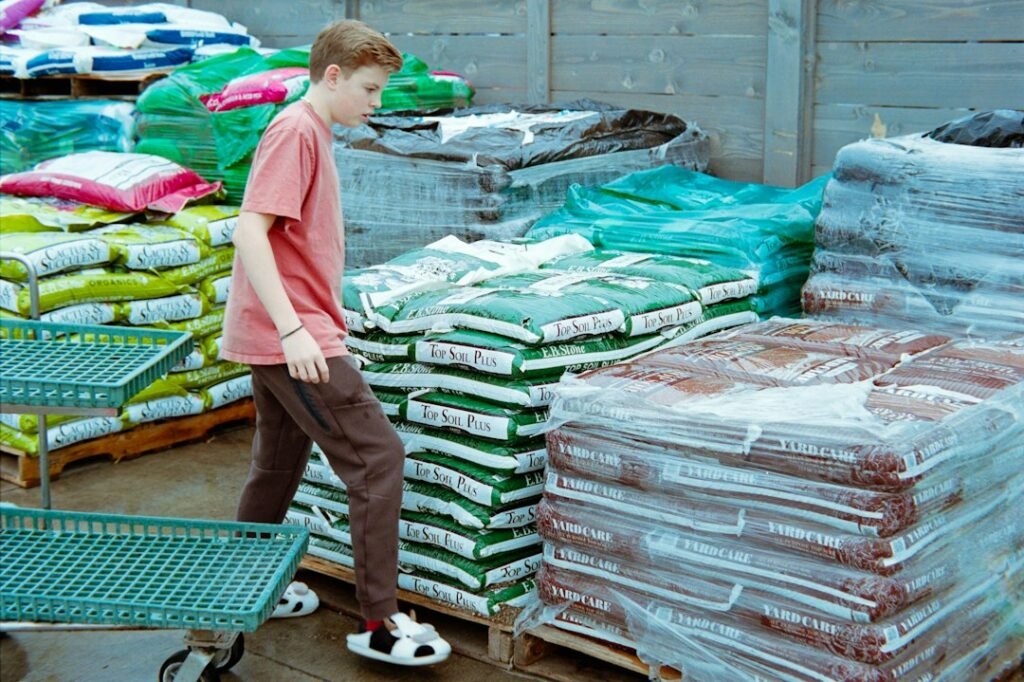
Bagged sand typically comes in 50-pound bags. If you purchase individual bags, you will pay roughly $2 to $8 per bag, which translates to about $80 to $320 per cubic yard. Buying in bulk by the cubic yard drops the material cost significantly to $25 to $60, but requires a truck or a delivery service.
| Purchase Type | Unit Size | Estimated Cost Range | Cost Per Cubic Yard Equivalent |
|---|---|---|---|
| Bagged Sand | 50 lb bag | $2.00 – $8.00 | $80.00 – $320.00 |
| Bulk Sand | 1 cubic yard | $25.00 – $60.00 | $25.00 – $60.00 |
| Bulk Sand (Half Yard) | 0.5 cubic yard | $20.00 – $40.00 | $40.00 – $80.00 |
| Tonne (Super Sack) | 2,000 lbs | $45.00 – $90.00 | $65.00 – $125.00 |
These figures represent baseline planning estimates for standard sand types. Your local supplier may charge slightly more or less based on regional quarry availability and fuel surcharges.
Sand Cost by Type and Application
Not all sand is created equal. Using the wrong variety for your project can lead to structural failure or poor drainage. Here is how pricing breaks down across the most common sand varieties.
Try Our Free Calculators:
Masonry Sand
Masonry sand is finely screened and washed, making it smooth and uniform. Contractors use it primarily for mixing mortar, laying brick or stone, and setting paver bases. It costs about $35 to $65 per cubic yard in bulk or $4 to $8 per bag. The advantage is a clean, consistent texture that prevents gaps in mortar joints, though it is more expensive than utility fill sand.
Play Sand
Play sand is heavily washed, sifted to remove sharp debris, and certified non-toxic for children’s sandboxes. You will typically buy play sand in bags costing $3 to $7 for a 50-pound bag, or $45 to $75 per cubic yard if sourced in bulk. The primary benefit is safety and softness, but it requires frequent replenishment as it gets tracked out of the play area.
Concrete Sand
Concrete sand features coarse, sharp grains that interlock tightly when mixed with cement, gravel, and water. Bulk prices run from $25 to $50 per cubic yard. It provides exceptional structural strength for concrete pours, but it is much too rough and abrasive for playgrounds or leveling above liners.
Fill Sand
Fill sand is unwashed, unsorted dirt and sand mixture used for deep filling, raising elevations, or stabilizing foundations. It is the cheapest option available, usually costing just $15 to $30 per cubic yard in bulk. While it saves money on large grading jobs, it contains rocks and organic matter and cannot be used for visible landscaping or finishing layers.
To estimate your total material volume accurately before ordering, you can use our Sand Calculator to determine exact cubic yard requirements based on your dimensions.
| Sand Type | Typical Cost Level | Maintenance | Key Considerations |
|---|---|---|---|
| Masonry Sand | Moderate ($35-$65/cu. yd.) | Low | Uniform grain; ideal for mortar and pavers |
| Play Sand | Moderate-High ($45-$75/cu. yd.) | High (Refill needed) | Washed, safe for kids, tracked everywhere |
| Concrete Sand | Moderate ($25-$50/cu. yd.) | Low | Coarse texture; essential for structural concrete |
| Fill Sand | Low ($15-$30/cu. yd.) | Low | Unwashed; for deep structural filling only |
Bulk Sand vs. Bagged Sand Cost Comparison

Choosing between bulk delivery and bagged sand comes down to your project scale and physical access to the work area. For anything larger than a couple of wheelbarrows, bulk is far more economical.
Consider a project requiring 3 cubic yards of sand (roughly 120 bags of 50-pound sand). Buying individual bags at $5 each would cost you $600 in material alone, plus the immense physical labor of loading, transporting, and unloading dozens of heavy bags. Ordering 3 cubic yards in bulk at $40 per yard costs just $120, though you will need to factor in a delivery fee.
If your project site is located in a tight urban backyard where a dump truck cannot access, bagged sand or renting a Georgia buggy may be your only choices. For general landscaping and paver installations, using our Aggregate Calculator alongside our Sand Calculator helps determine the most cost-effective procurement strategy.
Also Read:
Delivery Fees and Transport Costs
Very few homeowners have a truck large enough to haul bulk sand by the cubic yard. Most landscape supply yards deliver using dump trucks, which introduces separate delivery fees.
Standard delivery fees range from $50 to $150 for local drops within 10 to 15 miles of the quarry or yard. If you live further out, suppliers often charge an additional per-mile fee or require a higher minimum order size. Many yards also enforce a minimum delivery volume—often 1 or 2 cubic yards—meaning if you only need a quarter-yard, you will still pay for the full minimum or face a hefty short-load fee.
When the dump truck arrives, the driver will perform either a tailgate spread or a single pile drop. A tailgate spread involves cracking the truck’s tailgate slightly while moving forward to lay down a ribbon of sand, saving you some shoveling time.
What Makes Up the Total Sand Cost?

Breaking down your sand quote reveals several distinct cost components that influence your final bill.
Material Grade and Quality
Cleaned, washed, and certified sands cost more to produce than raw excavated pit sand. If you need specialized sand like silica sand for turf infill or polymeric sand for stone joints, expect prices to multiply significantly.
Volume and Quantity Discounts
Quarries and landscape yards reward high-volume purchases. Buying a single yard carries a higher unit rate than ordering 10 or 20 yards for a major subdivision or commercial grading project.
Labor and Installation
If you hire professionals to haul, grade, compact, and screed the sand, labor will form the largest part of your invoice. Professional landscaping labor typically runs $50 to $100 per hour per worker, depending on your region and the complexity of the site prep.
Hidden and Additional Costs to Anticipate
Budgeting only for the sand itself is a common mistake that leads to cost overruns. Keep these auxiliary expenses in mind:
- Tax and Environmental Fees: Local sales taxes and regional aggregate quarry taxes often add 5% to 10% to your bill.
- Spillage and Waste Allowance: Always order 10% to 15% extra sand to account for spillage, settling, and compaction during installation.
- Equipment Rental: Renting a plate compactor or a motorized wheelbarrow costs $75 to $150 per day, which is necessary for proper paver base compaction.
- Geotextile Fabric: Placing a weed barrier fabric under your sand layer costs around $0.15 to $0.30 per square foot.
How to Lower the Cost of Your Sand Project
You can keep your project budget under control by following a few practical cost-saving strategies.
- Pick up the material yourself. If you own a heavy-duty pickup truck or utility trailer and only need a half-yard or less, hauling it yourself eliminates delivery and short-load fees entirely.
- Buy in bulk instead of bags. For projects requiring more than ten bags, switching to bulk delivery cuts material costs by half or more.
- Compare local quarries. Call two or three regional suppliers or landscaping yards to compare delivery radiuses and cubic yard rates before committing.
- Accurately calculate your volume. Avoid ordering too much excess material by double-checking your measurements and accounting for proper compaction rates.
How to Get an Accurate Sand Estimate
To receive reliable pricing from local suppliers or contractors, gather your project details before making phone calls.
Measure the length, width, and desired depth of your area in feet. Multiply length by width to find your square footage, then multiply by depth in feet and divide by 27 to get total cubic yards. When calling suppliers, ask clearly: What is the per-yard price? What is the delivery fee for my zip code? Is there a minimum load fee? Do you offer tailgate spreading?
Step-by-Step Guide to Calculating Sand Requirements
Calculating the correct amount of sand prevents costly shortages and prevents excess waste. Follow this step-by-step framework to determine your exact material needs:
- Measure the Dimensions: Use a tape measure to determine the length and width of the project area in feet.
- Determine the Depth: Decide how thick the sand layer needs to be, measured in inches. For example, a paver base typically requires 1 inch of bedding sand, while a sandbox requires 12 inches of depth.
- Convert Depth to Feet: Divide your depth in inches by 12. A 2-inch depth becomes 0.167 feet.
- Calculate Cubic Feet: Multiply Length x Width x Depth (in feet). If your area is 10 feet by 10 feet and 2 inches deep (0.167 feet), the total is 16.7 cubic feet.
- Convert to Cubic Yards: Divide the total cubic feet by 27 (since there are 27 cubic feet in a cubic yard). 16.7 divided by 27 gives you approximately 0.62 cubic yards.
- Add a Safety Margin: Multiply your final cubic yardage by 1.10 to add a standard 10% waste and settling buffer.
Common Mistakes to Avoid When Buying and Using Sand
Even experienced DIYers can make errors when purchasing bulk materials. Avoiding these common mistakes saves both time and money:
- Failing to Account for Compaction: Sand settles significantly under weight. If you spread 3 inches of uncompacted sand, it may compress down to 2 inches once tamped down. Always factor in a compaction rate of roughly 10% to 15%.
- Using the Wrong Grade of Sand: Using play sand as a base for a concrete slab or heavy paver walkway will result in shifting because the grains are too fine and rounded. Match the sand type directly to the structural requirement of the project.
- Neglecting Site Access Constraints: Ordering a tri-axle dump truck full of sand without checking overhead power lines, low-hanging tree branches, or fragile concrete driveway pavers can lead to property damage or a refused delivery.
- Underestimating Weight Limits: A standard cubic yard of dry sand weighs approximately 2,600 to 2,700 pounds (about 1.3 tons). Wet sand can weigh over 3,000 pounds per cubic yard. Ensure your vehicle or trailer is rated to handle the payload if you choose self-haul.
Project Cost Breakdown Examples
To give you a better idea of what different projects cost in total, here are three realistic scenarios based on average 2026 pricing.
Scenario 1: Residential Sandbox (DIY Bagged Sand)
You want to fill a backyard sandbox measuring 5 feet by 5 feet to a depth of 1 foot. This requires approximately 25 cubic feet of play sand, which equals about one cubic yard. Choosing to buy individual 50-pound bags (about 40 bags total) at $5 per bag brings your total material cost to $200. Since you transport it in your own SUV, there are no delivery fees.
Scenario 2: Backyard Paver Patio Base (Bulk Delivery)
You are installing a 200-square-foot paver patio requiring a 1-inch layer of masonry bedding sand. This translates to roughly 16.7 cubic feet or 0.62 cubic yards. Because most suppliers have a 1-cubic-yard minimum, you order 1 full yard of masonry sand at $45, plus a local delivery fee of $75. Your total project investment for the sand layer comes to $120 before taxes.
Scenario 3: Large Driveway Grading and Leveling (Bulk Fill Sand)
You need to raise a low-lying section of your property before pouring a concrete slab, requiring 10 cubic yards of fill sand. At $25 per cubic yard, the material totals $250. The supplier charges a $100 delivery fee for a large dump truck load. Factoring in a plate compactor rental at $90 per day, your total sand procurement and prep cost equals $440.
Final Considerations Before Ordering
Planning your sand purchase carefully guarantees that your project goes smoothly from the initial quote to the final sweep. Always double-check your measurements, confirm delivery drop spots with your supplier, and inspect the material upon arrival. By understanding the true cost of sand, delivery logistics, and grading requirements, you can execute your home improvement or landscaping project efficiently and within budget.
Frequently Asked Questions
How many bags of sand equal one cubic yard?
It takes approximately 54 standard 50-pound bags of sand to equal one cubic yard of volume. Because bagged sand costs significantly more per pound than bulk material, buying by the bag is only practical for very small projects.
What type of sand should I use under pavers?
Masonry sand or coarse concrete sand is ideal for laying underneath pavers because it compacts well and drains efficiently. Avoid using fine play sand or dirt-heavy fill sand for paver bases.
Does delivery cost extra when buying bulk sand?
Yes, most suppliers charge a separate delivery fee ranging from $50 to $150 depending on your distance from the quarry. Some yards also enforce a minimum order quantity or a short-load fee if you order less than one or two cubic yards.
How much does a 50 lb bag of sand cost?
A standard 50-pound bag of sand typically costs between $2 and $8 at home improvement centers. Specialized sands like polymeric sand or kiln-dried sand will cost considerably more per bag.
How do I calculate how much sand I need?
To calculate cubic yards, multiply your project’s length in feet by its width in feet, then multiply by the depth in feet. Divide that final number by 27. Always order an extra 10% to 15% to account for settling and waste.
Can I use play sand for mixing concrete?
It is not recommended to use play sand for structural concrete. Play sand lacks the rough, angular grain structure required to interlock with cement and gravel, which results in a weaker concrete mix.
Final Takeaway
Budgeting for sand requires balancing material grade, quantity, and delivery logistics to keep your project expenses under control.
- Bulk sand costs $25 to $60 per cubic yard, while bagged sand runs $2 to $8 per 50 lb bag.
- Delivery fees generally add $50 to $150 to your total bill depending on distance and order size.
- Always order 10% to 15% extra material to cover compaction and waste.
By accurately calculating your volume and comparing local suppliers, you can avoid unexpected expenses. For a quick preliminary estimate, use BuildCost.online’s Sand Cost Calculator before requesting local quotes.
Estimates vary by location, supplier and site conditions and should be verified locally.


Pingback: How Much Does a Paver Patio Cost in 2026? | Price Guide