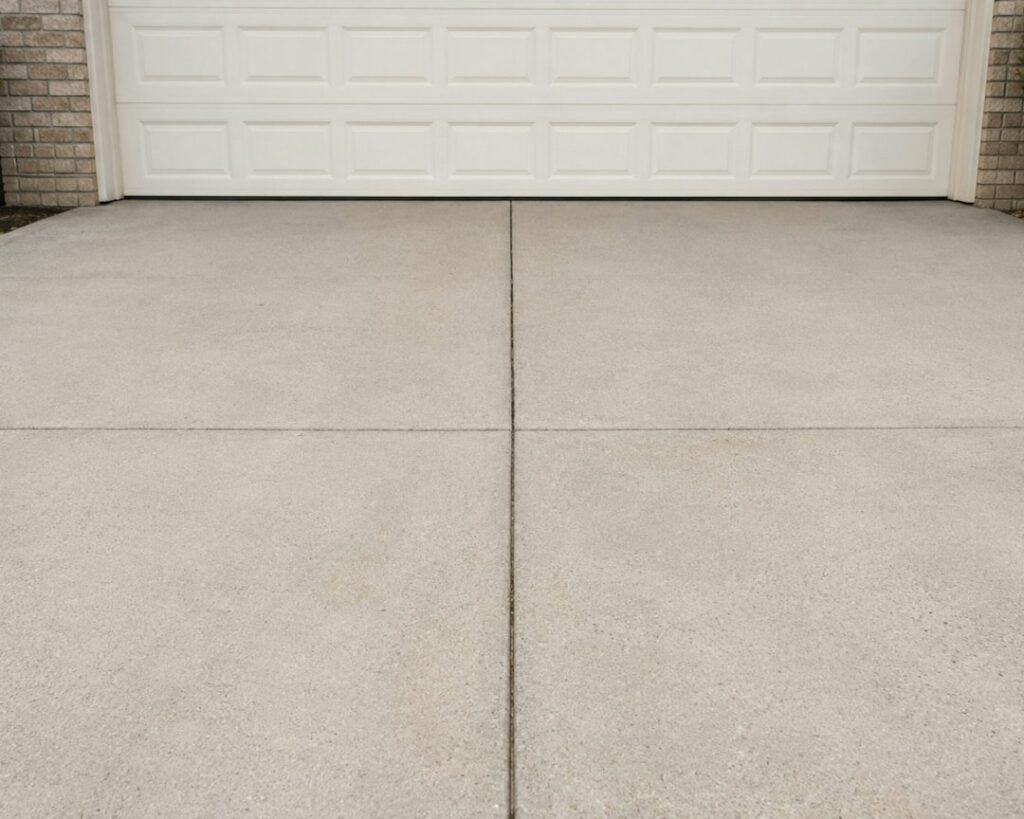
You are looking at your cracked, old asphalt or dirt parking pad, wondering how much it will take to rip it out and pour a fresh, durable slab. So, how much does a concrete driveway cost in 2026?
A typical concrete driveway costs between $2,400 and $9,000 for a standard 600-square-foot two-car layout, with most homeowners spending around $5,000 to $6,500. On a per-square-foot basis, you can expect to pay anywhere from $4 to $15 fully installed, depending on site prep, thickness, finishes, and local labor rates.
Pricing fluctuates based on the complexity of your terrain, whether you need old asphalt removed, and if you choose decorative elements like stamping or coloring. Read on to break down every single cost factor so you can budget accurately for your upcoming project without any surprise expenses.
How Much Does a Concrete Driveway Cost in 2026?

Planning a new driveway requires looking at more than just the raw material price. When you calculate overall expenses, you must account for excavation, base rock, reinforcing steel or wire mesh, pouring, finishing, and curing. For quick preliminary numbers, you can use our Concrete Driveway Cost Calculator to estimate your total out-of-pocket range.
Standard gray broom-finish concrete sits on the lower end of the pricing spectrum, while decorative options push total expenses higher. The following planning table outlines estimated costs by standard driveway sizes for a basic 4-inch-thick slab with standard sub-base preparation.
| Driveway Size (Square Feet) | Estimated Cost Range | Cost per Square Foot |
|---|---|---|
| 400 sq ft (1-car, small) | $1,800 – $4,400 | $4.50 – $11.00 |
| 600 sq ft (2-car, standard) | $2,700 – $6,600 | $4.50 – $11.00 |
| 800 sq ft (2-car, large) | $3,600 – $8,800 | $4.50 – $11.00 |
| 1,000 sq ft (3-car / extended) | $4,500 – $11,500 | $4.50 – $11.00 |
| 1,200 sq ft (Large estate) | $5,400 – $14,000 | $4.50 – $11.00 |
Estimated Concrete Driveway Cost by Size
Chart note: Estimated total cost ranges for standard residential concrete driveways based on square footage.
These figures are planning estimates rather than guaranteed contractor bids. Local labor shortages, fuel surcharges, and steep terrain can easily push your project toward the higher end of the range.
Understanding Concrete Driveway Costs Per Square Foot
Unit pricing provides a helpful baseline, but it is primarily a comparative tool rather than a final price tag. To see how these numbers play out in reality, consider a standard calculation: for a 600-square-foot standard driveway at $8 per square foot installed, the math is 600 x $8 = $4,800 total.
Before signing any contract, make sure you know what is included in that per-square-foot rate. Ask specifically whether the quote includes:
- Demolition and hauling away of your old driveway
- Excavation and grading of the sub-grade
- Installation of compacted crushed stone base
- Wire mesh or rebar reinforcement
- Forms, pouring, finishing, and control joint cutting
- Application of a concrete sealer
- Permits and local municipal fees
If a contractor’s per-square-foot bid seems unusually low, they may be skipping the crushed stone base or using a sub-standard concrete mix thickness, which leads to premature cracking under vehicle weight.
Driveway Costs by Size and Layout
Size directly dictates material volume and labor hours, but the shape of your driveway matters just as much. Straight, rectangular layouts require minimal setup and formwork, keeping labor efficient. Curved paths, circular turnarounds, or sloped approaches require custom framing and additional finishing labor.
When calculating volume for thicker slabs—such as a 6-inch reinforced pad designed to park heavy trucks or RVs—you will need significantly more cubic yards of concrete mix. You can check your exact volume requirements using our Concrete Slab Cost Calculator before requesting bids from local ready-mix suppliers.
| Project Scale | Typical Square Footage | Average Total Cost |
|---|---|---|
| Small Single Car | 300 – 400 sq ft | $1,500 – $4,000 |
| Standard Two Car | 500 – 700 sq ft | $2,500 – $7,000 |
| Large Two-Car / Extended | 800 – 1,000 sq ft | $4,000 – $10,500 |
| Circular / Custom Layout | 1,200+ sq ft | $6,000 – $18,000+ |
Concrete Driveway Options and Finishes

The finish you select transforms the look of your entryway and changes the final price tag significantly. While plain gray concrete is functional, modern homeowners often choose decorative treatments to complement their home’s exterior design.
Standard Broom Finish
A standard broom finish is the most common and cost-effective option available. Workers sweep a broom across the wet concrete surface to create fine textured ridges that provide slip resistance, especially in wet or freezing weather.
Try Our Free Calculators:
- Lowest upfront material and labor cost
- Exceptional traction for vehicles and foot traffic
- Simple to clean and maintain over decades
The trade-off is simple aesthetics; a plain gray slab lacks architectural character.
Stamped Concrete
Stamped concrete uses flexible polyurethane mats pressed into wet concrete to mimic natural stone, slate, cobblestone, or brick pavers. It elevates curb appeal dramatically but requires skilled artisan labor.
- High-end appearance mimicking expensive natural stone
- Countless pattern and color combinations
- Sturdy monolithic slab construction compared to loose pavers
The primary drawback is cost—stamped concrete often runs $12 to $25 per square foot—and it can become slicker when wet unless a non-slip additive is mixed into the final sealer.
Stained and Colored Concrete
Color can be integrated directly into the truck mix using pigments or applied afterward with acid or water-based stains. This creates earthy tones, rich browns, or vibrant hues that blend with your landscape.
- Customizable appearance to match exterior paint and trim
- Resistant to fading when high-grade UV sealers are applied
- Mid-range pricing compared to complex stamping
Keep in mind that stained surfaces require periodic resealing every two to three years to maintain their rich color depth.
Exposed Aggregate
Exposed aggregate involves washing away the top layer of cement paste right after the pour to reveal colorful decorative stones, quartz, or pebbles embedded in the surface.
- Unique, natural textured finish with great slip resistance
- Highly durable surface that hides minor dirt and tire marks
- No need for artificial coloring agents
The main challenge is that rough textures can be difficult to shovel snow off during winter months compared to smooth broom-finished slabs.
| Material / Finish Type | Typical Cost Level | Maintenance | Key Considerations |
|---|---|---|---|
| Standard Broom | Low ($4 – $8 / sq ft) | Low | Functional, utilitarian look |
| Exposed Aggregate | Medium ($7 – $14 / sq ft) | Low to Moderate | Great traction, harder to shovel snow |
| Colored / Stained | Medium ($8 – $15 / sq ft) | Moderate | Requires periodic resealing |
| Stamped Concrete | High ($12 – $25 / sq ft) | Moderate | High curb appeal, slippery when wet |
What Makes Up the Cost of a Concrete Driveway?
Understanding where your money goes helps you identify areas to save without cutting structural corners. A professional concrete installation breaks down into several distinct cost components.
Materials and Concrete Mix
Ready-mix concrete is sold by the cubic yard. Standard mixes use a 3,500 to 4,000 PSI strength rating for residential driveways to withstand vehicle loads safely. Air-entrained mixes are essential in northern climates to prevent freeze-thaw cracking.
Labor and Crew Rates
Crew size typically ranges from three to five experienced masons. Labor accounts for roughly 50% to 60% of your total project quote, covering grading, form building, pouring, screeding, floating, stamping, and cutting control joints.
Site Prep and Excavation
If your yard slopes or has poor soil bearing capacity, extensive excavation is required. Crews must haul away soil, grade the earth for proper drainage away from your foundation, and lay down a 4-to-6-inch compacted gravel sub-base.
Reinforcement Materials
Never pour a driveway without reinforcement. Welded wire mesh or #3 / #4 steel rebar grids tie the slab together, distributing vehicle weight and minimizing major structural cracking.
Also Read:
- Flooring Cost Calculator Guide: 2026 Price Estimates per Square Foot
- Concrete vs Asphalt vs Pavers: Driveway Cost Comparison (2026)
- Driveway Cost Calculator Guide: 2026 Material & Installation Prices
- How Much Does a Driveway Cost in 2026? Pricing, Materials, and Installation Guide
- House Construction Cost Per Square Foot: 2026 Guide
Site Preparation and Demolition Costs

If you are replacing an existing asphalt or cracked concrete driveway, demolition is your first major expense. Breaking up old concrete, loading it into dumpsters, and hauling it to a recycling facility typically costs an extra $2 to $5 per square foot.
Proper sub-grade compaction is vital. If soil is overly spongy or clay-heavy, contractors may need to dig deeper, remove expansive dirt, and import structural fill stone. Skipping this step leads to settling and premature slab failure within the first few winters.
Permits, Codes, and Zoning Requirements
Most municipal building departments require a permit for new driveway installations or expansions, particularly where the driveway connects to a public sidewalk or municipal right-of-way. Permit fees generally range from $50 to $200.
Local codes often dictate maximum driveway width at the property line, set-backs from neighboring parcels, and requirements for stormwater runoff management. Always check with your local zoning office before breaking ground to avoid costly fines or forced removal.
Illustrative Cost Scenario for a Standard Driveway
To see how these costs combine in a real-world scenario, examine this illustrative breakdown for replacing a standard 600-square-foot residential concrete driveway with a 4-inch broom-finish slab over compacted gravel.
| Project Component | Estimated Cost |
|---|---|
| Old Asphalt Demolition & Hauling | $1,800 |
| Excavation, Grading & Gravel Base | $1,200 |
| Concrete Materials (9 Cubic Yards @ $160/cu yd) | $1,440 |
| Steel Rebar Reinforcement Grid | $400 |
| Labor (Forming, Pouring, Finishing) | $2,500 |
| Permits & Disposal Fees | $160 |
| Total Estimated Project Cost | $7,500 |
Hidden or Additional Costs to Anticipate
Even detailed quotes can leave out certain site-specific challenges. Keep an eye out for these potential extras:
- Poor soil conditions: Expansive clay or wet soils require stabilization fabrics or deeper excavation.
- Utility line relocation: Striking underground gas, water, or fiber lines halts work and incurs utility repair bills.
- Difficult access: If concrete trucks cannot reach your yard, you may need a concrete pump truck rental ($600 to $1,200 extra).
- Haul-away surcharges: Heavy old concrete disposal fees spike if local landfills charge high tipping rates.
- Weather delays: Sudden rainstorms can ruin a fresh pour, forcing contractors to tear out and repour the slab at additional cost.
Common Mistakes to Avoid

Avoiding critical errors during planning and pouring protects your investment for decades to come.
- Skipping the sub-base: Pouring concrete directly onto bare dirt without a compacted gravel layer invites settling and cracking.
- Using too much water: Adding excess water to the concrete truck mix makes pouring easier on workers but drastically reduces the final PSI strength of the slab.
- Forgetting control joints: Concrete naturally shrinks as it cures. Without properly spaced saw-cut control joints, random, unsightly cracks will form.
- Rushing the cure time: Driving heavy vehicles on a new slab too early causes structural fractures. Wait at least 7 days for light traffic and 28 days for full compressive strength.
- Neglecting drainage: A driveway sloping toward your garage or home foundation causes severe basement water intrusion problems.
How to Lower the Cost of Your Driveway Project

Smart planning helps manage your expenses without compromising structural integrity or visual appeal.
- Keep the shape simple. Rectangular layouts minimize custom formwork and reduce intensive hand-finishing labor hours.
- Handle demolition yourself. Renting a skid steer or breaking up old asphalt manually saves substantial contractor labor fees if you can haul the debris away.
- Get multiple bids. Collect at least three detailed quotes from licensed, insured local concrete contractors to compare pricing and scope of work.
- Combine projects. If you also need a backyard patio or walkway poured, schedule them simultaneously to negotiate bulk material and labor discounts.
- Choose standard finishes. Stick with a clean broom finish instead of elaborate stamped patterns or acid stains to cut material costs in half.
How to Get an Accurate Concrete Driveway Estimate
Gathering precise information before calling contractors ensures you receive accurate, apples-to-apples bids. Measure your exact length and width to calculate square footage, and note any slope or drainage issues on your property.
When talking to contractors, ask for itemized bids that separate demolition, sub-base prep, concrete thickness, reinforcement type, and finishing costs. Verify that the contractor is fully licensed and bonded in your state, and ask to see photos of recent driveways they have poured in your neighborhood.
Factors Influencing Long-Term Driveway Durability
When investing in a concrete driveway, looking beyond the initial installation cost ensures you achieve a strong return on investment. The long-term lifespan of a concrete slab depends heavily on environmental exposure, vehicular load management, and proactive maintenance practices.
In regions subject to severe freeze-thaw cycles, sub-base drainage is paramount. If water becomes trapped beneath the slab, expanding ice can heave sections of the concrete, leading to severe cracking and surface spalling. Ensuring your contractor installs a thick, well-draining layer of crushed stone and incorporates air-entrained concrete mixes mitigates these risks effectively.
Furthermore, managing the weight load on your driveway during its early life cycle is critical. While passenger cars and light SUVs place minimal stress on a cured 4-inch or 6-inch slab, heavy commercial delivery trucks, dumpsters, or construction equipment can overload standard residential concrete. If you anticipate heavy vehicle traffic, specifying a thicker slab with tighter rebar spacing during the planning phase prevents structural failure.
Proactive Maintenance and Sealing Strategies
Proper maintenance significantly extends the lifespan of your concrete driveway, saving you from premature replacement costs. While concrete is exceptionally durable, it remains porous and vulnerable to moisture infiltration, chemical spills, and staining.
Applying a high-quality penetrating sealer every two to three years creates a protective barrier against deicing salts, fertilizer runoff, motor oil, and freeze-thaw damage. Acrylic, silane, and siloxane sealers are popular choices, each offering varying levels of gloss and moisture protection.
Additionally, keeping expansion and control joints clean and properly caulked prevents water and debris from penetrating beneath the slab. If small hairline cracks do develop over time, addressing them promptly with a flexible concrete caulk or patching compound stops water ingress before it widens the crack during winter freezes.
Comparing Concrete to Alternative Driveway Materials
To put the cost of a concrete driveway into perspective, it helps to compare it against other common paving materials available on the market today. Each material offers distinct advantages and drawbacks in terms of upfront pricing, longevity, and maintenance requirements.
- Asphalt driveways: Generally lower in initial cost ($3 to $7 per square foot), asphalt requires regular sealcoating every few years and tends to soften in extreme summer heat, though it handles freeze-thaw cycles well due to its flexibility.
- Gravel driveways: The most affordable upfront option ($1.50 to $3 per square foot), gravel requires ongoing regrading, weed control, and periodic replenishment of loose stone, making it less ideal for steep slopes or snowy climates where snow blowers catch the stones.
- Paver driveways: Offering unmatched aesthetic versatility and curb appeal, interlocking concrete or stone pavers are the most expensive option ($15 to $30+ per square foot) and require ongoing weeding between joints and occasional re-leveling of shifting stones.
By weighing these alternatives against your climate, budget, and aesthetic preferences, you can make an informed decision on whether concrete is the ideal choice for your home.
Working Effectively with Concrete Subcontractors
Securing a quality concrete installation goes beyond simply finding the lowest bidder. Establishing clear communication and contractual expectations with your chosen contractor ensures the project proceeds smoothly from excavation to final curing.
Always verify that your contractor carries active general liability insurance and workers’ compensation coverage to protect yourself from liability in the event of an injury or property damage on your job site. Request references from previous clients and inspect driveways they installed three to five years ago to evaluate how their work holds up over time.
Review the payment schedule carefully before signing the agreement. Reputable contractors typically require a modest deposit to secure materials and schedule equipment, with progressive payments tied to major milestones like the completion of excavation, pouring, and final inspection. Avoid contractors demanding payment in full prior to breaking ground.
Environmental Considerations and Sustainable Paving
Modern concrete installation increasingly incorporates sustainable building practices to minimize environmental impact and improve stormwater management on residential properties.
Pervious or permeable concrete is an innovative option for eco-conscious homeowners. Unlike traditional impermeable slabs, permeable concrete allows rainwater and melting snow to drain directly through the pavement and into the underlying soil, reducing surface runoff and recharging local groundwater tables.
Additionally, many ready-mix suppliers now incorporate supplementary cementitious materials—such as fly ash or slag—into their concrete mixes. These industrial byproducts reduce the carbon footprint associated with Portland cement production while often enhancing the long-term durability and sulfate resistance of the finished driveway slab.
The Final Verdict on Your Concrete Investment
Installing a concrete driveway is a major home improvement project that substantially enhances your property’s functionality, security, and aesthetic appeal. While the initial investment ranges from several thousand dollars upward depending on square footage, site complexity, and decorative finishes, a properly installed and maintained concrete slab delivers decades of reliable service.
By thoroughly researching local pricing, understanding site preparation requirements, anticipating hidden expenses, and partnering with experienced professionals, you can navigate your driveway replacement project with total confidence and achieve an outstanding result that stands the test of time.
Frequently Asked Questions
How long does a concrete driveway last?
A properly installed and maintained concrete driveway typically lasts between 30 and 40 years. Sealing the surface every few years and avoiding heavy overload vehicles helps maximize its lifespan.
Can I pour a concrete driveway myself?
While DIY pouring is possible for very small pads, pouring a full driveway is physically demanding and time-sensitive. Concrete begins setting within hours, requiring an experienced crew to place, screed, float, and finish before it hardens.
How long do I need to wait before driving on new concrete?
You should stay off a new concrete driveway with vehicles for at least 7 days. Full curing takes up to 28 days, so parking heavy trucks or RVs should be avoided during the first month.
Is concrete better than asphalt for a driveway?
Concrete generally lasts longer, requires less frequent maintenance, and stays cooler in summer sun than asphalt. However, asphalt has a lower upfront cost and is easier to repair or patch over time.
Why do concrete driveways crack?
Concrete naturally shrinks as water evaporates during the curing process. Without correctly spaced saw-cut control joints, a compacted gravel sub-base, and proper reinforcement wire or rebar, random structural cracking is inevitable.
What thickness should a residential concrete driveway be?
Standard residential driveways require a minimum thickness of 4 inches for regular passenger cars. If you frequently park heavy pickup trucks, delivery vans, or RVs on the slab, upgrading the thickness to 5 or 6 inches with heavy rebar is recommended.
Do I need a permit to replace my driveway?
Most local municipalities require a building or right-of-way permit if your driveway connects to a public street or sidewalk. Check with your local city or county building department before starting demolition.
Final Takeaway
Investing in a new concrete driveway instantly boosts your home’s curb appeal while providing a rugged, long-lasting parking surface that outperforms asphalt over decades of heavy use.
- National planning ranges span from $4 to $15 per square foot installed.
- Total project costs typically fall between $2,400 and $9,000 for standard two-car layouts.
- Site prep, demolition, thickness, and decorative finishes are the primary cost drivers.
Before moving forward, utilize BuildCost.online’s Driveway Cost Calculator and Concrete Calculator to scope out your material volume and preliminary budget, then collect at least three written bids from reputable local masonry contractors.
Planning estimates vary by location, supplier, soil conditions, and current labor rates and should be verified with local professionals.