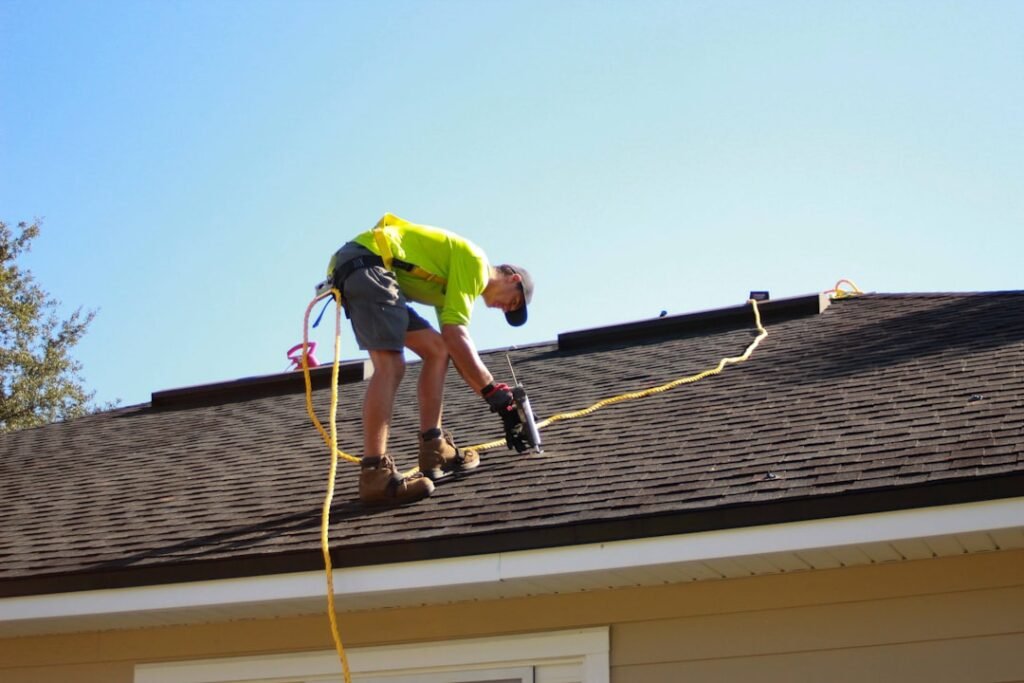
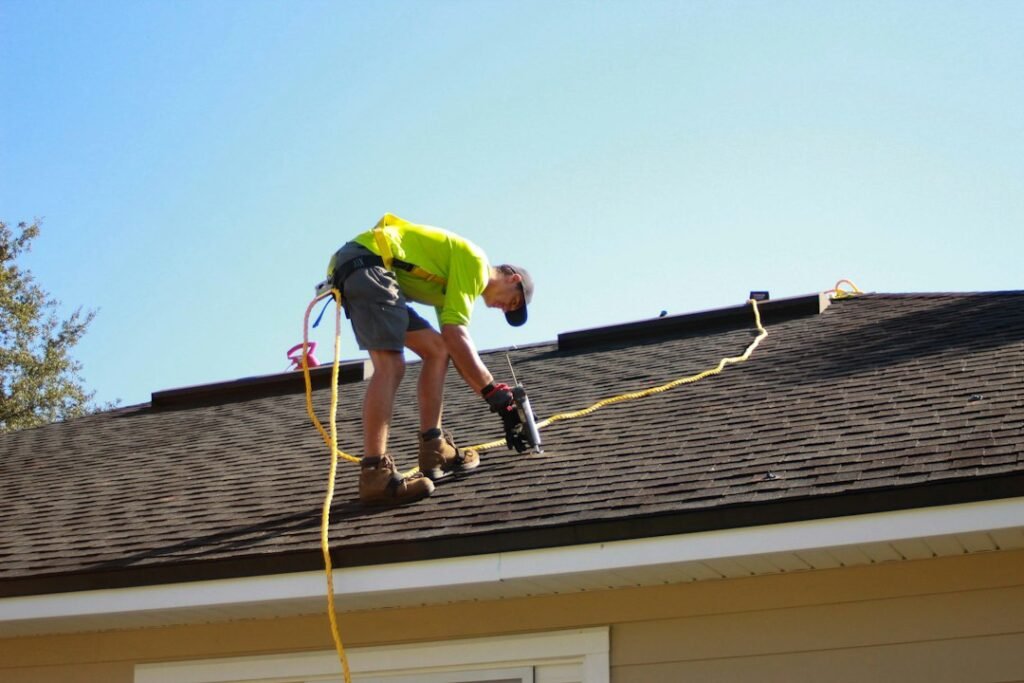
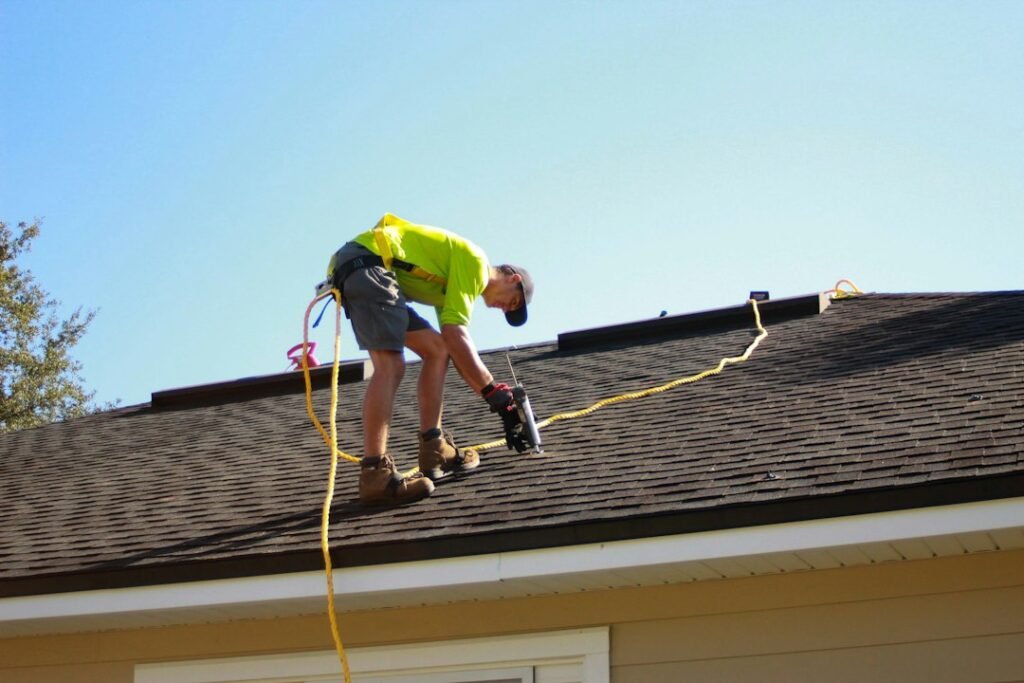
When your roof starts leaking, shedding granules, or sagging noticeably, the first question on your mind is bound to be about the financial hit you are about to take. So, how much does a new roof cost in 2026?
A typical roof replacement cost in the United States between $5,500 and $18,000 for an average-sized single-family home, with most homeowners spending about $11,500. On a per-square-foot basis, expect to pay $4.00 to $12.00 installed for standard materials, though premium options can push totals well past $30,000.
Total project pricing depends heavily on your roof’s square footage, the steepness of your pitch, local labor rates, and the specific material you select. This planning guide breaks down every variable to help you build a realistic budget before you invite contractors out for formal quotes.
How Much Does a New Roof Cost in 2026?

Roofing costs have adjusted upward slightly due to steady increases in manufacturing and transportation expenses. However, basic supply chains have stabilized compared to previous years, making contractor scheduling much more predictable. To help you plan, we have put together standard cost scenarios based on total roof surface area, which is measured in squares (one square equals 100 square feet).
| Roof Size (Sq. Ft. / Squares) | Estimated Cost Range | Average Cost per Sq. Ft. |
|---|---|---|
| 1,500 sq. ft. (15 squares) | $6,000 – $13,500 | $4.00 – $9.00 |
| 2,000 sq. ft. (20 squares) | $8,000 – $18,000 | $4.00 – $9.00 |
| 2,500 sq. ft. (25 squares) | $10,000 – $22,500 | $4.00 – $9.00 |
| 3,000 sq. ft. (30 squares) | $12,000 – $28,000 | $4.00 – $9.00 |
| 3,500 sq. ft. (35 squares) | $14,000 – $33,000 | $4.00 – $9.00 |
Estimated Roof Cost by Size
Chart note: Estimated total replacement costs for standard architectural asphalt shingle roofs.
Keep in mind that these figures represent planning estimates, not guaranteed contractor quotes. If your roof has complex architectural features, multiple valleys, or severe underlying water damage, your actual quote will sit near or above the high end of these ranges.
Understanding Cost per Square Foot and Unit Pricing
Contractors typically price roofing jobs by the square, which equals 100 square feet of inclined roof surface, not your home’s footprint on the ground. For instance, a home with a 2,000-square-foot footprint and a moderate pitch might actually have 2,200 square feet of total roof area due to overhangs and slope angles.
To calculate a basic material and labor baseline, multiply your total square footage by the per-square-foot rate. If you have a 2,000-square-foot roof surface and choose an architectural shingle costing $5.50 per square foot installed, the math looks like this: 2,000 x $5.50 = $11,000. Unit pricing is simply a high-level comparison tool; it does not account for localized structural repairs.
Before signing any contract, ask specifically whether the quote includes:
- Tear-off and disposal of old roofing layers
- Local building permits and inspection fees
- Replacement of rotted plywood decking
- Installation of ice and water shield membrane
- New flashing, drip edge, and ridge vents
Cost Breakdown by Roof Size
Roof size is the most direct driver of overall project expense. Larger surfaces require significantly more raw materials, more dumpsters for debris, and many more man-hours of labor.
Try Our Free Calculators:
| Project Scale | Total Surface Area | Typical Cost Range |
|---|---|---|
| Small Ranch / Cottage | 1,000 to 1,500 sq. ft. | $4,500 – $12,000 |
| Standard Suburban Home | 1,800 to 2,500 sq. ft. | $8,000 – $22,500 |
| Large Two-Story Home | 2,800 to 3,500 sq. ft. | $13,500 – $32,000 |
| Estate / Custom Home | 4,000+ sq. ft. | $20,000 – $55,000+ |
For a preliminary planning estimate, BuildCost.online’s Roof Replacement Cost Calculator can give you a fast, tailored baseline based on your zip code and home dimensions.
Roof Replacement Cost by Material Type
Your choice of material dictates both the upfront aesthetic and the long-term durability of your investment. Different materials also demand specialized labor, which shifts installation pricing dramatically.
Asphalt Shingles
Asphalt shingles remain the most popular roofing material in North America because they offer a reliable balance of affordability and curb appeal. They come in 3-tab and architectural styles.
- Affordable installation and widespread availability
- Straightforward repair process if damaged
- Shorter lifespan compared to metal or tile
Asphalt shingle roofs typically cost between $3.50 and $7.00 per square foot installed, making a standard 2,000-square-foot project run from $7,000 to $14,000.
Metal Roofing

Metal roofing, whether in standing seam panels or stamped metal shingles, provides exceptional wind resistance and longevity.
- Lifespan of 40 to 70 years with minimal upkeep
- High energy efficiency by reflecting solar heat
- Higher upfront investment than asphalt
Expect to pay $9.00 to $16.00 per square foot for corrugated or exposed fastener panels, and $12.00 to $22.00 for standing seam systems. If you want to model these options specifically, use our dedicated Metal Roof Cost Calculator.
Clay and Concrete Tile
Tile roofs deliver a classic Mediterranean or Spanish aesthetic that thrives in hot, arid climates like the American Southwest.
- Incredible durability and fire resistance
- Distinctive architectural look that boosts resale value
- Heavy weight requires reinforced roof framing
Tile installations usually run from $11.00 to $25.00 per square foot installed due to the specialized framing and slow installation speed.
Natural Slate
Natural slate is the pinnacle of luxury roofing, offering unmatched authenticity and a lifespan that can exceed a century.
Also Read:
- Timeless beauty and generational durability
- Requires virtually no maintenance
- Exorbitant material and specialized labor costs
Slate roofs generally range from $22.00 to $45.00 per square foot installed, placing total project costs anywhere from $40,000 to over $90,000 for an average home.
| Roof Material | Typical Cost Level | Maintenance | Key Considerations |
|---|---|---|---|
| Asphalt Shingle | Low to Moderate | Low | Standard lifespan 20-30 years |
| Metal (Standing Seam) | High | Very Low | Lasts 50+ years, excellent in storms |
| Concrete Tile | High | Low | Very heavy, check framing limits |
| Natural Slate | Very High | Low | Lasts 100+ years, fragile under foot traffic |
What Makes Up the Total Cost of a New Roof?

When you examine a professional roofing quote, you are paying for several distinct components beyond just the visible shingles.
Labor Expenses
Labor typically accounts for 40% to 60% of your total roofing invoice. Crews charge more in high-cost-of-living metropolitan areas or when working on steep, multi-story roofs that require extensive safety scaffolding.
Underlayment and Decking
Underlayment provides a critical secondary waterproof barrier beneath your outer shingles. Synthetic underlayment and high-temperature ice and water shield add $1.00 to $3.00 per square foot.
Flashing and Ventilation
Metal flashing around chimneys, skylights, and valleys prevents water infiltration. Ridge vents and soffit vents keep air circulating to prevent moisture buildup in your attic.
Hidden or Additional Costs to Anticipate
Unforeseen surprises can quickly bloat a roofing budget if you do not plan for them ahead of time. Always set aside a 15% contingency fund.
- Rotted wood decking: If old leaks rotted your plywood roof deck, replacing damaged sheets costs $50 to $100 per 4×8 sheet including labor.
- Chimney masonry repairs: Crumbled mortar crowns or damaged brickwork around chimneys often need rebuilding while the roof is open.
- Permit and disposal fees: Local building departments charge $100 to $500 for permits, and dumpster rental for shingle tear-off runs $400 to $800.
- Complex roof architecture: Multiple dormers, steep pitches over 7:12, and complex valleys require extra safety gear and slower, painstaking labor.
Common Mistakes to Avoid During Roof Replacement
Homeowners often make costly errors when rushing into a roofing contract. Keep these pitfalls in mind:
- Choosing the lowest bidder blindly: Bids that come in thousands below market average usually indicate uninsured labor, substandard materials, or skipped underlayment steps.
- Skipping the complete tear-off: Nailing a second layer of shingles over old ones hides underlying deck rot, traps heat, and voids manufacturer warranties.
- Ignoring attic ventilation: Failing to balance intake and exhaust vents can cause premature shingle blistering and ice dams in winter.
- Failing to verify warranties: Make sure you receive both a manufacturer material warranty and a workmanship warranty from the contractor in writing.
How to Lower the Cost of Your Roof Replacement

Roofing is an expensive necessity, but strategic choices can keep your spending manageable.
- Schedule during the off-season: Contractors in northern climates often offer slight discounts during late fall or early winter before the busy spring rush.
- Choose standard asphalt shingles: Selecting a classic 3-tab or standard architectural shingle in a neutral color keeps material costs at a minimum.
- Clear your property ahead of time: Moving patio furniture, trimming low tree branches, and giving crews clear driveway access saves them hours of prep time.
- Get multiple quotes: Compare at least three detailed itemized bids from licensed local roofing contractors to ensure fair market pricing.
Step-by-Step Overview of the Roof Replacement Process
Understanding the actual workflow of a roof replacement helps you prepare your household for the noise, debris, and disruption. A standard residential installation typically spans two to four days depending on the weather and the crew size. Here is the sequential breakdown of how professional roofers execute the job:
- Initial Site Protection: Crews lay down plywood sheets over delicate landscaping, flower beds, and exterior air conditioning units, and position a large roll-off dumpster in the driveway.
- Tear-Off and Cleanup: Workers strip away every layer of old shingles down to the bare wooden decking, pitching debris directly into the dumpster.
- Deck Inspection and Repair: Once the roof is completely bare, the foreman inspects every sheet of plywood or plank for water damage, soft spots, or mold, replacing compromised wood immediately.
- Underlayment Installation: Workers roll out high-performance synthetic underlayment across the entire deck, sealing valleys and eave edges with self-adhered ice and water shield.
- Flashing and Drip Edge Placement: New aluminum or galvanized steel drip edges are nailed along all rakes and eaves, followed by flashing installations around chimneys, vent pipes, and wall junctions.
- Shingle Course Application: The installation crew snaps chalk lines and begins nailing shingles from the bottom eaves upward, using precise fastener placement to satisfy manufacturer wind warranties.
- Ridge Cap and Vent Installation: Specially cut ridge caps are installed along the peak of the roof, integrating continuous ridge ventilation for optimal attic airflow.
- Final Magnet Sweep and Inspection: The crew sweeps magnetic rollers across your lawn and driveway to collect stray roofing nails, conducts a thorough cleanup, and performs a final quality walk-through with the homeowner.
Geographic Variances and Regional Labor Factors
Where your home is located physically plays a massive role in final pricing. Labor costs fluctuate wildly across different regions of the country. In major metropolitan areas with high costs of living, such as New York, San Francisco, or Boston, labor rates can easily double or triple compared to rural areas in the Midwest or the Deep South. Furthermore, regional weather risks require specific building code compliance that alters material requirements. Coastal properties in hurricane-prone zones like Florida and the Gulf Coast mandate high-wind rated shingles, secondary water barriers, and impact-resistant fasteners, which add 15% to 30% to baseline material expenses. Conversely, northern homes facing heavy winter snow loads require robust ice dam prevention systems and heavy-duty valley metal to withstand freeze-thaw cycles. Factoring in your local climate ensures your chosen materials meet regional building codes without unexpected budget overruns.
How to Get an Accurate Roof Estimate
Gathering precise project specs empowers you to evaluate contractor bids effectively. Before requesting consultations, measure your home’s perimeter and note your roof’s general pitch. When contractors arrive, ask to see their state license, proof of general liability insurance, and worker’s compensation certificates. Check online reviews and request references from recent local jobs. For a preliminary planning estimate, BuildCost.online’s Roof Replacement Cost Calculator can help you establish a realistic budget before talking to local pros.
Detailed Project Planning and Timeline Management
Proper planning ensures your roof replacement project proceeds without unnecessary delays or unexpected stressors. Establishing a clear timeline with your contractor helps align expectations regarding weather windows, material deliveries, and daily work hours. Most residential roof replacements are completed within a few days once physical work begins, but the overall project timeline spans several weeks from the initial inspection to the final municipal building sign-off.
Creating a structured planning calendar prevents last-minute scrambles and keeps your household functioning smoothly during construction. Consider the following scheduling milestones when preparing for your new roof:
- Weeks 1-2: Research local roofing companies, review licensing credentials, and gather at least three comprehensive written estimates.
- Week 3: Select your preferred contractor, review contract terms, finalize shingle colors and material upgrades, and sign the formal agreement.
- Week 4: Apply for local building permits, coordinate dumpster drop-off dates, and confirm material delivery schedules with the supplier.
- Days Before Start: Clear vehicles from the driveway, secure loose items in the attic, protect interior wall hangings from vibration shock, and notify immediate neighbors about expected daytime construction noise.
Insuring Your Roof Replacement and Filing Claims
When a roof suffers sudden, catastrophic damage from a severe hailstorm, wind event, or falling tree branch, your homeowners insurance policy may cover a substantial portion of the replacement cost. Navigating the insurance claims process requires careful documentation and adherence to strict carrier guidelines. Never attempt temporary roof repairs without photographing the damage thoroughly from multiple angles, as insurance adjusters rely heavily on visual evidence to approve payouts.
If you suspect your roof damage qualifies for an insurance claim, follow these essential steps to protect your financial interests:
- Hire an Independent Inspector: Bring in a trusted, licensed roofing contractor to inspect the roof before calling your insurance company, as they can identify subtle hail bruising and shingle fractures that adjusters might miss.
- File Promptly: Most insurance policies enforce strict filing windows following a severe weather event, often requiring notification within 30 to 180 days of the storm date.
- Be Present for the Adjuster Meeting: Ensure your roofing contractor attends the inspection alongside the insurance adjuster to advocate for necessary code upgrades and full slope replacements rather than partial spot repairs.
- Understand Your Deductible: Review your policy declarations page to determine your specific deductible, which is often a percentage of your home’s insured value rather than a flat fee.
Evaluating Contractor Quotes and Warranties
Comparing roofing proposals involves far more than simply scanning the bottom-line dollar figure. Two quotes that appear identical on paper can differ vastly in the quality of installation materials, the scope of the tear-off, and the backing of long-term guarantees. Always request an itemized proposal that explicitly delineates material costs, labor hours, disposal fees, and specific warranty terms.
A trustworthy roofing contractor should provide two distinct types of warranties upon project completion:
- Workmanship Warranty: Offered directly by the installation company, this covers errors in installation and typically ranges from 2 to 10 years, though premium certified contractors offer extended coverage up to 25 years.
- Manufacturer Material Warranty: This protects against premature product defects, granule loss, and splitting, with enhanced system warranties activating only when an authorized contractor installs a complete manufacturer-specified roof deck system.
By carefully vetting your contractor, understanding material specifications, and budgeting for hidden structural contingencies, you can navigate your roof replacement project with absolute confidence and protect your home investment for decades to come.
Frequently Asked Questions
How long does a standard roof replacement take?
Most standard residential roof replacements take between one to three days to complete, depending on the weather, roof size, and whether a complete tear-off of old layers is required.
Can I install a new roof over my old shingles?
While overlaying a second layer of shingles saves money upfront on labor and disposal, most building codes limit homes to two total layers. It is generally not recommended because it traps heat, adds excessive weight, and hides underlying deck rot.
Does homeowners insurance cover roof replacement?
Homeowners insurance typically covers roof replacement if the damage was caused by sudden, accidental events like severe windstorms, hail, or fallen trees. Normal wear and tear or old age is never covered by standard insurance policies.
What time of year is best to replace a roof?
Late spring, summer, and early fall offer the most stable weather conditions for roofing work. Asphalt shingles require warm sunlight to properly seal and activate their adhesive strips.
How do I know if I need a full replacement or just a repair?
If damage is isolated to a small area and your roof is less than 15 years old, repairs are usually sufficient. If your roof is past 20 years old, shows widespread curling, or leaks in multiple places, a full replacement is more cost-effective.
Are building permits required for a roof replacement?
Yes, nearly all municipal building departments in the United States require a permit for a full roof replacement to ensure local building and fire codes are met through mandatory inspections.
Final Takeaway
Replacing your roof is a major capital investment, but it protects your entire home from water damage and structural decay. By understanding material options, labor variables, and hidden expenses, you can approach contractors with confidence.
- National Planning Range: $5,500 to $18,000 for standard single-family homes.
- Per-Square-Foot Average: $4.00 to $12.00 installed for common materials.
- Primary Cost Drivers: Total roof surface area, material selection, pitch steepness, and local labor rates.
Use our Roof Replacement Cost Calculator and Metal Roof Cost Calculator to model your project expenses, then reach out to multiple licensed local contractors for formal bids.
Estimates vary by location, supplier and site conditions and should be verified locally.