How Much Does Yard Grading Cost in 2026?

You stare out at your uneven backyard, watching puddles form near the foundation every time it rains, and realize you need to reshape your terrain. So, how much does yard grading cost in 2026?
Nationwide, yard grading costs between $1,000 and $3,500 for a standard residential lot, with most homeowners paying around $2,000. On a per-square-foot basis, expect to pay $0.50 to $2.00 for basic leveling, while complex slope correction, heavy excavation, or retaining wall integration can push costs up to $5.00 per square foot or more.
Your final price depends heavily on total lot size, the severity of the existing slope, soil composition, and local equipment rental rates. Whether you are prepping for a new sod installation, pouring a patio, or fixing chronic drainage failures, understanding these cost factors helps you budget accurately before calling contractors.
In this guide, we break down yard grading prices by square foot, project scope, labor requirements, and hidden fees. You will also learn how to calculate material quantities, avoid common contractor pitfalls, and determine when a complex slope requires professional engineering.
Grading prices vary based on the scale of your property and the amount of earth that needs to be moved. Small, flat yards that simply require minor smoothing sit at the lower end of the pricing spectrum, whereas large, steeply sloped lots requiring heavy machinery and retaining structures demand a much higher budget.
For a preliminary planning estimate, BuildCost.online’s Yard Grading Cost Calculator can help you establish a baseline budget based on your property dimensions. Keep in mind that these are planning estimates, not contractor quotes, and final pricing depends heavily on localized labor rates and physical site access.
| Project Scope / Lot Size | Estimated Cost Range | Cost per Square Foot |
|---|---|---|
| Small Yard / Minor Leveling (1,000 sq ft) | $500 – $1,500 | $0.50 – $1.50 |
| Average Suburban Yard (5,000 sq ft) | $2,500 – $7,500 | $0.50 – $1.50 |
| Large Residential Lot (10,000+ sq ft) | $5,000 – $15,000+ | $0.50 – $2.00 |
| Complex Slope / Heavy Excavation (Per acre) | $8,000 – $25,000 | $1.50 – $5.00+ |
Estimated Yard Grading Cost by Lot Size
Chart note: Estimated total cost ranges for professional yard grading based on property square footage and slope complexity.
Low-end pricing applies to clear, accessible lots with loose soil and minimal slope adjustments. High-end costs are typical for yards filled with dense rock, mature trees, heavy clay, or severe slopes threatening structural foundations.
Cost per Square Foot and Unit Calculations

Calculating your expenses using per-square-foot pricing provides a quick baseline for contractor bids. However, unit pricing is strictly a comparison tool and does not account for obstacles like sheds, fences, or utility lines that complicate machine operation.
To estimate your project, multiply your total square footage by the regional per-square-foot rate. For example, if you have a 4,000-square-foot backyard and the contractor quotes $1.25 per square foot for rough and finish grading, your calculation looks like this: 4,000 x $1.25 = $5,000.
When reviewing professional estimates, ask specifically whether the quote includes:
- Utility marking and public line location coordination
- Initial brush clearing, stump grinding, or debris removal
- Importing fill dirt or topsoil if the site lacks proper volume
- Final hand raking, finish grading, and seedbed preparation
- Hauling away excess soil, rocks, or construction debris
- Permit acquisition and local municipal stormwater compliance fees
Cost by Yard Size and Scope of Work
The total square footage of your property dictates the size of equipment needed, which directly influences equipment transport and hourly labor fees. Smaller yards often rely on walk-behind skid steers or mini excavators, whereas multi-acre properties require full-size bulldozers and excavators.
When planning your budget, it helps to review how costs scale across different property footprints. You can also use our Yard Grading Material Calculator to determine exactly how much topsoil or fill dirt you will need to order once the subgrade is established.
Try Our Free Calculators:
| Lot Size Range | Typical Equipment Used | Estimated Total Cost |
|---|---|---|
| Up to 2,500 sq ft | Mini Skid Steer / Rake | $1,000 – $3,000 |
| 2,500 to 5,000 sq ft | Skid Steer / Compact Tractor | $2,500 – $6,500 |
| 5,000 to 10,000 sq ft | Standard Excavator / Dozer | $5,000 – $12,000 |
| 10,000 to 20,000 sq ft (Half Acre) | Heavy Dozer / Grader | $8,000 – $20,000 |
If your project involves correcting drainage issues around a structure, specialized grading such as swales or French drains will add to the base excavation cost. Always verify that the scope covers positive drainage away from your home’s foundation, mandated by the International Residential Code (IRC) to slope a minimum of 6 inches within the first 10 feet.
Types of Grading Projects and Their Pricing

Not all grading projects are identical. The specific objective—whether it is fixing drainage, preparing for landscaping, or carving out a driveway—changes the operational requirements and cost structure.
Rough Grading
Rough grading is the initial phase of earthmoving, shaping the land to approximate elevations, creating positive drainage slopes, and preparing the subgrade for construction or major landscaping.
- Establishes primary contours and engineering slopes
- Removes large mounds and fills major depressions
- Prepares the site for utility trenching and concrete work
The main trade-off with rough grading is that it leaves the soil rough, compacted, and unrefined, requiring a secondary pass for seeding or planting.
Finish Grading
Finish grading is the precise, detail-oriented phase that follows rough grading, smoothing the top layer of soil to exact specifications for lawns, sod, patios, or flatwork.
- Breaks up compacted surface soil and eliminates minor bumps
- Integrates topsoil for optimal seed germination
- Ensures seamless transitions against sidewalks and foundations
The drawback is that finish grading is labor-intensive, requiring manual hand-raking in tight spaces where heavy machinery cannot reach.
Drainage Grading and Swales
Drainage grading involves reshaping the ground or digging shallow, broad ditches called swales to redirect stormwater away from vulnerable structures and prevent standing water.
- Directs surface runoff toward street storm drains or designated dry wells
- Prevents water from pooling against foundation walls and crawl spaces
- Reduces soil erosion and basement seepage risks
The challenge with drainage grading is navigating existing property boundaries and ensuring water does not illegally drain onto neighboring lots.
| Grading Type | Typical Cost Level | Maintenance Required | Key Considerations |
|---|---|---|---|
| Rough Grading | Moderate ($0.50 – $1.50/sq ft) | Low until finished | Must establish proper IRC drainage slopes |
| Finish Grading | Low to Moderate ($0.40 – $1.00/sq ft) | Medium (requires immediate seeding) | Vulnerable to rain erosion before turf establishes |
| Drainage Swales | Moderate to High ($1,500 – $5,000 total) | Low (periodic debris clearance) | Requires precise laser or string-line leveling |
| Slope Stabilization | High ($3,000 – $10,000+ total) | Low to Medium | Often requires retaining walls or geo-textile fabric |
What Makes Up the Cost of Yard Grading?

Breaking down a contractor estimate reveals several core cost components. Understanding these line items prevents surprises when reviewing project bids.
Equipment Rental and Transport
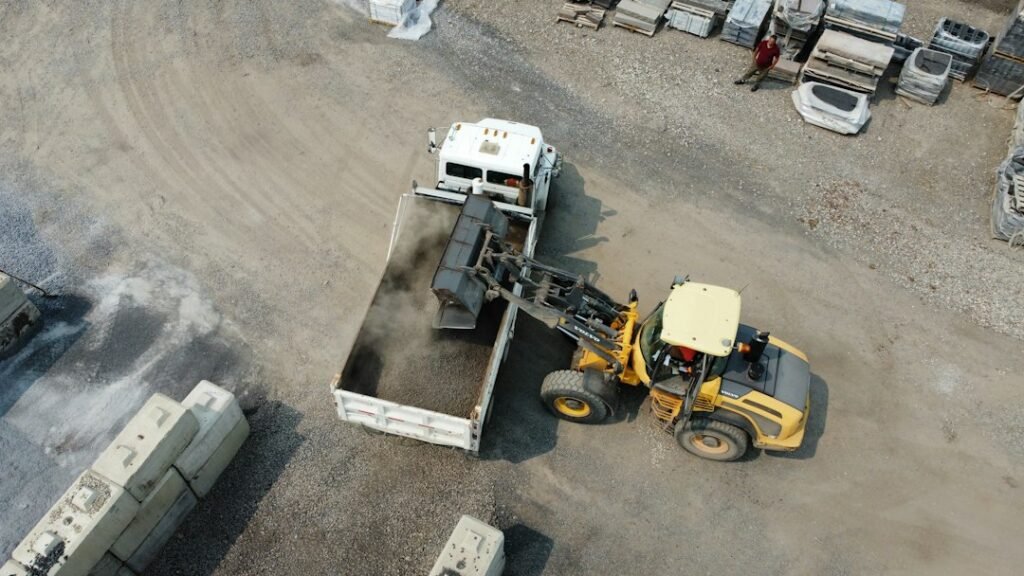
Heavy machinery forms the backbone of any grading project. Contractors factor in daily or weekly rental rates for skid steers, bulldozers, excavators, and dump trailers, plus a mobilization fee to transport equipment to your site.
Labor and Operator Expertise
Operating heavy earthmoving equipment requires skilled labor. Labor rates typically range from $50 to $100 per hour per worker, depending on regional wage variations and the complexity of the terrain.
Soil Removal and Import
If your yard has excess earth, paying for haul-off and dump fees will drive up costs. Conversely, if your lot slopes toward your house and requires importing clean fill dirt or topsoil to raise the grade, material and trucking fees apply.
Also Read:
- Flooring Cost Calculator Guide: 2026 Price Estimates per Square Foot
- House Construction Cost Per Square Foot: 2026 Guide
- How Much Does Concrete Cost Per Yard in 2026? Pricing, Delivery & Labor
- Landscape Rock Calculator: How Much Do You Need? (2026)
- How Much Does Landscape Rock Cost in 2026? Pricing, Materials, and Delivery
Labor Costs and Regional Price Variations
Labor represents 50% to 70% of a typical grading invoice. In metropolitan areas with high costs of living, hourly rates for machine operators and laborers are significantly higher than in rural districts. Additionally, regional soil conditions dictate labor speed. Rocky terrain in the Northeast or heavy expansive clay in the South requires specialized ripper attachments and slower excavation speeds, increasing total labor hours compared to sandy, loose soils found in other regions.
Illustrative Scenario Cost Breakdown
To visualize how these costs apply in practice, consider a hypothetical project: grading a standard 5,000-square-foot suburban backyard with a moderate slope and poor drainage toward the house.
| Project Component | Estimated Cost |
|---|---|
| Site prep, brush clearing, and utility locating | $600 |
| Rough grading and slope correction (5,000 sq ft) | $3,500 |
| Importing 20 cubic yards of topsoil | $800 |
| Finish grading and seedbed preparation | $1,200 |
| Haul-off of excess rocky debris | $500 |
| Total Estimated Investment | $6,600 |
DIY vs. Professional Yard Grading

Tackling yard grading as a DIY project is tempting if you own or can rent a compact tractor or skid steer. However, earthmoving is deceptively technical.
DIY grading works well for small, flat garden beds or minor backyard leveling under 1,000 square feet where mistakes do not threaten structural foundations. You can save on labor, paying only for equipment rental ($250 to $500 per day) and fuel.
Hire a professional contractor when dealing with large acreage, steep slopes exceeding 15 degrees, proximity to neighboring properties, or complex drainage issues near foundation walls. Improper DIY grading can direct water straight into your basement, resulting in tens of thousands of dollars in structural damage.
Hidden and Additional Costs to Anticipate
Unforeseen site conditions frequently derail initial project budgets. Keep these potential add-on expenses in mind:
- Underground utility strikes: Hitting unmarked sprinkler lines, private electrical runs, or drainage pipes leads to immediate repair bills.
- Retaining wall construction: If a slope is too steep to grade safely, you may need a retaining wall, which costs an additional $20 to $50 per square foot.
- Stormwater permits: Some municipalities require erosion control plans and stormwater permits for large-scale earth disturbance, costing $100 to $500.
- Erosion control measures: Silt fences, straw wattles, and hydroseeding are often mandated by local code to prevent sediment runoff into storm sewers during construction.
- Landscaping restoration: Grading destroys existing grass; budgeting for sod, hydroseeding, or new plantings is essential to restore your yard.
Common Mistakes to Avoid
Avoiding common errors ensures your grading investment protects your home rather than creating new headaches.
- Failing to call 811: Always call your local utility notification center at least two to three days before digging to prevent hitting gas, water, or electrical lines.
- Creating negative slope: Allowing the ground to slope toward your foundation invites basement flooding and structural settlement.
- Ignoring local codes: Altering natural drainage patterns onto neighboring properties can violate local municipal ordinances and lead to legal disputes.
- Overlooking soil compaction: Failing to compact imported fill dirt properly causes it to settle unevenly over time, ruining patios and new turf.
- Skipping erosion control: Leaving bare graded soil exposed through heavy seasonal rains leads to severe washouts and muddy runoffs.
How to Lower the Cost of Yard Grading
You can manage project expenses effectively by applying strategic cost-saving measures.
- Keep the shape simple. Minimize complex contouring and multi-tier terracing unless strictly necessary for your property’s topography.
- Reuse on-site soil. Balance cut-and-fill amounts on your property so you do not have to pay to haul dirt away or import expensive topsoil.
- Combine projects. Schedule grading at the same time as driveway installation, patio pours, or major landscaping to secure bundled equipment mobilization rates.
- Handle finish prep yourself. Save on labor by doing the final hand-raking, rock picking, and grass seeding yourself after the contractor finishes the heavy machine work.
- Get multiple quotes. Solicit at least three detailed bids from licensed, insured local excavating contractors to compare pricing and scope.
How to Get an Accurate Yard Grading Estimate
Securing reliable contractor bids requires clear preparation. Walk your property during a heavy rainstorm to map out exact standing water zones and drainage bottlenecks. Mark property pins and underground obstacle locations clearly.
When interviewing contractors, ask for proof of general liability and workers’ compensation insurance, request references from similar local grading projects, and ensure the contract explicitly outlines drainage specifications, material volumes, and cleanup responsibilities. For broader property updates, our Landscaping Cost Calculator helps you estimate total expenses when combining grading with sod, planting, and hardscaping.
Comprehensive Breakdown of Equipment and Earthmoving Logistics
Understanding the logistical components behind moving earth helps demystify contractor proposals. When a company arrives with heavy equipment, every piece of machinery incurs wear, fuel consumption, and transport overhead. Recognizing these operational demands ensures you appreciate why mobilization fees appear on your invoice.
Bulldozers are deployed for heavy cutting and pushing soil across wide expanses, excelling at removing high spots and filling major depressions. Skid steers provide high maneuverability in restricted residential spaces, allowing operators to bucket, load, and level earth within tight perimeter fences. Mini excavators handle precision trenching for French drains and selective digging around mature root systems without destroying entire yards.
Transporting these massive iron workhorses requires heavy-duty flatbed trailers and commercial driver licensing, which explains why equipment drop-off and pickup fees range from $150 to $500 per mobilization event. If your project spans multiple distinct phases—such as rough grading in spring followed by finish grading in autumn—expect separate mobilization charges for each equipment delivery.
Step-by-Step Execution Phases of a Professional Grading Project
Knowing what happens on-site during a professional yard grading project helps you monitor progress and keep contractors accountable to the agreed timeline. A standard residential grading project moves through several distinct phases over a span of two to five days.
First, site preparation begins with utility locating, installation of temporary silt fences, and the removal of surface obstacles like brush, rocks, and old landscaping timbers. Second, rough cutting and filling takes place, where heavy machinery reshapes the primary contours of the landscape to establish the required slope ratios away from structural foundations.
Third, drainage infrastructure is integrated. Contractors dig swales, install catch basins, or lay perforated pipe networks for underground discharge. Fourth, finish grading is executed, breaking up compacted clods, spreading imported topsoil evenly, and raking the surface smooth. Finally, immediate erosion control measures like hydroseeding, blanket installation, or sod laying are applied to lock the newly graded soil into place.
Soil Mechanics and Geotechnical Considerations
The type of earth beneath your turf dictates how easily it can be graded and how stable it will remain after the project concludes. Soil mechanics play a critical role in long-term landscape performance.
Sandy soils are exceptionally easy to cut, move, and grade, but they lack structural cohesion and erode rapidly during heavy rainstorms. Clay soils, conversely, hold shapes well when damp but become dense, sticky nightmares that demand heavy-duty excavator attachments to carve and break apart. Furthermore, expansive clay swells when wet and shrinks when dry, putting intense pressure on foundations and retaining walls.
When contractors import fill dirt, they must use compactors—such as vibratory plate compactors or heavy roller drums—in thin, 6-inch lifts. Skipping lift compaction causes the subgrade to settle unevenly over subsequent seasons, resulting in sunken patches in lawns, cracked patio slabs, and pooled water where level surfaces once existed.
Navigating Environmental Regulations and Local Permits
Altering the topography of your land is not always a purely private matter. Local municipalities maintain strict environmental and stormwater management codes to prevent flooding and soil pollution on public infrastructure.
If your grading project disturbs more than a specific threshold of square footage—often ranging from 5,000 to 10,000 square feet depending on the county—you may be legally required to submit an erosion and sediment control plan. Failing to pull necessary grading permits can result in hefty stop-work orders, municipal fines, and mandatory remediation expenses to restore the land to its original state.
Additionally, altering natural water flow paths onto adjacent properties exposes you to civil liability if your new grading floods your neighbor’s yard. Always verify that your project design routes water into approved easements, storm sewers, or private dry wells rather than across property lines.
Maximizing Long-Term Land Stability and Maintenance
Once your yard grading project is complete, protecting your investment requires proactive maintenance and vigilant oversight through the first few seasonal cycles.
Inspect your newly graded yard after the first major downpour or snowmelt. Walk the perimeter to confirm that water flows smoothly away from foundation walls and collects in designated swales without forming stagnant pools. Keep a close eye on newly seeded areas; if localized erosion cuts small rills or gullies into the topsoil, fill and re-seed those spots immediately before minor channels turn into major washouts.
Maintain healthy, dense turf grass across all graded surfaces. A thick root system acts as a biological blanket that locks soil particles in place, resisting wind and water erosion far more effectively than bare earth or thin, patchy grass. By pairing professional grading execution with attentive post-project care, you secure a dry, stable, and visually appealing property for decades to come.
Frequently Asked Questions
How long does a yard grading project take?
Most standard residential yard grading projects take between one to three days to complete. Larger lots exceeding 10,000 square feet or properties requiring significant soil import and retaining wall construction may take four to seven days.
Will yard grading kill my existing grass?
Yes. Heavy equipment tracks and the process of scraping, cutting, and filling soil will destroy existing turf. Homeowners should budget for sod installation, hydroseeding, or grass seeding immediately following finish grading.
Do I need a permit to grade my yard?
It depends on your local municipality and the scale of the earth disturbance. Many local building departments require grading permits if you move more than 50 cubic yards of earth, alter established drainage patterns, or work near protected wetlands.
What is the difference between rough and finish grading?
Rough grading establishes the primary elevation, major contours, and basic drainage slopes using heavy machinery. Finish grading is the final, detailed pass that smooths the top layer of soil, removes rocks, and prepares an even seedbed for grass or landscaping.
How can I prevent soil erosion after grading?
To prevent erosion on newly graded soil, apply straw mulch, install erosion control blankets, set up silt fences, and establish fast-germinating cover crops or sod as quickly as possible before heavy rains hit.
Can I grade my yard myself to save money?
DIY grading is feasible for small, flat areas under 1,000 square feet using a rented small skid steer. However, complex slopes, drainage correction near foundations, and large lots are best left to professionals to avoid costly structural water damage.
Final Takeaway
Reshaping your property through professional grading is essential for protecting your home’s foundation and creating a functional outdoor space. While expenses vary based on property size, terrain, and regional labor rates, proper planning ensures you avoid unexpected drainage failures.
- Standard residential yard grading ranges from $1,000 to $3,500 total.
- Per-square-foot pricing typically falls between $0.50 and $2.00.
- Project complexity, soil type, and equipment access are the primary cost variables.
Before starting your project, utilize BuildCost.online’s Yard Grading Cost Calculator for initial planning and consult licensed local contractors for precise on-site estimates.
Estimates vary by location, supplier and site conditions and should be verified locally.