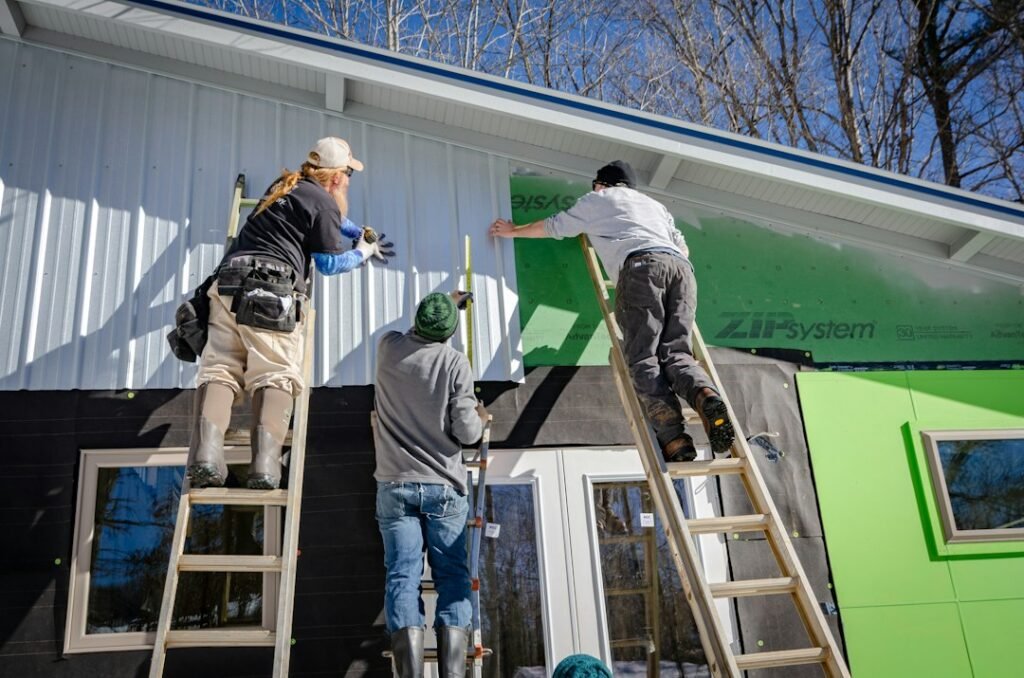
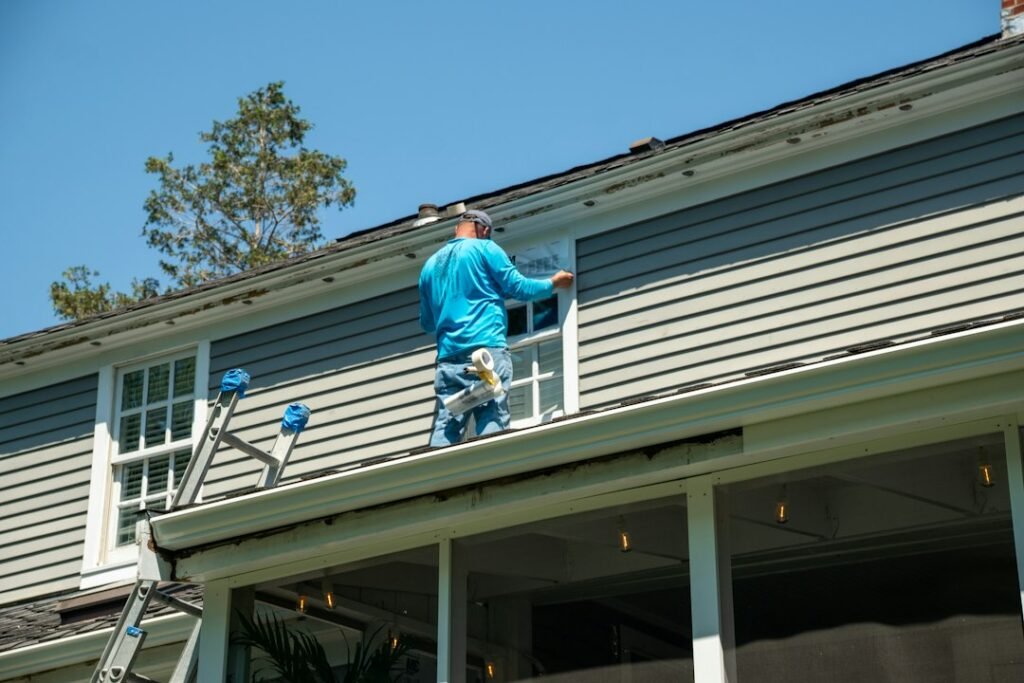
When your home’s exterior starts showing signs of cracking, fading, or moisture intrusion, replacing the cladding becomes an urgent priority. Homeowners facing this major exterior renovation naturally wonder about the financial commitment required. So, how much does siding replacement cost in 2026?
Replacing siding on a typical 2,000-square-foot home costs between $5,500 and $17,000 nationally, with most homeowners spending roughly $11,500 for standard materials and professional installation. On a per-square-foot basis, this translates to $3 to $14 installed, depending heavily on whether you choose economical vinyl, mid-range engineered wood, or premium fiber cement and natural stone.
The final total depends on your home’s exterior square footage, the selected material, local contractor labor rates, and any hidden structural repairs needed once the old cladding comes off. This guide breaks down every factor influencing your project budget so you can plan effectively.
How Much Does Siding Cost in 2026?

Planning a complete exterior overhaul requires understanding how project size dictates overall spending. Material expenses and labor combine to form your total investment, which varies based on regional economics across the United States. Premium regions with higher cost-of-living standards often see installation labor running 20 to 40 percent above the national baseline.
To estimate your project accurately, you can use our Siding Cost Calculator to input your exact dimensions and material choices. The following table illustrates typical national planning ranges by home exterior size.
| Exterior Size (Sq. Ft.) | Estimated Cost Range | Average Cost per Sq. Ft. (Installed) |
|---|---|---|
| 1,000 sq. ft. | $3,000 – $14,000 | $3.00 – $14.00 |
| 1,500 sq. ft. | $4,500 – $21,000 | $3.00 – $14.00 |
| 2,000 sq. ft. | $6,000 – $28,000 | $3.00 – $14.00 |
| 2,500 sq. ft. | $7,500 – $35,000 | $3.00 – $14.00 |
| 3,000 sq. ft. | $9,000 – $42,000 | $3.00 – $14.00 |
Estimated Siding Cost by Exterior Size
Chart note: Estimated total project costs for standard materials and professional installation based on home exterior square footage.
These figures represent planning estimates rather than guaranteed contractor quotes. Choosing budget-friendly vinyl on a simple rectangular home keeps you at the lower end, while intricate architecture, three stories, and heavy fiber cement push totals higher.
Calculating Siding Costs per Square Foot
Unit pricing serves as a primary tool for comparing different bids and evaluating material choices. However, calculating your total requires measuring your actual wall surface area, which is almost always larger than your home’s ground footprint due to gables, stories, and architectural protrusions.
Try Our Free Calculators:
For a basic calculation, if you are installing an engineered wood product at an average installed price of $9 per square foot on 1,800 square feet of wall area, the math looks like this: 1,800 x $9 = $16,200. Always keep in mind that unit pricing is only a comparison tool, as real-world site challenges alter the final bill.
When reviewing professional estimates, ask specifically whether the quote includes:
- Old siding removal and disposal fees
- House wrap or moisture barrier replacement
- Soffit, fascia, and trim installation
- Permits and local building department inspection fees
- Scaffolding or specialized lift rentals for multi-story homes
Cost by Siding Material
Your choice of cladding material dictates the vast majority of your project budget, long-term maintenance requirements, and home aesthetic. Each option comes with distinct advantages and trade-offs.
Vinyl Siding
Vinyl remains the most popular American exterior choice due to its affordable price point and minimal upkeep. It requires no painting and cleans easily with a garden hose.
- Pros: Lowest upfront cost, wide color selection, immune to rot and insect damage.
- Cons: Can crack in extreme cold, vulnerable to high winds, and melts when exposed to high heat sources like grills.
- Cost: Typically runs $3 to $7 per square foot installed.
Fiber Cement Siding

Fiber cement mimics the look of wood while offering exceptional durability, fire resistance, and resistance to warping or rotting.
- Pros: Extremely durable, non-combustible, impervious to termites, and holds paint exceptionally well.
- Cons: Heavy weight requires specialized installation crews, high labor cost, and periodic repainting every 10 to 15 years.
- Cost: Generally ranges from $6 to $14 per square foot installed.
Engineered Wood Siding
Engineered wood combines wood fibers with resins for a sturdy product that looks like natural lumber without the severe maintenance drawbacks.
- Pros: Lighter and easier to install than fiber cement, highly impact resistant, and comes pre-finished in numerous colors.
- Cons: Vulnerable to moisture if cut edges are not properly sealed during installation, and carries a moderate price tag.
- Cost: Usually falls between $5 and $11 per square foot installed.
Metal Siding (Aluminum & Steel)
Metal siding provides a sleek, modern aesthetic and industrial durability, making it popular in contemporary and rural architecture.
Also Read:
- Pros: Fireproof, highly durable, recyclable, and requires virtually no maintenance.
- Cons: Aluminum dents easily from hail or baseballs, steel can rust if scratched, and both can create a metallic echo.
- Cost: Typically costs $6 to $12 per square foot installed.
Before committing to a specific material, you can use our Siding Calculator to compare different product categories and total expenses. To ensure your exterior project aligns with structural framing budgets, cross-check estimates using our House Construction Cost Calculator for larger additions or full builds.
| Material | Typical Cost Level | Maintenance | Key Considerations |
|---|---|---|---|
| Vinyl | Low ($3–$7/sq. ft.) | Low (Wash annually) | Susceptible to extreme cold cracking |
| Engineered Wood | Medium ($5–$11/sq. ft.) | Low-Medium | Must seal cut edges carefully |
| Fiber Cement | Medium-High ($6–$14/sq. ft.) | Low (Repaint 10-15 yrs) | Heavy, requires professional crew |
| Metal (Aluminum/Steel) | Medium-High ($6–$12/sq. ft.) | Low | Can dent or show scratches |
What Makes Up the Cost of Siding?

Understanding the individual components of a siding estimate helps you spot inflated charges and negotiate effectively with contractors. Material and labor are only part of the equation.
Labor Expenses
Labor typically accounts for 50 to 60 percent of a professional siding quote. Complex architectural designs, multiple stories, intricate trim work, and difficult terrain increase labor hours significantly. For accurate benchmarking, you can review labor trends using our Labor Cost Calculator before signing a contract.
Tear-Down and Disposal
Removing old siding, rotted sheathing, and outdated insulation adds $1 to $3 per square foot to your project. Dumpster rental and disposal fees for heavy materials like fiber cement add hundreds of dollars.
Moisture Barriers and Insulation
Installing a quality house wrap or rigid foam insulation board beneath your new cladding prevents moisture infiltration and improves energy efficiency. This adds $0.50 to $2.00 per square foot but pays dividends in utility savings.
Worked Hypothetical Scenario
To visualize how these expenses accumulate, consider an illustrative scenario for a two-story suburban home with 2,200 square feet of exterior wall space. The homeowner selects mid-grade engineered wood siding.
The project breakdown includes:
- Engineered wood material: $13,200 ($6.00/sq. ft.)
- Installation labor: $11,000 ($5.00/sq. ft.)
- Tear-down and disposal of old aluminum siding: $3,300 ($1.50/sq. ft.)
- House wrap and weatherproofing membrane: $1,760 ($0.80/sq. ft.)
- Trim, soffit, and fascia replacement: $2,500
- Permits and waste disposal fees: $740
Total estimated project cost equals $32,500. This scenario demonstrates why material choice is only one part of an extensive exterior renovation budget.
Siding Replacement vs. Repair
Not every damaged wall requires a full tear-down. Knowing when to patch versus replace saves thousands of dollars.
Localized damage caused by moisture, storms, or vehicle impact can often be patched if matching material is available. However, if your siding is brittle, rotting underneath, or more than 25 years old, patching becomes a temporary Band-Aid. Full replacement allows contractors to inspect the underlying framing, replace damaged plywood sheathing, and upgrade your home’s insulation envelope to meet current IRC energy standards.
Hidden or Additional Costs
Surprises lurk behind exterior walls. Anticipating these potential budget add-ons prevents project stalls.
- Rotten framing repair: Discovering water-damaged studs or structural headers once old siding is removed can add $1,000 to $4,000 in carpentry repairs.
- Asbestos siding mitigation: Older homes with transite asbestos siding require specialized, licensed abatement contractors, adding significant disposal premiums.
- Electrical and fixture relocation: Extending exterior light fixtures, hose bibs, and electrical outlets to accommodate thicker insulation boards costs extra.
- Scaffolding rentals: Three-story homes require professional scaffolding setups, adding $500 to $1,500 to the labor total.
Common Mistakes to Avoid
Steering clear of common budgeting and planning errors ensures your exterior renovation stays on track.
- Failing to check local permits: Always verify permit requirements with your local building department before work begins to avoid stop-work orders.
- Ignoring the underlayment: Skipping house wrap to save a few hundred dollars invites moisture rot and compromises your investment.
- Choosing contractors on price alone: The lowest bid often cuts corners on flashing, trim detailing, and fastener spacing, leading to premature failure.
- Forgetting waste factors: Always order 10 percent extra material to account for cuts, waste, and gable angles.
How to Lower the Cost of Siding
Exterior renovations require a significant financial commitment, but several strategies help manage expenses without sacrificing quality.
- Keep the architectural lines simple. Minimizing gables, turrets, and complex architectural accents reduces specialized labor and material waste.
- Choose standard vinyl for tight budgets. Opting for quality vinyl instead of premium stone veneer cuts material costs by more than half.
- Schedule during the off-season. Contractors often offer discounted labor rates during late fall and winter when demand slows down.
- Handle minor prep work yourself. Removing old landscaping bushes, disconnecting exterior light fixtures, and hauling away yard debris saves contractor labor hours.
How to Get an Accurate Siding Estimate

Gathering precise proposals requires preparation and clear communication with local siding professionals.
Measure your exterior walls roughly and note architectural features like windows, doors, and gables. Contact at least three licensed, insured contractors to inspect your property in person. Provide each contractor with the exact same material specifications so you can compare their bids line by line. Ensure every proposal explicitly outlines labor warranties, material guarantees, payment schedules, and timeline expectations.
Frequently Asked Questions
How long does new siding installation take?
A standard siding replacement on a 2,000-square-foot home typically takes 7 to 14 days, depending on weather conditions, crew size, and whether structural sheathing repairs are needed once the old material is removed.
Does new siding increase home value?
Yes, siding replacement consistently ranks among the top home improvement projects for return on investment. Homeowners frequently recoup 75 to 85 percent of the project cost in increased resale value while immediately boosting curb appeal.
Can I install new siding over old siding?
While installing new vinyl over existing wood siding is sometimes possible, it is generally discouraged. Removing old cladding allows contractors to inspect for hidden water damage, rot, and mold while installing a fresh moisture barrier.
Which siding material lasts the longest?
Fiber cement and engineered stone or brick veneer offer the longest lifespans, often lasting 40 to 50 years or more with minimal maintenance. Vinyl typically lasts 20 to 40 years depending on climate severity.
Do I need a building permit to replace my siding?
Most local building departments require a permit for exterior siding replacement, especially if structural sheathing or insulation is being altered. Always check your local municipal codes before starting work.
How much does it cost to remove old siding?
Siding tear-off and disposal generally costs between $1 and $3 per square foot. Heavy materials like fiber cement or stucco require additional labor and higher disposal dump fees compared to lightweight vinyl.
Is vinyl siding still a good budget choice?
Vinyl remains the most cost-effective siding material on the market, offering reliable durability, zero painting requirements, and affordable installation starting around $3 per square foot.
Final Takeaway
Replacing your home’s exterior cladding is a major investment that protects your property from the elements while transforming its curb appeal. Proper planning ensures your project stays on budget and meets local building standards.
- National planning ranges span from $5,500 to $17,000 for standard home sizes.
- Per-square-foot installed costs run $3 to $14 depending on material choice.
- Labor typically accounts for 50 to 60 percent of the total contractor quote.
The biggest cost variables remain your choice of material and hidden structural repairs found during tear-down. To refine your budget planning, use BuildCost.online’s Siding Cost Calculator alongside local contractor quotes before signing any agreement.
Planning estimates vary by geographic location, material supplier availability, and specific site conditions; always verify prices locally.