When Your Roof Needs Immediate Attention
When your roof starts leaking, curling, or shedding granules faster than your gutters can catch them, you know your home is asking for attention. So, how much does a roof replacement cost in 2026? Homeowners navigating this major home improvement project need realistic financial planning numbers before calling local contractors.
A typical residential roof replacement in the United States costs between $5,700 and $16,000 for standard asphalt shingles on a 2,000-square-foot home, with most homeowners spending about $9,500 in total. On a per-square-foot basis, expect to pay $4.00 to $11.00 installed for basic shingles, while premium materials like standing seam metal, slate, or concrete tile can push total project costs from $18,000 to over $40,000.
Total project pricing depends heavily on the square footage of your roof deck, the pitch or steepness of the slope, the chosen roofing material, local labor rates in your region, and whether contractors must tear off multiple layers of old roofing before installing the new system. This guide breaks down every variable so you can build an accurate budget.
How Much Does Roof Replacement Cost in 2026?


Understanding national averages helps you evaluate contractor bids and spot overpriced estimates or unusually cheap red flags. Keep in mind that these are approximate planning ranges for standard residential roofs under typical site conditions, not guaranteed final quotes.
| Roof Size (Sq. Ft.) | Estimated Cost Range | Average Cost per Sq. Ft. |
|---|---|---|
| 1,500 sq. ft. | $4,500 – $13,500 | $3.00 – $9.00 |
| 2,000 sq. ft. | $6,000 – $18,000 | $3.00 – $9.00 |
| 2,500 sq. ft. | $7,500 – $22,500 | $3.00 – $9.00 |
| 3,000 sq. ft. | $9,000 – $27,000 | $3.00 – $9.00 |
| 3,500 sq. ft. | $10,500 – $31,500 | $3.00 – $9.00 |
To narrow down these broad figures for your specific property layout, you can use our Roof Replacement Cost Calculator to factor in local labor adjustments, material choices, and roof pitch complexity.
Understanding Roof Cost Per Square Foot
Roofing contractors generally price jobs per square or per square foot. In roofing terminology, one “square” equals 100 square feet of surface area. For example, if a contractor charges $450 per square for architectural asphalt shingles on a 2,500-square-foot roof (which equals 25 squares), the calculation is 25 squares x $450 = $11,250 for standard installation.
Unit pricing serves as a helpful baseline for comparing bids, but it rarely captures everything. Before signing a contract, you should verify exactly what is included in the line items. Ask specifically whether the quote includes:
- Old material tear-off and disposal fees
- Dumpster rental and hauling permits
- Underlayment and ice-and-water shield materials
- Flashing replacement around chimneys, valleys, and vents
- Plywood decking replacement for rotted wood
Roof Replacement Cost by Home Size
Roof size is the most direct driver of material consumption and labor hours. Larger footprints require more bundles of shingles, extra rolls of underlayment, and significantly more man-hours to tear off and nail down. Below is a detailed breakdown of how total costs scale with roof surface area across different common architectural sizes.
| House / Roof Size | Low-End Cost (Shingles) | Mid-Range Cost (Architectural) | High-End Cost (Metal/Tile) |
|---|---|---|---|
| 1,000 sq. ft. | $3,500 | $5,500 | $12,000 |
| 1,500 sq. ft. | $5,000 | $8,250 | $18,000 |
| 2,000 sq. ft. | $6,800 | $11,000 | $24,000 |
| 2,500 sq. ft. | $8,500 | $13,750 | $30,000 |
| 3,000 sq. ft. | $10,000 | $16,500 | $36,000 |
| 3,500 sq. ft. | $12,000 | $19,250 | $42,000 |
Estimated Roof Cost by Size
Chart note: Estimated total project costs for standard architectural asphalt shingle replacement based on home square footage.
Roof Replacement Cost by Material Type
The material you choose defines your roof’s lifespan, aesthetic, weather resistance, and total price tag. Weighing the pros and cons of each option helps align your investment with your long-term housing plans.
Asphalt Shingles
Asphalt shingles are the most popular roofing material in North America, favored for their affordability and straightforward installation process. You can easily estimate material requirements using our Shingle Roof Cost Calculator before talking to suppliers.
- Lower upfront material and labor costs compared to metal or tile
- Available in standard 3-tab or thicker architectural styles
- Easier to repair and widely understood by local contractors
The primary trade-off is lifespan. Asphalt shingles typically last 20 to 30 years and are vulnerable to extreme wind uplift, hail damage, and severe thermal shock in harsh climates.
Metal Roofing

Metal roofing systems, including corrugated panels and concealed-fastener standing seam, offer exceptional durability against wind, fire, and snow loads.
Try Our Free Calculators:
- Outstanding lifespan ranging from 40 to 70 years
- Superior energy efficiency by reflecting solar radiant heat
- Low maintenance requirements over decades of service
The downside is the initial investment, which is roughly two to three times more expensive than basic asphalt shingles. For a tailored estimate on steel or aluminum panels, check out our Metal Roof Cost Calculator.
Clay and Concrete Tile
Tile roofs provide a striking southwestern or Mediterranean aesthetic that stands up remarkably well to intense sunlight and salty coastal air.
- Incredible longevity exceeding 50 to 100 years
- Natural thermal insulation properties keep attics cooler
- Class A fire rating and high wind resistance
Tiles are extremely heavy and often require structural engineering reinforcement of your roof rafters. They are also brittle and can crack if walked on improperly.
Natural Slate
Slate represents the pinnacle of residential roofing materials, crafted from genuine stone quarried for high-end custom homes.
- Unmatched architectural beauty and authentic character
- Lifespan that can easily surpass a century with proper care
- Impervious to rot, fire, mold, and insects
Slate is exceptionally expensive, highly labor-intensive to install, and demands specialized craftsmanship that limits contractor availability in many rural areas.
| Material Type | Typical Cost Level | Maintenance | Key Considerations |
|---|---|---|---|
| Asphalt Shingle | Low to Moderate | Low | Standard 20-30 year lifespan, widely used |
| Standing Seam Metal | High | Very Low | 40-70 year lifespan, excellent wind resistance |
| Concrete Tile | High | Low | Heavy weight requires reinforced framing |
| Natural Slate | Very High | Low | Lasts over 100 years, requires expert framing and labor |
What Makes Up the Cost of a Roof Replacement?
A comprehensive roofing estimate is made up of several distinct line items. Understanding these components prevents sticker shock when you review contractor proposals.
Materials and Underlayment
Materials make up roughly 40% of your total quote. This includes the shingles or panels, ridge caps, starter strips, valley flashing, drip edge, and synthetic or felt underlayment that provides a secondary waterproof barrier.
Labor and Crew Rates
Labor accounts for roughly 50% of the overall cost. Experienced roofing crews charge more per hour, but they complete the job faster and install flashings correctly to prevent costly leaks. Regional labor disparities mean crews in high cost-of-living metropolitan areas charge significantly more than rural contractors.
Tear-Off and Disposal
Removing old shingles, hauling them down, and paying local landfill disposal fees usually adds $1.00 to $3.00 per square foot. If your roof has two layers of old shingles, contractors must charge extra for the additional weight and disposal labor.
How Roof Pitch and Complexity Affect Pricing
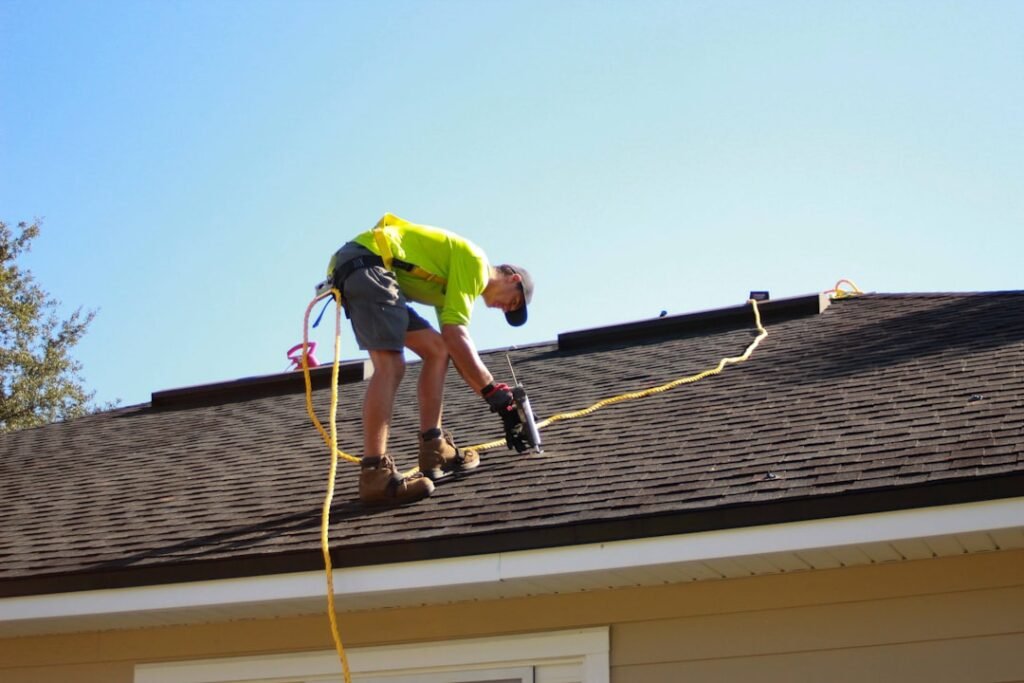
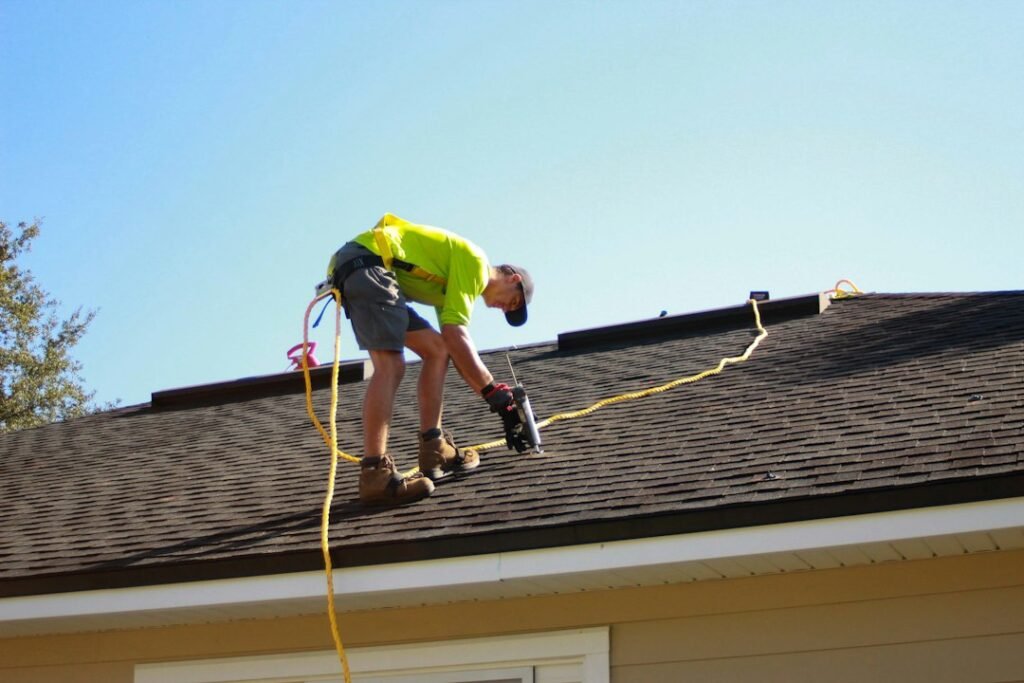
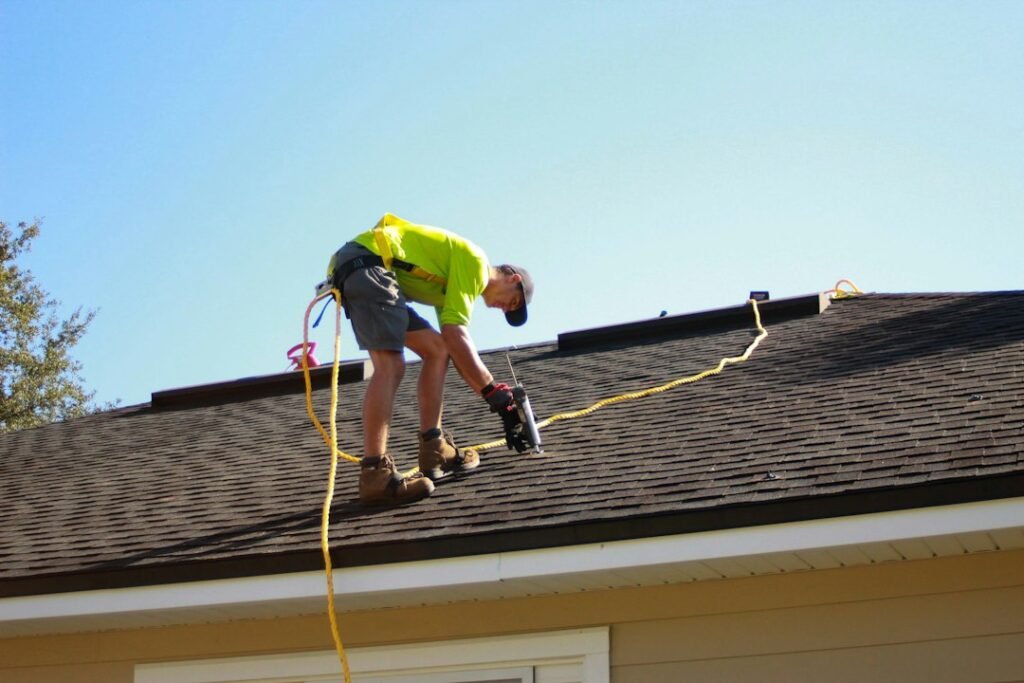
A flat or low-slope roof is simple and safe for work crews to walk across. In contrast, steep roofs with pitches greater than 7:12 require safety harnesses, scaffolding, toe boards, and specialized staging equipment.
Complex roof geometries—featuring multiple dormers, valleys, dead valleys, skylights, and intricate chimney flashings—slow down production. Every corner and intersection requires hand-cutting materials and meticulous flashing installation, driving up total labor costs.
Also Read:
- Roofing Cost Calculator Guide: 2026 Price Estimates and Material Breakdown
- How Much Does a New Roof Cost in 2026?
- Siding Cost Calculator Guide: 2026 Prices, Materials & Installation Estimates
- How Much Does a Roof Cost in 2026? Pricing, Materials, and Labor Breakdown
- Wood Fence Cost Guide 2026: Material, Labor, and Installation Prices
Permits, Inspections, and Local Codes
Most municipal building departments require a building permit for roof replacements to ensure the work complies with current IRC building codes and wind-load standards. Permit fees typically range from $150 to $500 depending on your municipality and the valuation of the project.
Building codes often dictate specific requirements, such as mandating ice-and-water shield membranes in northern climates or requiring full tear-offs when two existing shingle layers are already present. Always verify that your contractor pulls the required permits rather than leaving that legal responsibility to you.
Illustrative Scenario: Replacing a 2,200 Sq. Ft. Asphalt Roof
To see how these costs combine in the real world, consider an illustrative scenario for a suburban home with a 2,200-square-foot roof, moderate 6:12 pitch, and a single layer of old three-tab shingles to remove.
| Cost Component | Estimated Share | Estimated Cost |
|---|---|---|
| Tear-Off & Disposal | 15% | $1,980 |
| Materials & Underlayment | 35% | $4,620 |
| Direct Installation Labor | 40% | $5,280 |
| Permits & Miscellaneous | 10% | $1,320 |
| Total Estimated Project | 100% | $13,200 |
This mid-range scenario demonstrates how balanced contractor pricing allocates funds between labor, materials, and safe disposal.
Hidden or Additional Costs to Anticipate

Surprises during a roof replacement can quickly drain contingency funds if you are not prepared for them.
- Rotted plywood decking: Water leaking beneath old shingles often rots OSB or plywood sheathing. Replacing a sheet of damaged decking typically adds $70 to $125 per sheet including labor.
- Fascia and soffit repair: Rotted wood behind your gutters must be repaired or replaced before new drip edge can be securely nailed down.
- Chimney flashing issues: Rebuilding deteriorated masonry or installing custom copper step flashing around complex chimneys adds hundreds of dollars to the final bill.
- Structural sagging: If roof rafters or ceiling joists have warped or sagged over time, structural reinforcement is required before new decking can be applied.
Common Mistakes to Avoid
Avoiding common pitfalls ensures your new roof performs reliably for decades without premature failure.
- Choosing the lowest bid blindly: The cheapest quote often means unlicensed labor, skipped underlayment layers, or substandard shingle grades that lack proper manufacturer warranties.
- Neglecting proper attic ventilation: Failing to install adequate intake and exhaust vents traps heat and moisture, which bakes shingles from underneath and voids warranties.
- Skipping manufacturer warranties: Ensure your contractor is certified by the shingle manufacturer so you qualify for extended non-prorated system warranties rather than basic material coverage.
- Ignoring local references: Always check recent local references and verify that the roofing company carries active general liability and workers’ compensation insurance.
How to Lower the Cost of a Roof Replacement
If professional contractor bids exceed your initial budget, several strategies can help safely reduce your overall out-of-pocket expenses.
- Schedule during the off-season: Contractors in northern climates often offer discounted labor rates or promotional pricing during late fall or early winter before the spring rush begins.
- Keep the roof design straightforward: If you are building an addition, avoid overly complex gables and unnecessary intersecting rooflines that demand tedious hand labor.
- Handle clean-up yourself: Ask if you can save money by renting your own dumpster or handling the ground-level cleanup and magnetic nail sweeps, though leaving heavy debris to pros is usually safer.
- Compare multiple detailed quotes: Obtain at least three itemized bids from reputable local roofing contractors to ensure competitive market pricing.
How to Get an Accurate Roof Estimate

Gathering precise information before calling contractors ensures you receive accurate, comparable bids.
- Measure your home’s exterior ground footprint and account for overhangs and pitch.
- Determine the approximate age and current condition of your existing roof layers.
- Note any known problem areas, such as interior ceiling stains, sagging spots, or damaged flashing.
- Ask contractors for written, itemized estimates that separate material brands, labor warranties, disposal fees, and permit costs.
Step-by-Step Roof Replacement Process
Knowing what happens on installation day helps you prepare your property, protect your landscaping, and keep family members and pets safe. A standard residential roof replacement follows a precise, multi-stage workflow from start to finish.
- Site preparation and safety setup: Crews arrive early to lay down tarps, plywood protection boards over flower beds, and position a roll-off dumpster in the driveway. Ladders and safety harnesses are secured.
- Tear-off of old materials: Workers strip away old shingles, felt paper, and roof jacks down to the bare wooden decking. All debris is immediately thrown into the dumpster below.
- Deck inspection and repair: Once the framing is exposed, the contractor inspects the entire deck for soft spots, water damage, or rot, replacing damaged plywood sheets as needed.
- Underlayment and ice shield installation: A waterproof self-adhering ice-and-water barrier is rolled along eaves, valleys, and roof penetrations, followed by synthetic underlayment across the remaining deck.
- Flashing and drip edge installation: New metal drip edges are nailed along rakes and eaves, while step flashing and valley metal are installed to direct water safely away from vulnerable joints.
- Shingle and ridge cap installation: New shingles are hand-nailed or gun-nailed following manufacturer patterns, working from the bottom up and finishing with specialized ridge cap shingles.
- Final cleanup and magnetic sweep: Crews clear all leftover scraps, sweep gutters, and run powerful rolling magnets across lawns and driveways to catch stray roofing nails.
Regional Cost Variances Across the United States
Geography plays a major role in determining your final invoice. Local labor economics, regional climate regulations, and material shipping distances create wide price variations from state to state and city to city.
In high cost-of-living metropolitan areas like New York, San Francisco, or Boston, labor rates are elevated, and strict municipal disposal fees drive total project costs up by 20% to 40% compared to national averages. Conversely, suburban and rural markets across the Midwest and Southern plains generally feature more competitive labor pricing.
Climate demands also shift regional pricing. Properties in northern snow-heavy zones require robust ice-and-water shielding across wider roof sections, heavier insulation, and specialized ventilation to prevent ice dams. Meanwhile, homes in hurricane-prone coastal zones require high-wind impact-rated shingles and specialized fastener schedules that increase material costs.
Evaluating Roofing Contractors and Bids
Choosing the right contractor is just as important as selecting the right shingle brand. Shoddy installation can cause a premium 50-year shingle to leak within five years, while a skilled crew can maximize the performance of standard materials.
When reviewing bids, look beyond the final bottom line. A trustworthy quote must itemize every material brand, labor warranty length, estimated timeline, and exact scope of work. Be wary of contractors who request more than 30% to 50% upfront payment before materials are delivered to your job site.
Always request proof of active liability insurance and workers’ compensation coverage directly from the insurer. If an uninsured worker falls off your roof, you could be held financially liable for their medical expenses and lost wages.
Financing Options for Your New Roof
Because a roof replacement represents a substantial five-figure investment, many homeowners rely on specialized financing solutions rather than paying entirely out of pocket.
- Home equity loans and HELOCs: These options typically offer lower interest rates and potential tax deductibility if funds are used for major home renovations.
- Contractor financing plans: Many established roofing companies partner with national lenders to provide promotional zero-percent interest or low-monthly-payment financing tiers for qualified buyers.
- Personal home improvement loans: Unsecured personal loans close quickly without requiring a home appraisal, though interest rates are generally higher than equity-backed loans.
- Insurance claims: If your roof sustained sudden storm, wind, or hail damage, your homeowners insurance policy may cover a significant portion of the replacement cost after you pay your deductible.
Long-Term Maintenance to Protect Your Investment
Once your new roof is successfully installed, proactive maintenance ensures you get the full return on your investment and preserves your manufacturer warranty.
Perform visual ground inspections twice a year, especially after severe winter storms or heavy autumn winds. Clear accumulated leaves and pine needles from valleys and gutters to prevent standing water from backing up under shingles. Trim back overhanging tree branches that scrape against granules or drop organic debris onto your roof surface.
Finally, inspect your attic periodically for signs of moisture, mold, water stains, or inadequate airflow. Proper maintenance prevents premature roof failure and protects the structural integrity of your entire home for decades to come.
Additional Considerations for Historic Homes
Historic properties require specialized care during a roof replacement project. Local historic preservation commissions often enforce strict design guidelines regarding material choices, color palettes, and even profile heights. If your home is located within a historic district, you may be prohibited from using standard architectural asphalt shingles in favor of hand-split cedar shakes, true quarried slate, or historically accurate clay tiles. These requirements can easily double or triple material expenditures and demand artisans who specialize in traditional installation methods.
Impact of Weather Events on Scheduling and Urgency
The timing of your roof replacement is frequently dictated by Mother Nature. Severe weather seasons, including spring tornado outbreaks, summer severe thunderstorms, and winter ice storms, trigger massive influxes of insurance claims and emergency repair requests across entire regions. During these peak periods, contractor availability plummets, material lead times lengthen, and emergency tarping services command premium rates. Planning your replacement during a calm weather window allows you to negotiate more favorable contract terms and secure experienced installation crews without unnecessary delays.
Disposal Regulations and Environmental Compliance
Shingle disposal is subject to increasingly strict municipal environmental regulations. Many modern landfills ban asphalt shingles entirely or charge punitive tipping fees to divert construction waste into recycling facilities. Contractors must often haul old roofing materials to dedicated asphalt recycling plants where shingles are ground up into aggregate for hot-mix asphalt paving. Understanding these local green mandates helps clarify why disposal fees can vary significantly between municipalities and ensures your project complies with regional environmental standards.
Navigating Insurance Claims Successfully
If your roof replacement is triggered by storm damage, navigating the insurance claims process requires patience and precise documentation. Homeowners should request a professional inspection from an independent roofing contractor before filing a claim to confirm that visible damage warrants a full replacement rather than localized repairs. When the insurance adjuster arrives, having your contractor present ensures all collateral damage—including dented gutters, damaged window screens, and compromised siding—is formally documented. Always review your policy’s wind and hail deductible, which is frequently calculated as a percentage of your overall dwelling coverage rather than a flat dollar amount.
Understanding Manufacturer Warranties vs. Workmanship Warranties
A comprehensive roofing warranty actually consists of two distinct guarantees that protect your investment from different angles. Manufacturer material warranties cover defects in the shingles or metal panels themselves, often marketed as lifetime warranties but typically prorated after the first ten years. In contrast, contractor workmanship warranties cover errors made during installation, such as improper nailing patterns or faulty flashing integration around roof penetrations. Reputable contractors typically offer workmanship warranties ranging from 5 to 25 years, while elite factory-certified installers can provide extended manufacturer-backed workmanship coverage that protects against both material and labor failure for up to 50 years.
Frequently Asked Questions
How long does a typical roof replacement take?
Most residential roof replacements take between 1 to 3 days to complete, depending on the weather, roof size, steepness, and whether structural decking repairs are necessary.
Can I install a new layer of shingles over my old roof?
While a second layer (overlay) saves money on tear-off and disposal costs, most building codes limit roofs to a maximum of two layers. A complete tear-off is usually recommended to inspect decking for rot.
What time of year is best for replacing a roof?
Late spring, summer, and early autumn offer optimal weather for shingle sealing and adhesive activation. However, experienced contractors work year-round in most climates.
How do I know if I need roof repairs or a full replacement?
If damage is isolated to a small area, repairs are usually sufficient. If your roof is over 20 years old, has widespread granule loss, curling tabs, or multiple leaks, full replacement is more cost-effective.
Does homeowners insurance cover roof replacement?
Homeowners insurance typically covers roof replacement if the damage is caused by sudden acts of nature like hail, windstorms, or falling trees, but it rarely covers normal wear and tear or aging.
What is the most durable roofing material?
Natural slate and concrete tile offer the longest lifespans, often exceeding 50 to 100 years, followed closely by metal roofing systems which easily last 40 to 70 years.
Do I need a building permit to replace my roof?
Yes, most municipalities require a building permit for roof replacements to ensure the project meets local safety codes and wind-load requirements.
Final Takeaway
Replacing your roof is one of the most critical investments you will make in your home’s structural integrity and weather protection. Planning ahead with accurate financial figures ensures you choose the right materials and contractor without unexpected budget overruns.
- Standard asphalt shingle roofs cost between $5,700 and $16,000 for typical home sizes.
- Premium materials like metal, tile, and slate range from $18,000 to over $40,000.
- Labor accounts for about half of the total project cost, while materials make up the rest.
- Always inspect underlying decking and verify that local building permits are included.
The biggest cost variables remain total surface area, roof pitch complexity, and material selection. For preliminary planning estimates, BuildCost.online’s Roof Replacement Cost Calculator can help you model different scenarios before requesting itemized local quotes.
Estimates vary by location, supplier, and site conditions and should always be verified locally.

Your illustrative scenario of a 2,200 sq ft asphalt roof breaking down into $1,980 tear-off, $4,620 materials, $5,280 labor, and $1,320 permits is one of the clearest budget breakdowns I have seen – the $13,200 total makes the abstract national averages concrete. The section on how roof pitch and complexity affect pricing is also spot on; steep slopes quietly drive up labor costs in ways homeowners rarely anticipate. For readers who want to plug in their own numbers, a roof replacement cost calculator is a useful next step before collecting bids. Well-structured guide.