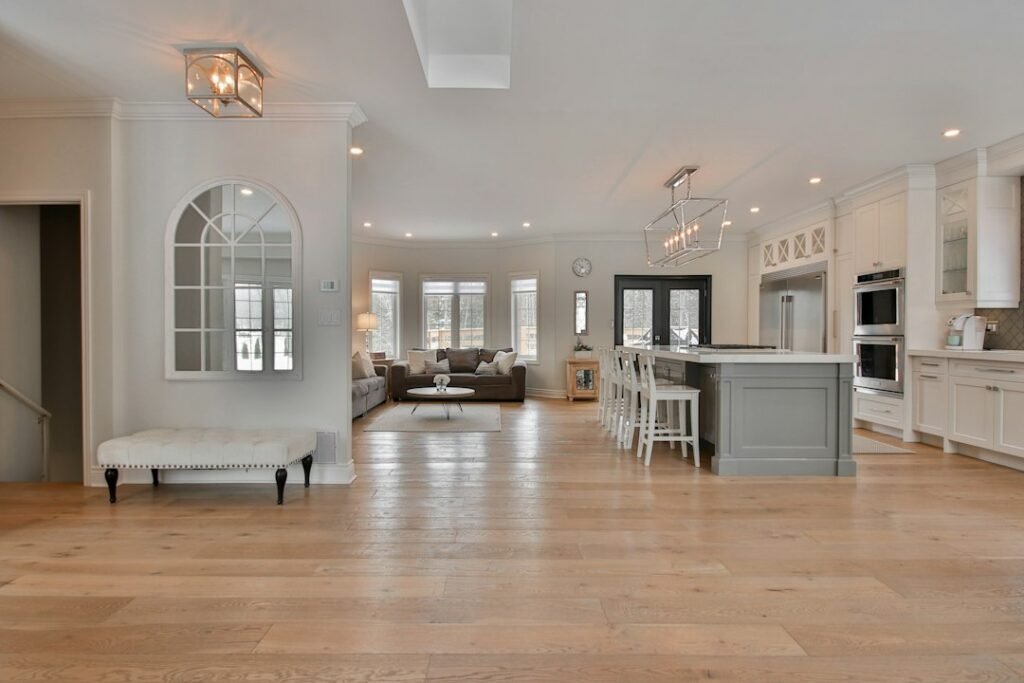
Introduction to Flooring Cost Estimating
When you are planning a home renovation, one of the first major expenses you will encounter is new flooring. If you are asking yourself how much it will cost to rip out old carpets or lay down fresh planks, you need reliable numbers based on real-world US contractor pricing. So, how much does new flooring cost in 2026?
Replacing flooring in a standard American home typically costs between $3 and $22 per square foot for both materials and professional installation, with most homeowners spending between $2,500 and $7,500 total for a mid-sized project. The final price varies significantly depending on the material you choose, the complexity of your subfloor preparation, whether old flooring needs to be removed, and local labor rates in your specific region.
Understanding these variables helps you avoid budget surprises. Whether you are tackling a single room or outfitting an entire house, using a structured approach to estimating will keep your project on track. This guide covers everything you need to know about pricing, labor, hidden fees, and smart ways to save money.
A precise calculation begins with knowing your room’s exact layout and dimensions, but a dependable flooring cost calculator also factors in regional labor differentials, material waste percentages, and auxiliary supplies like adhesive, underlayment, and transition mouldings. By understanding how these elements interact, you can project your total expenditures accurately before signing any contracts or purchasing pallets of material.
Navigating the flooring market requires a clear grasp of supply chain realities, labor shortages in specific building trades, and the long-term value propositions of various materials. Homeowners who take the time to evaluate room usage, foot traffic patterns, and environmental moisture levels before calculating their estimated costs consistently achieve better aesthetic and financial outcomes.
How Much Does Flooring Cost in 2026?
Flooring costs are generally calculated per square foot. Economy options like standard sheet vinyl or basic carpet start as low as $2 per square foot installed, while premium options like hand-scraped exotic hardwood or luxury natural stone tile can easily exceed $25 per square foot. Labor alone typically accounts for $2 to $8 of that per-square-foot total, depending on the intricacy of the pattern and the condition of your subfloor.
To get a realistic baseline, use our flooring cost calculator for a quick initial estimate based on your room dimensions. Keep in mind that these figures are planning estimates rather than guaranteed contractor bids. Local material availability, freight charges, and unexpected subfloor repairs can push your total up or down.
Inflationary pressures, supply chain adjustments, and rising labor wages have shifted regional pricing structures heading into 2026. Metropolitan areas with higher costs of living routinely experience labor rates that are 20 to 40 percent higher than national averages, while rural markets may offer lower hourly labor but higher delivery surcharges for specialized heavy materials like imported stone or solid oak.
Furthermore, seasonal demand plays a distinct role in contractor pricing. Spring and summer are peak renovation seasons, meaning installation crews are heavily booked and may command premium rates. Conversely, scheduling your flooring installation during late autumn or winter can sometimes yield more flexible labor bids as contractors look to secure off-season work.
| Project Size | Estimated Total Cost Range | Average Cost per Sq. Ft. (Installed) |
|---|---|---|
| 100 sq. ft. (Small Room / Bathroom) | $400 – $1,800 | $4.00 – $18.00 |
| 250 sq. ft. (Average Bedroom / Living Room) | $1,000 – $4,500 | $4.00 – $18.00 |
| 500 sq. ft. (Multiple Rooms / Apartment) | $2,000 – $9,000 | $4.00 – $18.00 |
| 1,500 sq. ft. (Full House Renovation) | $6,000 – $27,000 | $4.00 – $18.00 |
Estimated Total Cost by Project Size (Installed)
Chart note: Estimated total planning costs for mid-range flooring materials including professional installation.
Calculating Flooring Costs per Square Foot

Calculating the exact square footage of your space is straightforward, but it requires careful measurement to ensure you order enough material. Measure the length and width of each rectangular room in feet, then multiply them together. For example, a living room measuring 15 feet by 20 feet gives you 300 square feet.
Try Our Free Calculators:
If you choose a mid-range engineered hardwood flooring material that costs $8 per square foot for complete professional installation, the math is simple: 300 sq. ft. x $8 = $2,400. However, unit pricing is only a comparative tool. Contractors rarely charge by simple multiplication alone; they factor in room layouts, stairs, closets, and trim work.
When reviewing professional estimates, ask specifically whether the quote includes:
- Old flooring removal and disposal fees
- Subfloor leveling, sanding, or plywood replacement
- Baseboard removal and reinstallation or new quarter-round trim
- Threshold transitions between different rooms
- Staircase wrapping and nosing installation
When utilizing a flooring cost calculator, always input net square footage first, and then apply the recommended waste percentage manually if the software does not calculate it automatically. Failing to account for layout inefficiencies, angled walls, and cuts around door jambs will leave you short on material midway through installation.
To master manual calculations for irregular spaces, break your floor plan down into smaller geometric rectangles or triangles. Calculate the square footage of each section individually, add them together to determine the total net area, and then factor in your waste percentage based on the complexity of the room layout.
Cost Breakdown by Flooring Material
Different materials come with vastly different price tags, durability levels, and maintenance requirements. Choosing the right material for your household traffic and climate is critical to long-term satisfaction.
Hardwood Flooring
Solid or engineered wood brings timeless warmth and increases home resale value. Solid hardwood can be sanded and refinished multiple times, while engineered wood handles humidity changes better.
- Timeless aesthetic and can last for generations
- Increases overall home equity and property value
- Higher upfront material and labor costs
For more specific planning, you can test different wood species and thicknesses with our hardwood flooring cost calculator before speaking with local installers.
Luxury Vinyl Plank (LVP) and Tile

Vinyl has evolved into a waterproof, highly durable favorite for modern homes. It mimics wood or stone convincingly and stands up well to pets, kids, and moisture.
- 100 percent waterproof and highly scratch-resistant
- Softer and warmer underfoot than ceramic tile
- Lower installation cost compared to hardwood or stone
Run your room measurements through our vinyl flooring cost calculator to see how LVP compares to other options.
Laminate Flooring
Laminate offers a budget-friendly way to achieve the look of hardwood. It features a photographic wood layer beneath a tough clear protective coating.
Also Read:
- Very budget-friendly for DIY builders and tight budgets
- Resists fading from direct sunlight and heavy surface wear
- Susceptible to water damage if spills sit on seams
You can estimate material requirements using our laminate flooring cost calculator when planning a whole-house refresh.
Tile (Ceramic, Porcelain, and Stone)

Tile is the undisputed king of durability for wet areas like bathrooms, mudrooms, and kitchens. Porcelain and natural stone offer high-end style but require intensive labor.
- Extremely durable and waterproof when properly sealed
- Limitless design patterns, colors, and textures
- Cold and hard underfoot, requiring significant subfloor support
Carpet
Carpet remains the top choice for bedrooms and upstairs living spaces because of its unmatched softness, sound dampening, and comfort.
- Lowest cost option for covering large square footages quickly
- Provides thermal insulation and a slip-resistant surface
- Traps dust, allergens, and stains more easily than hard surfaces
Advanced Material Selection and Longevity Analysis
Selecting flooring is not merely an aesthetic choice; it is a long-term capital investment in your home. Different materials exhibit starkly different lifespans under normal residential wear and tear. Understanding these metrics helps you calculate the true cost per year of ownership rather than focusing solely on the initial purchase price.
Solid hardwood, while carrying a steep initial investment, can endure for upwards of 80 to 100 years with proper maintenance, periodic recoating, and professional refinishing every decade or two. Luxury vinyl plank, conversely, typically offers a functional lifespan of 15 to 25 years before surface wear layers degrade or locking mechanisms experience fatigue in high-traffic commercial or residential settings. Carpet generally requires replacement every 7 to 12 years due to fiber crushing, staining, and allergen accumulation, regardless of thorough routine vacuuming and professional steam cleaning.
When evaluating your budget through a flooring cost calculator, consider how long you intend to stay in your home. If you are preparing a property for immediate resale, mid-range luxury vinyl plank or engineered hardwood offers an exceptional balance of visual appeal and buyer attraction without demanding the higher capital outlay required for exotic domestic or imported solid hardwoods.
| Material | Typical Cost Level | Maintenance | Key Considerations |
|---|---|---|---|
| Carpet | Low ($3 – $6 / sq. ft.) | Medium (Regular vacuuming, steam cleaning) | Prone to staining; ideal for bedrooms. |
| Laminate | Low-Mid ($3 – $8 / sq. ft.) | Low (Sweep and damp mop) | Not waterproof; vulnerable to standing water. |
| Luxury Vinyl (LVP) | Mid ($4 – $10 / sq. ft.) | Low (Sweep and damp mop) | Waterproof; excellent for pets and high traffic. |
| Hardwood | High ($8 – $18 / sq. ft.) | Medium (Periodic refinishing and special cleaners) | Adds home value; susceptible to scratching. |
| Tile (Ceramic/Porcelain) | High ($7 – $20 / sq. ft.) | Low (Grout sealing required occasionally) | Very heavy; requires a rigid subfloor. |
What Makes Up the Total Cost of Flooring?

When you receive a flooring quote, the final number is a combination of several distinct line items. Understanding these components helps you negotiate or find areas to trim your budget.
Material Costs
This includes the flooring planks, tiles, rolls, or carpet itself, along with underlayment, moisture barriers, transition strips, and matching adhesives or grout. Premium exotic woods or imported Italian tile will dominate this category.
Labor and Professional Installation
Contractors typically charge between $2 and $8 per square foot just for the installation labor. Intricate herringbone patterns, diagonal layouts, and complex cuts around pillars or awkward room geometries will drive labor rates toward the higher end.
Subfloor Preparation
If your subfloor is uneven, sagging, or moisture-damaged, installers cannot lay new flooring directly over it. Grinding concrete slabs, patching low spots with self-leveling compound, or screwing down squeaky plywood subfloors adds $1 to $4 per square foot.
Old Flooring Removal and Disposal
Tearing up glued-down tile, nailed hardwood, or stretched carpet takes significant physical labor and dump fees. Expect to pay $1 to $3 per square foot for removal and haul-away services if you are not doing it yourself.
Illustrative Scenario: Replacing 500 Sq. Ft. of Living Area
To see how these costs combine in practice, consider an illustrative scenario for replacing flooring in a 500-square-foot main living space with mid-range Luxury Vinyl Plank.
| Cost Component | Calculation / Rate | Estimated Total |
|---|---|---|
| LVP Material (with 10% waste) | 550 sq. ft. x $4.50 | $2,475 |
| Underlayment & Moisture Barrier | 500 sq. ft. x $0.75 | $375 |
| Old Carpet Removal & Disposal | 500 sq. ft. x $1.00 | $500 |
| Professional Installation Labor Rates | 500 sq. ft. x $3.50 | $1,750 |
| Transitions and Quarter Round Trim | Lump sum | $300 |
| Total Estimated Cost | 500 sq. ft. project | $5,400 |
Hidden or Additional Costs to Anticipate
Unforeseen expenses can derail a renovation budget if you fail to plan for them ahead of time. Keep these potential add-ons in mind:
- Staircases: Wrapping stairs requires specialized cuts, tack strips, and manual labor, often costing $10 to $25 per individual step.
- Door trimming: Thicker flooring materials like tile or hardwood may prevent interior doors from swinging open freely, requiring a carpenter to plane the bottom of the doors.
- Baseboard replacement: Removing old baseboards often damages the paint or drywall behind them, requiring touch-ups or total replacement.
- Environmental testing: Homes built before the 1980s may have asbestos-containing vinyl tiles or lead-based paint under layers of old flooring, requiring professional testing or abatement.
Additional hidden costs frequently emerge once old material is pulled up. For instance, joist reinforcement may be required if a bathroom or kitchen subfloor shows structural deflection under heavy porcelain or stone tile installations. Always reserve an extra 10 to 15 percent contingency fund in your budget calculations to absorb these surprise structural remediation expenses seamlessly.
Common Mistakes to Avoid
Homeowners often make preventable errors when budgeting and ordering flooring materials. Keep these pitfalls in mind:
- Ordering exact square footage: Always add a 10% waste factor for standard installations (or 15% for diagonal patterns) to account for cuts, breakages, and mistakes.
- Ignoring subfloor moisture: Laying hardwood or laminate over a damp concrete slab without a vapor barrier will cause buckling and mold growth within months.
- Failing to acclimate materials: Wood and laminate expand and contract with humidity; failing to let boxes sit in the installation room for 48 hours voids warranties and causes gaps.
- Choosing solely by price: Selecting the cheapest carpet or vinyl often leads to premature wear in high-traffic hallways, requiring replacement twice as fast.
Another frequent oversight is neglecting to inspect delivered material batches before installation begins. Different manufacturing dye lots can exhibit subtle color shifts. Always verify that all box serial numbers and color batch codes match prior to opening cartons and laying planks across prominent open-concept living spaces.
How to Lower the Cost of Your Flooring Project
You do not have to break the bank to get beautiful floors. Use these strategic approaches to reduce your overall expenditure:
- Keep the layout simple. Straight-lay installations require fewer cuts and less waste than complex diagonal, herringbone, or chevron patterns.
- DIY the demolition. Tearing up old carpet, padding, and tack strips yourself saves hundreds of dollars in contractor labor fees.
- Shop clearance and overstock. Flooring retailers frequently sell end-of-batch or clearance planks at deep discounts, which is plenty for smaller rooms or closets.
- Prep the subfloor yourself. Sweeping, scraping glue residue, and pulling staples lowers the billable hours for your installation crew.
Timing your purchase can also yield significant savings. Many major home improvement warehouses and local specialty flooring dealers run promotional sales during major federal holidays such as Presidents Day, Memorial Day, and Labor Day, offering substantial rebates on installation labor or material costs.
How to Get an Accurate Flooring Estimate

Gathering reliable bids requires preparation and clear communication with flooring contractors or suppliers. Follow this checklist to ensure accurate pricing:
- Measure every room twice and sketch a simple floor plan noting doorways, closets, and heating vents.
- Determine whether your subfloor is concrete or wood and check for any noticeable squeaks or soft spots.
- Request itemized quotes that separate material costs, underlayment, labor, demolition, and trim work.
- Get at least three competing bids from licensed, insured local contractors to compare market rates.
- Ask about warranty coverage on both the manufacturer materials and the contractor installation workmanship.
When interviewing contractors, ask to see examples of previous local projects and verify their license status with your state consumer protection agency. Clear communication regarding project timelines, daily cleanup protocols, and payment schedules ensures your flooring renovation proceeds smoothly from initial calculation to final baseboard touch-up.
Frequently Asked Questions
What is the cheapest type of flooring to install?
Sheet vinyl and standard carpet are generally the most affordable flooring options, with material and installation costs ranging from $2 to $5 per square foot. Laminate is also a budget-friendly hard surface alternative.
How much does it cost to install flooring in a 2,000 square foot house?
For a 2,000 square foot home, total flooring costs typically range from $6,000 to $36,000 depending on the material selected. Basic carpet or laminate will sit at the lower end, while premium hardwood or stone tile will reach the higher end.
Should I install flooring myself or hire a professional?
DIY installation is feasible for click-lock laminate and luxury vinyl plank flooring if you have basic hand tools and patience. Hardwood, tile, and sheet goods require specialized tools, precise cuts, and expert subfloor prep, making professional installation recommended.
What is the 10% waste rule in flooring?
The 10% waste rule means buying 10% more material than your exact room square footage requires. This accounts for cuts, awkward corners, and occasional mistakes made during installation.
Does new flooring increase home value?
Yes, high-end hard surface flooring like solid hardwood or quality engineered wood offers a strong return on investment and makes a home more attractive to prospective buyers.
How long does professional flooring installation take?
Most standard room installations take between one and three days. A full-house replacement usually takes three to seven days depending on subfloor repairs and material drying or curing times.
What happens if my subfloor is uneven?
An uneven subfloor must be leveled before installing hard flooring. Installers use self-leveling compounds, plywood patches, or grinding concrete to create a flat surface, which prevents squeaks, cracks, and premature plank failure.
Final Takeaway
Replacing your home flooring is one of the most impactful upgrades you can undertake, transforming both the appearance and functionality of your living space. Success comes down to accurate measurement, honest budgeting for subfloor preparation, and choosing materials that match your lifestyle.
- Standard planning ranges span from $3 to $22 per square foot installed.
- Always include a 10% to 15% waste allowance when calculating material quantities.
- Labor and subfloor repairs often account for a significant portion of unexpected expenses.
Before requesting formal bids from contractors, use BuildCost.online’s Flooring Cost Calculator to establish a reliable baseline budget. Estimates vary by location, supplier pricing, and specific site conditions, so always verify your numbers with local professionals.