How Much Does Landscaping Cost in 2026?

You are staring out at a blank patch of dirt, a patch of overgrown weeds, or a worn-out lawn and trying to figure out what it will take to turn your outdoor space into something you actually want to spend time in. So, how much does landscaping cost in 2026? For a standard residential yard in the United States, professional landscaping projects in 2026 typically range between $3,500 and $18,000 for a complete design and installation. On a per-square-foot basis, expect to pay anywhere from $5 to $25 for basic to mid-range installations, while elaborate architectural designs with hardscaping, custom lighting, and mature trees can easily exceed $35,000 to $50,000. Your final bill will depend heavily on the scale of your yard, the complexity of the terrain, local labor rates, and whether you choose hardscaping elements like patios and retaining walls over softscaping features like turf and flower beds.
This article breaks down every major expense associated with modern outdoor renovations so you can build a realistic budget. We will examine costs by project size, material choices, labor components, and hidden fees that often surprise homeowners. You will also find actionable advice on how to save money without sacrificing quality, what questions to ask contractors, and how to use our specialized calculators to plan your upcoming project. Understanding the baseline figures for outdoor transformations helps prevent sticker shock when local contractors hand over their bids. National averages shift depending on the scope of work, ranging from simple front-yard spruce-ups to comprehensive backyard overhauls complete with outdoor kitchens and custom stone patios.
When planning your budget, it helps to look at typical project tiers. Minor updates like laying fresh mulch, planting flower beds, and refreshing a small lawn usually cost between $1,500 and $3,500. Moderate projects that include a small patio, new sod, shrubbery, and basic irrigation run from $5,000 to $15,000. Major transformations featuring large stone retaining walls, extensive plantings, water features, lighting systems, and custom hardscaping easily start at $20,000 and scale upward.
| Project Scope | Estimated Cost Range | Average Cost per Sq. Ft. |
|---|---|---|
| Minor Refresh / Front Yard Only | $1,500 – $3,500 | $3 – $8 |
| Moderate Backyard Makeover | $5,000 – $15,000 | $8 – $18 |
| Full Property Transformation | $20,000 – $50,000+ | $20 – $40+ |
These figures are planning estimates, not guaranteed contractor quotes. Prices lean toward the low end if your yard is flat, accessible, and requires minimal grading or soil amendment. They climb toward the high end if you are dealing with steep slopes, heavy clay soil, rocky terrain, or premium imported materials. Furthermore, regional economic disparities mean that labor costs in high-cost-of-living metropolitan areas like New York, San Francisco, or Seattle will easily push these totals up by 25% to 40% compared to rural or suburban areas in the Midwest and South.
Investing in your home’s exterior also yields a notable return on investment (ROI). Real estate studies consistently show that a well-designed, professionally installed landscape can recoup anywhere from 20% to 100% of its initial cost at resale, depending on the quality of the installation and local housing market conditions. Beyond purely financial returns, an upgraded outdoor living space extends your usable square footage, improves mental well-being, and provides a private sanctuary right outside your back door.
Understanding Landscaping Cost per Square Foot
While project tier estimates give you a broad overview, evaluating costs on a per-square-foot basis allows you to scale figures to your specific property measurements. For instance, if you are planning a softscaping upgrade over a 600-square-foot section of your yard at an average rate of $12 per square foot, your calculation looks like this: 600 x $12 = $7,200. Keep in mind that unit pricing is only a comparison tool, not a fixed pricing model. Contractors rarely charge a flat blanket rate for an entire property because different zones require vastly different labor and materials. A square foot of poured concrete patio costs significantly more than a square foot of seeded lawn.
When calculating square footage, homeowners often make the mistake of measuring the entire property line rather than the actual active work zone. Your property might be 10,000 square feet, but if your house footprint, driveway, and existing structures take up 3,000 square feet, and you only want to landscape 2,000 square feet of the remaining yard, you should base your square footage calculations strictly on that 2,000-square-foot active zone. This prevents overestimating material needs and getting inflated financial expectations before even talking to a professional.
When reviewing unit costs, it is vital to understand what factors push those numbers up or down within a specific zone. For example, a basic turf installation may cost $1.50 per square foot, but if that area requires extensive grading, topsoil import, and the installation of a subsurface drainage network before the sod can be laid down, your effective softscaping cost can easily jump to $4 or $5 per square foot. Always parse itemized estimates to see how base preparation and material delivery fees are factored into the final per-square-foot metric.
Before signing any agreement, ask specifically whether the quote includes:
Try Our Free Calculators:
- Demolition and removal of existing plants, turf, or old concrete
- Soil preparation, grading, and organic amendments
- Permits required by your local building department
- Delivery fees for heavy materials like gravel, soil, and stone
- Post-installation cleanup and initial site watering
Cost Breakdown by Project Size
The physical footprint of your yard is the most direct driver of material volume and labor hours. Small urban yards require less material but can sometimes present logistical challenges for equipment access, while sprawling suburban yards demand substantial quantities of bulk materials. When evaluating your space, you can get a quick preliminary estimate using our Landscaping Cost Calculator to determine realistic out-of-pocket expenses based on your specific square footage and regional labor indexes.
| Yard Size (Approximate) | Typical Low Cost | Typical High Cost |
|---|---|---|
| 500 sq. ft. | $2,000 | $7,500 |
| 1,000 sq. ft. | $4,000 | $15,000 |
| 2,500 sq. ft. | $10,000 | $35,000 |
| 5,000 sq. ft. | $18,000 | $65,000 |
Estimated Landscaping Cost by Project Size
Chart note: Estimated total project costs for standard residential landscaping based on size and scope.
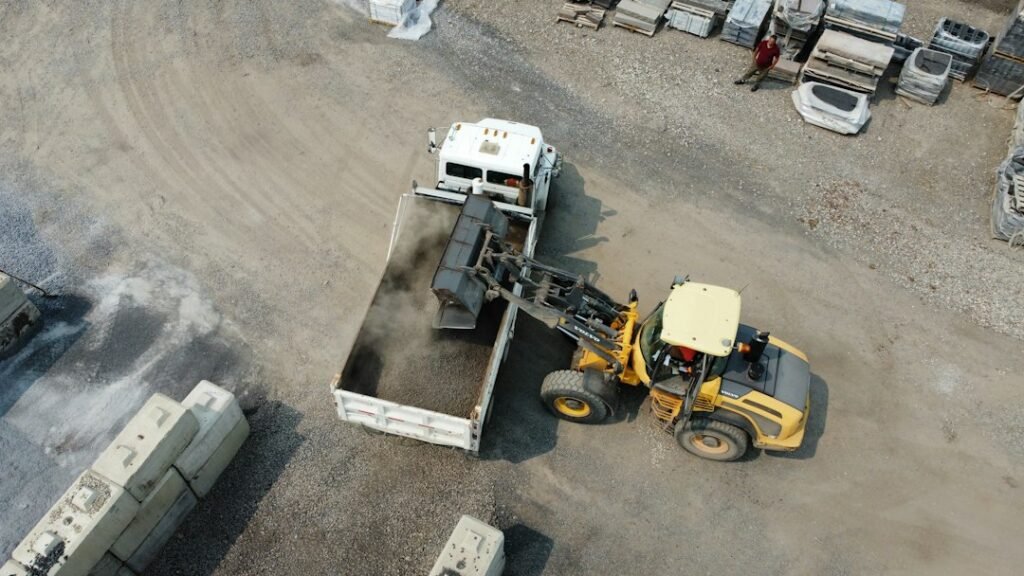
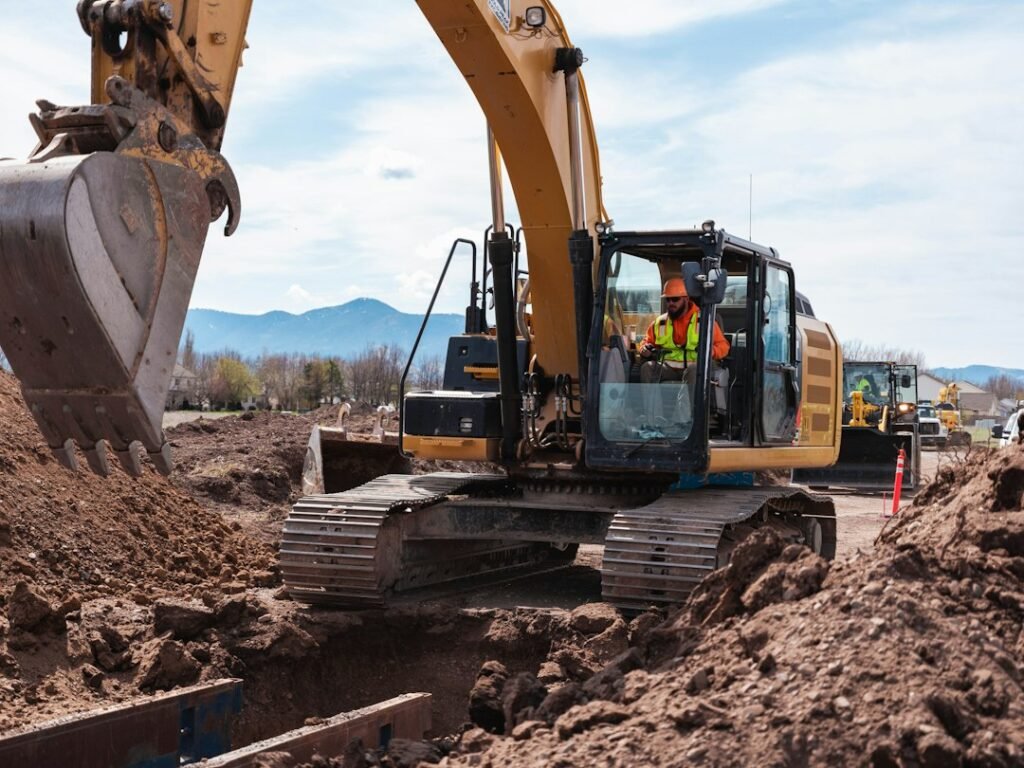
As you scale up from a compact 500-square-foot courtyard to a sprawling 5,000-square-foot suburban lawn, economies of scale sometimes come into play for bulk material delivery, but labor hours scale linearly or even exponentially if specialized heavy machinery is required to navigate tight side gates or uneven slopes. For example, a 500-square-foot yard can often be cleared and prepped by a two-person crew using wheelbarrows and hand tools within a single day. Conversely, a 5,000-square-foot lot requires motorized skid steers, mini excavators, and dump trailers, which introduces equipment rental fees and higher skilled operator labor costs.
Furthermore, logistics play a massive role when project sites are hard to reach. If a landscaping crew cannot park a dump truck or skid steer near your backyard due to narrow side yards, overhead power lines, or steep retaining walls, all materials must be carted in by hand or via specialized buggy equipment. This manual hauling adds valuable labor hours, which directly inflates the final invoice regardless of the total square footage being treated.
Cost by Material and Feature Type
Your choice of materials defines both the aesthetic appeal and the long-term maintenance requirements of your yard. Balancing hardscape and softscape elements requires careful consideration of upfront costs versus durability. Different features serve different lifestyle needs, and understanding how each category affects your overall budget ensures you do not run out of funds halfway through your project.
Softscaping: Lawns, Plants, and Trees

Softscaping covers all the living elements of your landscape, including turf, flower beds, shrubs, hedges, and trees. Installing sod typically costs between $0.80 and $2.00 per square foot, while hydroseeding ranges from $0.10 to $0.30 per square foot. Softscaping offers several key advantages:
- Instant transformation with immediate curb appeal
- Softer surface for children and pets to play on
- Natural cooling effect around the perimeter of the home
The main trade-off with softscaping is ongoing maintenance. Lawns and plants require regular watering, mowing, fertilization, and occasional pest control, leading to recurring annual costs. Furthermore, choice of plant species significantly impacts your water bill; opting for drought-tolerant native plants or xeriscaping can reduce irrigation requirements by up to 70% compared to traditional turf grass.
Hardscaping: Patios, Walkways, and Retaining Walls
Hardscaping anchors your yard with non-living structures like patios, pavers, decks, pergolas, and retaining walls. Paver patios generally run from $12 to $25 per square foot installed, while poured concrete ranges from $8 to $18 per square foot. Natural stone options, such as flagstone or bluestone, sit at the high end of the market, frequently ranging from $20 to $40 per square foot installed due to the intensive hand-chiseling and fitting required by skilled masons.
Also Read:
- How Much Does a Concrete Patio Cost in 2026? Pricing, Labor & Materials
- How Much Does a Home Renovation Cost in 2026? Complete Price Guide
- New Construction vs Renovation Cost: What’s the Difference in 2026?
- How to Estimate Construction Costs for a New Home
- Building Material Cost vs Labor Cost: What You Should Budget
- Creates functional outdoor living spaces for dining and relaxing
- Eliminates mud and reduces high-maintenance lawn areas
- Significantly increases structural longevity and property value
The primary downside is the steep upfront cost. Mistakes in hardscape installation, such as improper base compaction or failing to establish correct drainage slopes, can lead to costly shifting, settling, and cracking down the road. High-quality hardscaping requires excavating 6 to 12 inches of native soil, laying down a geotextile fabric, adding layers of crushed aggregate base, compacting it thoroughly with a mechanical plate compactor, and bedding the pavers in coarse sand before joint stabilization.
| Material / Feature | Typical Cost Level | Maintenance | Key Considerations |
|---|---|---|---|
| Sod Lawn | Moderate | High (Mowing/Water) | Requires immediate watering to establish roots. |
| Paver Patio | High | Low | Prone to weed growth between joints if not sealed. |
| Retaining Wall | High | Very Low | Crucial for erosion control on slopes; requires permits over certain heights. |
| Mulch / Flower Beds | Low | Moderate | Needs annual replenishment to suppress weeds. |
What Makes Up the Total Cost of Landscaping?

Breaking down a professional landscape invoice reveals several distinct cost components that go far beyond buying plants at a local nursery. Understanding these line items helps you negotiate effectively and spot overpriced estimates.
Design and Planning Fees
Professional landscape designers or landscape architects charge anywhere from $500 for a basic hand-drawn sketch to $5,000 or more for comprehensive 3D renderings, master grading plans, and planting schedules. Many design firms credit this fee back to you if you hire them to execute the installation. Investing in a professional design prevents costly layout mistakes, ensuring that plants have adequate sunlight, patios drain correctly, and traffic flows logically from your indoor living spaces to your outdoor zones.
Site Preparation and Grading
Before a single plant goes into the ground, the site must be cleared, graded, and leveled. Heavy brush removal, tree stump grinding, and earthmoving add $1,000 to $5,000 depending on the severity of the slope and the presence of obstacles. Proper grading is critical; if water flows toward your foundation instead of away from it, you risk severe basement water infiltration and foundation settling.
Labor and Equipment Rental
Labor typically accounts for 50% to 70% of a total landscaping quote. Crews must operate excavators, skid steers, and compactors, especially when installing heavy hardscapes or drainage systems. Hourly rates for landscaping laborers generally range from $25 to $50 per hour, while specialized crew leads or certified stone masons command $60 to $100+ per hour.
Hidden or Additional Costs to Anticipate
Unforeseen site conditions can quickly derail an amateur budget. Always set aside a 15% to 20% contingency fund for unexpected expenses.
- Underground utilities: Hitting unmarked gas, water, or electrical lines during excavation results in expensive emergency repairs and project delays. Always call 811 before digging.
- Drainage remediation: If your yard pools water after heavy rains, installing French drains, catch basins, or dry creek beds adds $2,000 to $5,000 to the project.
- HOA approvals: Many homeowners associations charge review fees and require strict adherence to plant species lists and fence heights, which can restrict material choices and drive up costs.
- Irrigation installation: Adding an automated sprinkler system with smart weather-based controllers typically costs $2,500 to $5,000 depending on the zone count and property size, which is often omitted from basic softscape quotes.
- Landscape lighting: Low-voltage LED path and accent lighting systems run between $2,000 and $4,500, transforming your yard at night but adding a significant upfront equipment and wiring expense.
Common Mistakes to Avoid
Avoiding common planning errors saves you from throwing money away on unsuccessful installations and perpetual maintenance headaches.
- Skipping soil tests: Planting expensive shrubs in compacted, nutrient-deficient soil without amending it first leads to widespread plant failure.
- Ignoring sun and shade patterns: Forcing sun-loving plants into heavily shaded corners results in weak growth and wasted investment.
- Failing to plan for drainage: Directing patio runoff toward your home foundation causes basement leaks and structural damage over time.
- Overplanting: Placing young shrubs too close together or too close to structures creates dense thickets that block windows and require aggressive, constant pruning within just two or three years.
- Choosing the cheapest quote: Selecting a contractor solely because they submitted the lowest bid often results in cut corners, substandard sub-base preparation for hardscapes, and zero warranty on plant survival.
How to Lower the Cost of Landscaping

You do not need an unlimited budget to achieve a polished, professional look. Strategic choices can drastically reduce your financial outlay without compromising your yard’s final appearance.
- Phase your project. Break the master design into manageable stages—such as tackling the front yard in spring and the backyard patio the following year—to spread out expenses.
- Choose smaller plant sizes. Buying one-gallon perennials and shrubs instead of mature five-gallon or fifteen-gallon specimens cuts plant material costs by half while allowing them to adapt to your soil faster.
- Do the prep work yourself. Save on costly labor hours by handling weed pulling, old mulch removal, and minor brush clearing on your own before the contractor arrives.
- Opt for simpler materials. Use crushed gravel for secondary pathways instead of interlocking pavers, and choose poured concrete over intricate natural flagstone.
- Plant during shoulder seasons. Purchasing plants and hiring contractors in early spring or late autumn often yields promotional discounts and better labor availability than peak summer months.
Step-by-Step Guide to Planning Your Landscaping Project
Approaching an outdoor renovation methodically ensures that you stay on schedule, protect your budget, and achieve the exact aesthetic you envision. Follow this comprehensive step-by-step roadmap to take your project from a vague idea to a completed sanctuary.
Step 1: Define Your Functional Goals and Lifestyle Needs
Before looking at design magazines or material catalogs, sit down with all household members and list how you intend to use the space. Do you need a safe grassy area for children and dogs, a large dining patio for hosting summer dinner parties, a private reading nook surrounded by fragrant flora, or a dedicated vegetable garden? Prioritize these desires so you can allocate your budget toward features you will actually use daily.
Step 2: Map Your Property and Assess Environmental Conditions
Walk your yard with a measuring tape and graph paper to sketch a basic map of your property boundaries, existing structures, mature trees you want to keep, and utility access points. Observe how sunlight hits different corners of your yard at various times of day. Note which areas bake in the afternoon sun and which remain in deep shadow. Take note of low-lying areas where water puddles after heavy rainstorms.
Step 3: Establish a Realistic Budget and Contingency Fund
Determine how much capital you can comfortably invest in your landscape without straining your finances. Once you have a target figure, deduct 15% to 20% for an unexpected contingency fund to cover buried boulders, drainage issues, or utility line rerouting. Never allocate 100% of your available funds to the initial contractor bid, as unforeseen site surprises are standard in outdoor excavation.
Step 4: Develop or Commission a Master Plan
Decide whether you will design the yard yourself or hire a professional landscape designer. A master plan acts as your blueprint, preventing piecemeal improvements that clash stylistically and ensuring that underground utilities, drainage pipes, and electrical conduits for lighting are installed in the correct sequence before surface materials go down.
Step 5: Vet and Hire Licensed Contractors
Contact at least three local, licensed, and insured landscape construction companies. Request references, review their portfolios of completed projects in your area, and verify their licensing status with your state contractor board. Ask for itemized bids that break down design fees, demolition, soil prep, labor, materials, permits, and tax. Compare the bids carefully, making sure each contractor is quoting apples-to-apples specifications.
Step 6: Secure Necessary Permits and HOA Approvals
Before any heavy machinery rolls onto your property, submit your master plan to your local building department and your homeowners association if applicable. Building permits are typically required for retaining walls over a certain height, extensive electrical trenching, gas line installation for fire pits, and large permanent structures like pergolas or outdoor kitchens. Skipping this step can result in heavy stop-work fines or forced demolition of completed work.
Step 7: Oversee Installation and Schedule Maintenance
Maintain open communication with your contractor throughout the construction phase. Inspect the sub-base compaction before pavers are laid and verify that drainage slopes pitch water safely away from your home foundation. Once installation is complete, walk the property with the lead contractor to sign off on the punch list, obtain your plant warranties, and set up a schedule for initial watering, fertilization, and long-term maintenance.
How to Get an Accurate Landscaping Estimate
Gathering precise bids requires clear preparation. Before reaching out to local landscape contractors, create a sketch of your property with rough dimensions, note your functional goals such as a play area, patio, or privacy screening, and establish a firm budget range.
Contact at least three licensed and insured contractors for in-person consultations. Ask to see portfolios of similar projects, verify their licensing status with your state contractor board, and request itemized bids that separate design fees, labor, materials, and tax. For a preliminary planning estimate, BuildCost.online’s Landscaping & Lawn calculator can help you cross-reference contractor bids against regional averages, ensuring you get a fair market rate for your outdoor transformation in 2026.
Frequently Asked Questions
What is the average cost for a basic front yard landscaping project?
A basic front yard landscaping project typically ranges from $1,500 to $3,500. This usually includes updating mulch beds, planting a few shrubs or perennials, and laying down fresh sod or overseeding the existing lawn.
How much does a paver patio cost to install?
Paver patios generally cost between $12 and $25 per square foot installed, depending on the choice of concrete pavers versus natural stone, as well as the complexity of the sub-base excavation.
Does landscaping increase property value?
Yes, professional landscaping can yield a strong return on investment, often increasing home resale value by 10% to 15% and boosting curb appeal significantly in competitive real estate markets.
How long does a complete professional landscaping project take?
Most residential landscaping projects take between 3 days and 2 weeks to complete on-site, depending on the scale of hardscaping, earthmoving, and planting required.
Are permits required for landscaping work?
Permits are generally not required for standard planting, turf installation, or low garden walls under a certain height. However, retaining walls over 3 to 4 feet, electrical lighting systems, and major grading changes often require local permits.
What is the cheapest way to landscape a yard?
The cheapest approach is DIY softscaping, such as seeding your own lawn from scratch, planting perennial flowers from small containers, laying bulk mulch yourself, and using inexpensive gravel for simple walkways.
Final Takeaway
Transforming your outdoor space requires a clear financial plan, realistic material expectations, and an understanding of local site conditions. Whether you are executing a minor front yard update or a complete backyard renovation, careful budgeting ensures you get the most value for your investment.
- Minor yard refreshes generally cost between $1,500 and $3,500.
- Moderate backyard transformations range from $5,000 to $15,000.
- Full property overhauls with extensive hardscaping start at $20,000 and can exceed $50,000.
Labor rates, grading complexity, and material selection remain the primary drivers of total project cost. To refine your budget before talking to contractors, we recommend utilizing BuildCost.online’s Landscaping Cost Calculator alongside getting multiple local bids.
Planning estimates vary by location, supplier, and site conditions and should be verified locally.