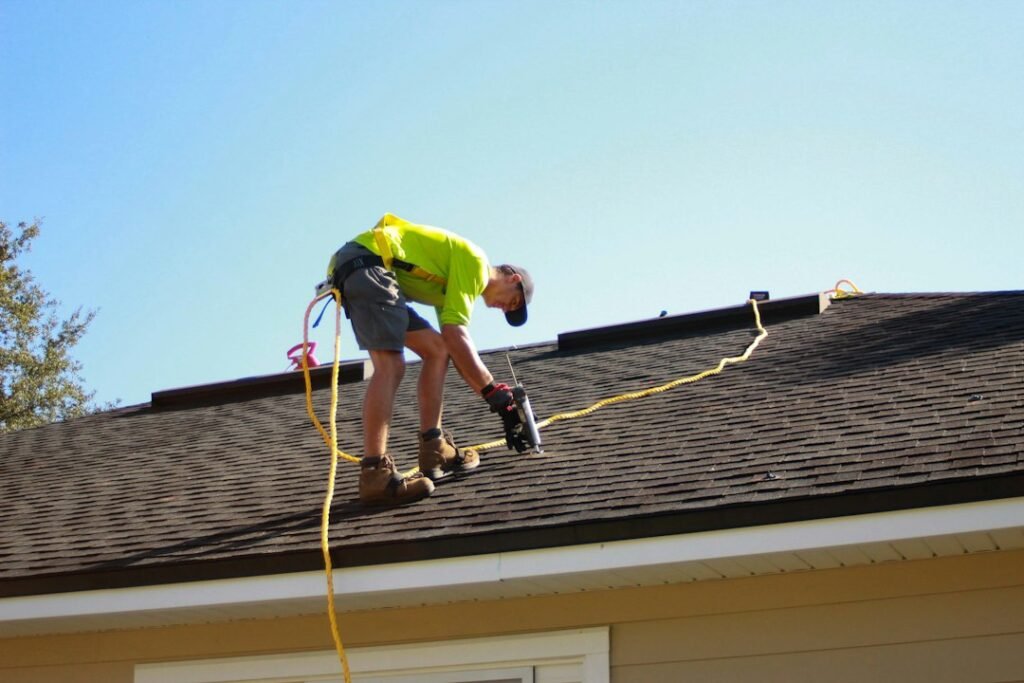
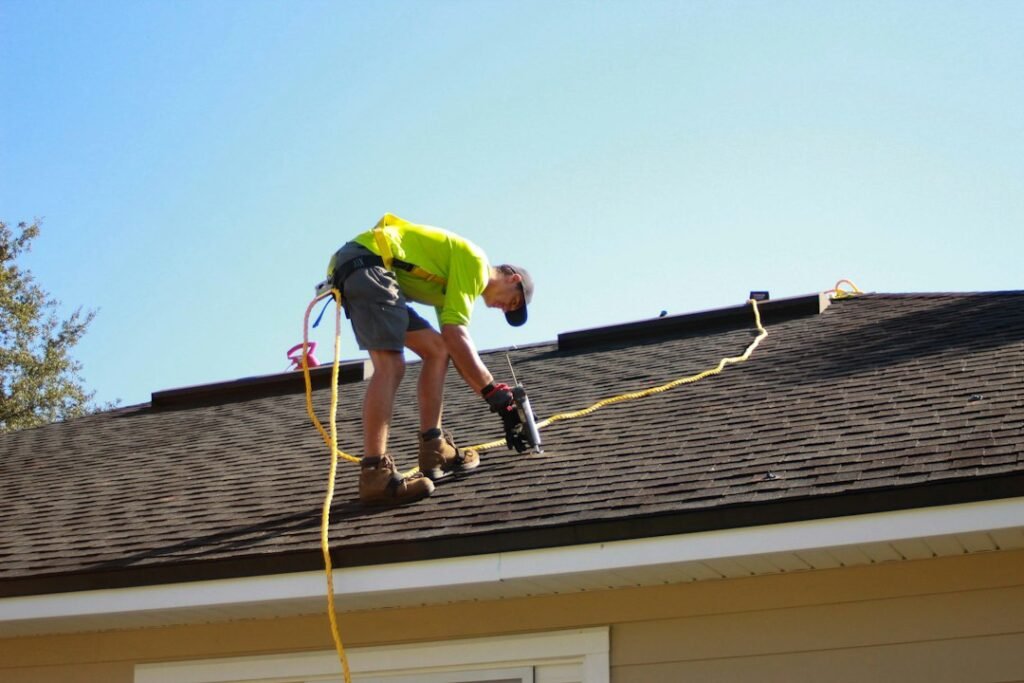
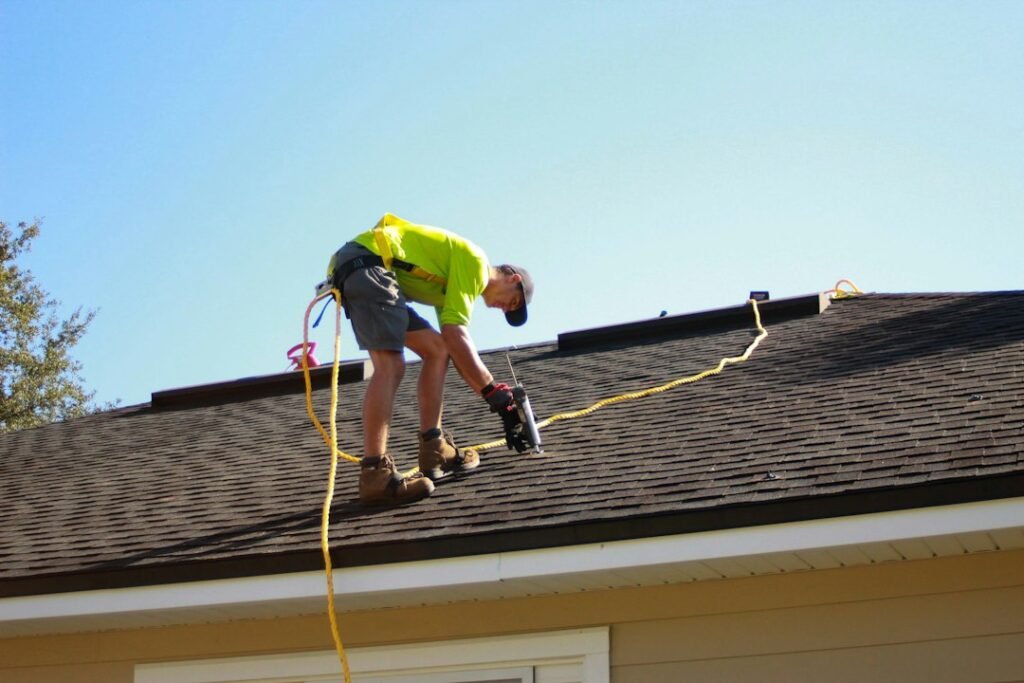
Introduction to Roofing Investments
You are likely looking up roofing estimates because you noticed a leak, missing shingles, or simply realize your roof is reaching the end of its lifespan. Whatever the prompt, managing a major home improvement project starts with understanding realistic market rates. So, how much does a roof cost in 2026?
A typical roof replacement in the United States costs between $5,500 and $18,000 for an average-sized single-family home of 2,000 square feet. On a per-square-foot basis, most homeowners pay between $3.50 and $15.00 installed, depending heavily on material choices, roof pitch, local labor rates, and whether old layers must be torn off.
Prices fluctuate based on the complexity of your roof design, geographic location, and fluctuating raw material supply chains. To help you budget accurately, you can use our Roof Replacement Cost Calculator to tailor figures to your exact square footage and local labor rates. Let us break down how these numbers come together.
How Much Does a Roof Cost in 2026?

Roofing costs are most commonly calculated by the “square,” where one square equals 100 square feet of roof area. When evaluating estimates, remember that these are planning ranges, not guaranteed contractor quotes. Total pricing is pushed toward the lower end by simple gable roofs and standard architectural shingles, while steep pitches, complex valleys, and premium materials drive costs toward the higher end.
| House Size (Sq. Ft.) | Roof Area (Squares) | Estimated Cost Range | Average Cost per Sq. Ft. |
|---|---|---|---|
| 1,500 sq. ft. | 15 squares | $4,500 – $13,500 | $3.00 – $9.00 |
| 2,000 sq. ft. | 20 squares | $6,000 – $18,000 | $3.50 – $10.00 |
| 2,500 sq. ft. | 25 squares | $7,500 – $24,000 | $4.00 – $12.00 |
| 3,000 sq. ft. | 30 squares | $9,000 – $30,000 | $4.50 – $13.00 |
| 3,500 sq. ft. | 35 squares | $10,500 – $36,000 | $5.00 – $14.00 |
Estimated Roof Cost by House Size
Chart note: Estimated total planning ranges for complete roof replacement based on home square footage.
Keep in mind that total roof surface area is always larger than your home’s footprint due to the pitch (slope) and roof overhangs. If you need to determine your exact surface dimensions before gathering contractor bids, you can calculate your dimensions with our Roof Area Calculator to ensure your numbers match up.
Try Our Free Calculators:
Cost by Material Type
Asphalt Shingles
Asphalt shingles remain the most popular roofing material in North America due to their affordable upfront price and straightforward installation process. They offer reliable weather protection and come in standard 3-tab or thicker architectural styles. The trade-off is a shorter lifespan compared to metal or tile, typically lasting 20 to 30 years.
- Affordability: Lowest initial material and installation cost among all standard options.
- Versatility: Readily available in dozens of colors and profiles to match any home exterior.
- Easy Repairs: Damaged shingles can be swapped out quickly by most local contractors.
Metal Roofing

Metal roofing, available in standing seam panels or stamped metal shingles, delivers exceptional durability against high winds, heavy snow, and hail. While the initial investment is considerably higher than asphalt, a metal roof can last 50 years or more with minimal maintenance. The primary trade-off is the steep upfront cost and specialized labor required for installation.
- Longevity: Outlasts traditional shingle systems by decades.
- Energy Efficiency: Reflects solar radiant heat, lowering cooling bills in warm climates.
- Weather Resistance: Highly resilient against severe storms and fire hazards.
Tile and Slate
Clay, concrete, and natural slate tiles provide an upscale architectural appearance with unmatched longevity, often lasting over a century. However, these materials are extremely heavy, which frequently requires reinforcing the underlying roof framing before installation. The trade-off is exceptionally high material costs, fragile individual tiles if walked on improperly, and demanding installation labor.
- Aesthetic Appeal: Distinctive, premium look popular in Spanish, Mediterranean, and historic homes.
- Fire Resistance: Naturally non-combustible materials providing top-tier fire ratings.
- Durability: Highly resistant to rot, insects, and extreme weathering.
| Material | Typical Cost Level | Maintenance | Key Considerations |
|---|---|---|---|
| 3-Tab Asphalt Shingles | Low ($3.50 – $5.50 / sq. ft.) | Low | Standard lifespan, sensitive to high winds |
| Architectural Shingles | Moderate ($5.00 – $8.00 / sq. ft.) | Low | Better wind resistance, textured aesthetic |
| Standing Seam Metal | High ($9.00 – $16.00 / sq. ft.) | Very Low | Requires specialized labor, long lifespan |
| Clay or Concrete Tile | Very High ($11.00 – $22.00 / sq. ft.) | Moderate | Heavy weight requires structural roof inspection |
| Natural Slate | Premium ($16.00 – $30.00 / sq. ft.) | Low | Extremely durable, high framing requirements |
What Makes Up the Cost of a Roof?

Labor and Crew Rates
Labor typically accounts for 40% to 60% of your total roof replacement quote. Professional roofing crews charge based on project complexity, crew size, and regional labor markets. Steep pitches, multiple stories, and intricate roof geometry require extra safety gear and slow down installation, which increases labor totals.
Tear-Off and Disposal
Removing old roofing materials is a messy, labor-intensive job. Most building codes permit a maximum of two shingle layers before a complete tear-off is legally required. Disposal involves dumpster rental fees and local landfill dumping charges, which usually add $1,000 to $3,000 to the overall project cost depending on your home size.
Also Read:
Underlayment and Decking
Beneath your shingles lies the roof deck—usually plywood or oriented strand board (OSB)—and a water-resistant underlayment. If contractors find rotted, water-damaged, or sagging plywood during the tear-off, those panels must be replaced at roughly $75 to $125 per sheet for materials and labor. High-performance synthetic underlayments and ice-and-water shields add extra upfront protection in colder climates.
Understanding Labor and Component Details
When reviewing itemized contractor estimates, you will notice various components that ensure your roof performs correctly over decades. Flashing around chimneys, skylights, and vent pipes prevents water intrusion at vulnerable roof joints. Ridge vents and soffit vents create necessary attic airflow to prevent moisture buildup and ice dams.
If you are planning a more comprehensive exterior overhaul or want to cross-reference labor rates against material expenditures, you can run a quick check using our Material Cost Calculator to see how raw material pricing impacts your contractor’s bid.
Hypothetical Scenario: Replacing a 2,000 Sq. Ft. Architectural Shingle Roof

To visualize how these costs compound in a real-world scenario, consider an illustrative project for a standard 2,000-square-foot ranch-style home (approximately 22 roofing squares, factoring in pitch and overhangs) in the Midwest using architectural asphalt shingles.
| Project Component | Estimated Cost |
|---|---|
| Tear-Off and Old Material Disposal | $2,200 |
| Plywood Decking Repairs (Estimated 3 sheets) | $350 |
| Architectural Shingles and Starter Strips | $3,850 |
| Synthetic Underlayment and Ice Shield | $950 |
| Flashing, Drip Edge, and Vents | $650 |
| Installation Labor | $5,000 |
| Total Estimated Project Cost | $13,000 |
Hidden or Additional Costs to Anticipate
Unexpected expenses can pop up once old materials are stripped away and the roof deck is exposed. Factoring these potential line items into your initial planning budget prevents unpleasant surprises.
- Rotted Decking Replacement: Hidden water leaks often cause structural rot in plywood sheathing that cannot be assessed until shingles are removed.
- Permit and Inspection Fees: Most local municipalities require a building permit for roof replacements, ranging from $150 to $500.
- Chimney Re-flashing: Old metal flashing around brick chimneys frequently needs complete replacement rather than patching.
- Gutter Replacement: If existing gutters are damaged or worn out, coordinating their replacement alongside the roof saves labor down the road.
- Complex Roof Features: Skylight replacements, turret sections, and multiple roof intersections require specialized flashing kits and extra labor hours.
Geographic Variations and Regional Cost Factors
Where your home is located plays a massive role in determining your final roofing bill. Labor markets vary drastically between metropolitan areas and rural towns. For example, a roofing crew in a high-cost coastal city may charge double the hourly rate of a crew working in a smaller Midwestern town.
Furthermore, regional weather patterns dictate material requirements. Homes in northern climates require heavy-duty ice-and-water shields and robust ridge ventilation systems to combat heavy snowfall and ice damming. Conversely, homes in hurricane-prone coastal zones require high-wind-rated shingles and specialized mechanical fasteners to pass strict municipal building codes. Always verify that your contractor’s estimate complies fully with your local structural and energy codes.
Step-by-Step Roof Replacement Process
Understanding the standard timeline and workflow of a professional roof installation helps you prepare your property and household for the disruption. Most residential roof replacements are completed in one to three days, depending on project scope.
- Preparation and Property Protection: Crews arrive, set up safety harnesses, and drape tarps over landscaping, windows, and exterior AC units to catch falling debris.
- Tear-Off and Debris Removal: Workers strip away old shingles, felt paper, and base flashings down to the bare wooden roof deck, tossing material straight into disposal dumpsters.
- Deck Inspection and Repairs: The contractor inspects the exposed plywood or OSB sheets, replacing any water-damaged, warped, or rotted panels.
- Underlayment and Flashing Installation: A waterproof ice-and-water shield is rolled out along eaves and valleys, followed by synthetic underlayment across the remaining deck and new metal drip edges.
- Shingle and Vent Installation: Starter strips are laid, followed by field shingles installed from the bottom up, integrated with pipe boots, chimney flashing, and ridge vents.
- Final Cleanup and Magnet Sweep: Crews use magnetic rollers to sweep the yard and driveway for stray roofing nails, clearing away all leftover packaging and debris before final walk-through.
Common Mistakes to Avoid
Homeowners undertaking a roof replacement often make avoidable missteps that compromise quality or inflate expenses. Keep these pitfalls in mind.
- Choosing the lowest bid blindly: Unusually low quotes often indicate a lack of proper licensing, skipped building code requirements, or poor-quality materials.
- Neglecting proper ventilation: Ignoring attic airflow requirements can void shingle warranties and cause premature heat buildup and moisture damage.
- Skipping the inspection permit: Failing to pull required local building permits can create legal headaches when you try to sell your home later.
- Overlooking warranty details: Always clarify whether your warranty covers both manufacturer material defects and contractor workmanship.
How to Lower the Cost of a Roof Replacement
If professional bids come in higher than expected, you can utilize several practical strategies to bring the project closer to your target budget.
- Schedule during off-peak seasons: Contractors are often more willing to negotiate rates during late autumn or early winter before the busy spring rush.
- Choose standard asphalt shingles: Opting for standard architectural shingles instead of premium designer profiles drastically reduces material expenses.
- Overlay instead of full tear-off: If local codes allow and your current roof only has one layer, installing new shingles directly over the old ones saves tear-off and disposal fees (though this shortens total system lifespan).
- Handle cleanup yourself: Ask if you can save on labor costs by managing the old material cleanup or renting your own disposal dumpster.
How to Get an Accurate Roof Estimate
Gathering reliable contractor bids requires preparation. Before inviting local roofers to inspect your home, collect these details to ensure accurate quotes.
- Know your approximate roof square footage or pitch if possible.
- Check the age and condition of your current roof layers.
- Ask for a minimum of three written, itemized estimates from licensed, insured local contractors.
- Verify that each quote explicitly includes tear-off, disposal, underlayment, flashing, ventilation, and permits.
Frequently Asked Questions
How long does a standard roof replacement take?
Most standard residential roof replacements take between one to three days to complete, depending on weather conditions, the size of the home, and the chosen material. Complex slate or tile roofs may take up to a week.
Should I repair or replace my roof?
If your roof is less than 15 years old and damage is isolated to a small area, repairs are usually sufficient. If your roof is over 20 years old, has widespread shingle curling, or exhibits sagging decking, a full replacement is generally the safer financial choice.
Does homeowners insurance cover a roof replacement?
Homeowners insurance typically covers roof damage caused by sudden acts of nature like severe storms, hail, or falling trees. It almost never covers normal wear and tear or aging deterioration.
Can I install a new layer of shingles over my old roof?
Overlays are possible if your roof has only one existing layer of asphalt shingles and the decking is structurally sound. However, most contractors recommend a complete tear-off to inspect underlying wood and ensure a longer-lasting installation.
What is a roofing square?
In the roofing industry, a square is a unit of measurement equal to 100 square feet of surface area. Contractors price materials and labor based on how many squares your total roof surface requires.
Do I need a building permit to replace my roof?
Yes, almost all local building departments in the United States require a permit for a full roof replacement to ensure building code compliance and safety standards are met.
Final Takeaway
Replacing your roof is a major capital investment that directly protects your home’s structural integrity and resale value. Planning ahead with realistic financial buffers ensures you can handle unexpected issues like rotted plywood decking without stress.
- Standard cost range: Most homeowners spend between $5,500 and $18,000 for a typical 2,000-square-foot roof.
- Primary cost drivers: Material choice, roof pitch, local labor rates, and tear-off requirements dictate your final total.
- Planning rule: Always collect multiple written bids and verify that permits and warranties are included.
Before contacting local contractors, utilize BuildCost.online’s Roof Replacement Cost Calculator and Roof Area Calculator to get reliable preliminary numbers. Estimates vary by location, supplier and site conditions and should be verified locally.