How Much Does Painting Cost in 2026?

National planning figures indicate that standard painting projects span a broad spectrum based on scope and location. Painting a single average-sized room generally costs between $350 and $900, while a whole-house interior runs from $2,000 to $6,000 depending on ceiling height and trim complexity. Exterior painting for a typical single-family home ranges from $3,000 to $7,000.
These numbers represent regional planning estimates rather than guaranteed contractor bids. Local labor shortages, seasonal demand, and travel distances can push prices toward the high end. Conversely, straightforward spaces with minimal prep work tend to land on the lower end of the spectrum.
| Project Scope | Estimated Cost Range | Average Cost per Sq. Ft. |
|---|---|---|
| Single Room (Walls Only) | $350 – $900 | $2.00 – $4.00 |
| Full Interior (Average Home) | $1,800 – $4,500 | $2.00 – $5.00 |
| Exterior (Single Story) | $2,500 – $5,000 | $1.50 – $3.50 |
| Exterior (Two Story) | $4,000 – $9,000 | $2.50 – $5.50 |
| Kitchen Cabinets | $2,000 – $5,500 | $50 – $150 per door |
Estimated Painting Cost by Project Scope
Chart note: Estimated total project costs for professional labor and materials across various residential painting scopes.
Keep in mind that these figures assume standard drywall surfaces in fair condition. If your home requires extensive lead paint remediation, wood rot repair, or plaster patching, expect additional line items on your estimate.
Understanding Painting Cost Per Square Foot

Breaking costs down by square footage is the standard method contractors use to formulate initial estimates. To calculate this, you multiply the perimeter of the room by its ceiling height to get total wall area, then subtract doors and windows. For example, a room with 400 square feet of wall space multiplied by an average labor and material rate of $3.50 per square foot yields a projected total of $1,400.
Unit pricing serves as a helpful comparison tool, but it should never replace a physical walk-through. Complex architectural details like vaulted ceilings, crown molding, and built-in shelving require tedious hand-cutting that drives up the effective per-square-foot rate. Always clarify what is included in the baseline measurement.
Ask specifically whether the quote includes:
- Surface preparation, patching, and sanding
- Primer application and second topcoats
- Trim, baseboard, and door painting
- Ceiling painting and textured surface work
- Post-project cleanup and debris removal
Interior Painting Cost Breakdown

Interior painting projects involve varying degrees of labor depending on the room type and functional requirements. High-moisture areas like kitchens and bathrooms require specialized moisture-resistant paints, while high-traffic hallways demand scrubrable finishes that cost slightly more per gallon.
Walls and Ceilings
Painting walls generally forms the core of an interior budget, priced between $1.50 and $3.00 per square foot for labor and materials. Ceilings add another $1.00 to $2.50 per square foot. Flat paint is standard for ceilings to hide imperfections, while walls typically utilize eggshell, satin, or semi-gloss finishes.
Trim, Doors, and Moldings
Detailed millwork requires precise brushwork and durable oil-based or high-grade waterborne alkyd paints. Contractors usually price doors at $75 to $200 each and baseboards at $1.00 to $3.00 per linear foot. This meticulous work often represents a significant portion of the total interior labor bill.
| Interior Surface | Typical Cost Level | Maintenance | Key Considerations |
|---|---|---|---|
| Walls (Standard) | Low to Moderate | Easy to Clean | Choose finish based on room traffic |
| Ceilings | Low | Low | Flat paint minimizes light reflection |
| Trim and Doors | High | Moderate | Requires durable enamel to resist chipping |
| Cabinets | Very High | Low | Demands extensive prep and spraying equipment |
Exterior House Painting Costs

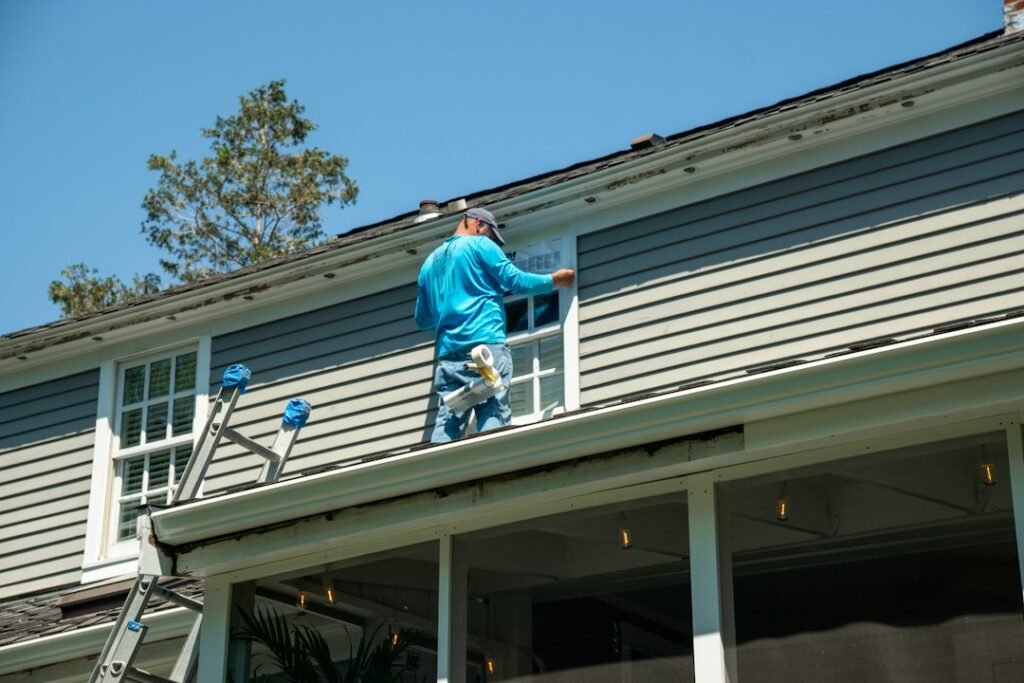
Exterior painting protects your home from weather elements while boosting curb appeal. Because exterior jobs require specialized safety equipment, power washing, scraping, and weather-dependent scheduling, they command different pricing structures than interior work.
Siding Materials and Prep
Different siding materials absorb paint differently and require specific priming agents. Wood siding demands intensive scraping and priming, while vinyl or aluminum siding requires specialized bonding primers. Stucco requires elastomeric coatings to bridge hairline cracks, which increases material expenses.
Height and Accessibility
Single-story ramblers are inexpensive to paint compared to multi-story colonial homes. Scaffolding rentals, ladder work, and safety harnesses add labor hours and equipment fees. Homes surrounded by dense landscaping or tight lot lines also require extra setup time.
Try Our Free Calculators:
Material Costs: Paint, Primer, and Supplies

Quality paint directly impacts the longevity and appearance of your finish. Cheap paint requires three or more coats to achieve proper coverage, negating any initial savings on material costs. Premium architectural paints cost between $50 and $90 per gallon, while specialty elastomeric or masonry paints exceed $100 per gallon.
Sundries and tools add up quickly if you are managing a DIY project. Drop cloths, painter’s tape, rollers, brushes, extension poles, and sandpaper typically add $150 to $400 to your supply budget. Using a painting cost calculator helps factor these auxiliary material expenses into your overall budget plan.
Labor Rates and Contractor Pricing Structures
Labor accounts for roughly 70 to 80 percent of a professional painting contractor’s total quote. Painters generally charge between $25 and $65 per hour per worker, or flat day rates ranging from $200 to $500 per painter. Larger commercial crews command higher daily minimums but finish multi-day projects much faster.
Several factors drive labor rates higher:
- High ceilings and stairwells. Working at heights requires ladders, staging, and scaffolding, slowing down production speed.
- Extensive damage repair. Extensive drywall patching, nail-pop repairs, and wallpaper removal add hours of labor before a brush touches the wall.
- Color transitions. Covering dark, saturated colors with light neutrals requires tinted primers and multiple topcoats.
- Intricate detailing. Homes with heavy Victorian trim, wainscoting, or multiple paint colors per room require meticulous masking and cutting in.
Hidden and Additional Costs to Anticipate
Unforeseen expenses can derail a home improvement budget if you fail to plan for them. Lead-based paint testing and abatement is mandatory for homes built before 1978, adding substantial specialized labor costs. Rotten wood replacement on exterior trim must be completed before painting begins, usually billed at hourly carpentry rates.
Permits are rarely required for standard residential repainting, but historical districts often enforce strict color palette guidelines and architectural review fees. Moving heavy furniture or delicate artwork can also incur fees if you hire the painting crew to handle your household belongings.
DIY vs. Professional Painting: Cost and Effort
Tackling a painting project yourself eliminates labor costs, leaving you responsible only for paint, primer, and sundries. For a 2,000-square-foot interior, DIY material costs might total $600 to $1,200 compared to $4,000 for professional execution. However, consider the massive time commitment involved.
A professional crew can complete a whole-house interior in three to five days, whereas a DIYer working weekends might spend several weeks living in construction chaos. Poor brush technique, roller marks, and sloppy cut-in lines are common pitfalls that compromise the final aesthetic result.
Common Mistakes to Avoid
Avoiding critical errors saves you time, money, and frustration during your painting project. Watch out for these frequent pitfalls:
- Skipping the cleaning step. Painting over dust, grease, or chalky residue prevents proper adhesion, leading to peeling paint down the road.
- Choosing the wrong sheen. Using flat paint in a high-traffic hallway or high-gloss paint on uneven walls highlights flaws and frustrates cleaners.
- Skimping on primer. Failing to use a dedicated tinted primer when covering dark colors results in bleeding and uneven coverage.
- Rushing cure times. Applying a second coat before the first coat is fully dry pulls the underlying layer away from the wall.
How to Lower the Cost of Your Painting Project
You can manage your painting expenses effectively without sacrificing quality by implementing strategic cost-saving measures.
- Do the prep work yourself. Save significant labor charges by handling furniture moving, wall washing, and minor patching before the crew arrives.
- Limit the color palette. Keeping wall colors consistent throughout the main living areas reduces cutting-in time and minimizes leftover partial cans of paint.
- Paint during the off-season. Contractors often offer discounted rates during late fall and winter months when exterior work slows down.
- Buy quality paint on sale. Watch for seasonal manufacturer rebates and paint store sales to acquire premium coatings at lower prices.
How to Get an Accurate Painting Estimate
Gathering accurate bids requires clear communication and preparation. Request detailed, itemized quotes from at least three licensed and insured contractors in your area. Ensure each quote specifies the brand and grade of paint, the exact number of coats, and the scope of prep work included.
Also Read:
For preliminary planning before calling local contractors, you can estimate this with our painting cost calculator to establish a realistic financial baseline. Compare these calculated figures against actual contractor proposals to ensure fair pricing for your specific project scope.
Step-by-Step Guide to Using a Painting Cost Calculator Effectively
Using an online estimation tool is straightforward, but feeding it inaccurate inputs yields misleading numbers. To get the most accurate projection from your painting cost calculator, follow a systematic approach that accounts for all physical dimensions and labor variables.
First, measure every surface independently rather than relying on room floor plans. Use a tape measure to determine wall length and multiply by ceiling height. Second, tally up doors and windows so you can subtract their surface area from the gross wall total. Third, input the correct number of coats and select the appropriate substrate material, noting whether the walls are drywall, plaster, or wood paneling.
Finally, factor in your local geographic cost multiplier if the calculator includes one. Metropolitan areas with higher costs of living typically require a 15 to 30 percent upward adjustment to match prevailing contractor labor rates.
Evaluating Exterior Substrates and Their Specific Paint Demands
Different exterior surfaces require specialized coatings and varying amounts of labor during the application process. Understanding what your home is built with helps you interpret contractor bids and use your painting cost calculator accurately.
Wood siding requires meticulous scraping of peeling paint, sanding of rough patches, and application of an oil-based exterior primer before topcoats can adhere correctly. Vinyl siding demands specific acrylic latex formulas that match the color lightness guidelines of the manufacturer to prevent thermal warping. Brick and masonry require breathable, vapor-permeable masonry paints or mineral coatings that prevent moisture entrapment within the porous brick structure.
| Exterior Siding Type | Prep Intensity | Recommended Coating | Special Considerations |
|---|---|---|---|
| Wood Siding | High | Acrylic Latex / Oil Primer | Requires scraping and wood rot repair |
| Aluminum/Vinyl | Low to Moderate | Vinyl-Safe Acrylic Paint | Cannot use dark colors on vinyl |
| Stucco | Moderate to High | Elastomeric Coating | Must bridge hairline cracks |
| Brick/Masonry | Moderate | Masonry Paint / Mineral Stain | Must allow wall to breathe |
Interior Sheen Selection Guide
Choosing the correct paint sheen is critical for durability, aesthetic appeal, and long-term maintenance. Using the wrong finish can force you to repaint prematurely due to cleaning wear or scuffing.
Flat or matte paint offers a non-reflective finish that hides minor wall imperfections, making it ideal for low-traffic ceilings and adult bedrooms. Eggshell and satin provide a subtle, washable sheen suitable for living rooms, dining rooms, and hallways. Semi-gloss and high-gloss offer maximum moisture resistance and cleanability, making them the default choice for kitchen cabinets, baseboards, doors, and bathroom walls.
When budgeting through your painting cost calculator, note that higher-gloss paints often require more careful surface prep because their reflectivity highlights underlying drywall flaws and sanding marks.
Detailed Project Timeline and What to Expect
Knowing the timeline of a professional painting project helps you prepare your household and manage expectations regarding daily disruption.
For a standard interior repaint, a crew of three painters typically follows this schedule: Day one involves moving furniture, masking floors and hardware, and executing drywall repairs and priming. Days two and three consist of spraying or rolling ceilings, cutting in walls, and applying the first topcoat. Day four is dedicated to second coats, trim work, and detailed touch-ups. Day five involves final inspection, cleanup, and furniture placement.
Exterior projects depend heavily on weather conditions. Rain, high humidity, or extreme temperatures will halt exterior work immediately, as moisture prevents proper paint curing and adhesion. Factor potential weather delays into your overall schedule.
Contractor Vetting and Contract Essentials
Securing reliable professionals goes beyond comparing the bottom-line numbers on your quotes. A comprehensive vetting process protects your investment and ensures high execution standards.
Always verify that your contractor holds an active state license, general liability insurance, and workers’ compensation coverage. Ask for references from recent clients with similar project scopes. When you receive the final contract, ensure it details the exact brand and product line of paint, the color codes, the number of coats, the specific prep work included, and a clear payment schedule.
Never pay a contractor payment in full upfront. Standard industry practice requires a deposit of 20 to 30 percent to secure materials and dates, with intermediate milestone draws and final payment due only after a thorough walk-through inspection.
Environmental Factors and Regional Variations in Painting Costs
Geographic location plays a massive role in final painting estimates due to regional wage differentials, shipping logistics, and local environmental regulations. Coastal areas, for instance, subject exterior paint films to high salt spray and moisture, necessitating marine-grade or highly resilient acrylic coatings that increase material budgets by 10 to 20 percent.
In northern climates with short construction seasons, exterior painting contractors experience high demand during warm summer months, driving up labor costs. Conversely, southern regions enjoy extended exterior painting windows, though intense UV exposure requires specialized solar-reflective pigments that resist fading and chalking over time.
Analyzing Lead Paint Regulations and Safe Abatement Protocols
Homes constructed before 1978 often harbor layers of lead-based paint on walls, trim, and exterior siding. Disturbing these legacy coatings during routine sanding or scraping releases toxic dust that poses serious health hazards, particularly to children and pregnant individuals.
Professional contractors who comply with federal lead safety regulations must follow strict containment protocols. This includes sealing off work areas with heavy-duty plastic sheeting, using HEPA-filtered vacuum sanders, and conducting specialized cleanup and disposal procedures. Incorporating lead-safe work practices into your painting cost calculator ensures you are prepared for the mandatory surcharges associated with older housing stock.
Preparing Your Home for the Painting Crew
Taking proactive steps to ready your home before the painting crew arrives minimizes downtime, reduces labor charges, and protects your personal belongings from accidental damage or overspray.
Start by removing all small knickknacks, framed artwork, wall mirrors, and electronic equipment from the designated work zones. Take down window treatments and curtain rods unless the contractor has explicitly agreed to handle them. For interior rooms, pull large furniture pieces toward the center of the space so workers can easily access baseboards and perimeter walls.
If you have pets, arrange for them to stay in a quiet, isolated room or off-site during active painting hours. Loud equipment, strange workers, and open doors can create significant stress for household animals and compromise job site safety.
Understanding Warranties and Post-Paint Maintenance
A reputable painting contractor stands behind their craftsmanship by offering a written workmanship warranty, typically spanning from two to five years. This warranty protects against peeling, blistering, and flaking caused by improper application methods or inadequate surface preparation.
Manufacturer warranties, by contrast, cover the chemical integrity of the paint product itself, ranging from fifteen years to a limited lifetime. To keep these warranties intact and maximize the lifespan of your fresh coat of paint, establish a routine maintenance schedule. Gently wash washable surfaces annually with a mild detergent solution, promptly address minor water leaks before they compromise drywall substrates, and touch up scuffed trim areas with leftover canned paint.
Frequently Asked Questions
How much does it cost to paint a 2,000 square foot house interior?
Painting a 2,000 square foot interior typically ranges from $3,000 to $6,000 for standard walls and ceilings. Pricing varies based on ceiling height, trim complexity, and whether doors and closets are included.
Do painters charge by the hour or square foot?
Most professional contractors quote projects by square footage or total room count rather than hourly rates. When they do charge by the hour, rates generally fall between $25 and $65 per painter.
How many coats of paint do professional painters apply?
Professionals almost always apply one coat of primer followed by two topcoats of paint. Two topcoats ensure uniform color saturation, proper sheen development, and long-lasting durability.
How long does it take to paint the interior of an average house?
A professional crew of two to four painters typically completes an average 2,000 square foot home interior in three to five working days. A DIY homeowner tackling the same space usually requires two to three weekends.
What is the best paint finish for high-traffic hallways?
Satin or semi-gloss finishes work best for high-traffic areas and hallways because they offer high durability and resist scrubbing and scuffing better than flat or matte paints.
Should I buy my own paint for a contractor project?
In most cases, hiring a contractor who supplies the paint is advantageous because they receive contractor discounts and take responsibility if the paint fails. However, you should specify the exact brand and quality grade.
Does exterior painting require local building permits?
Standard exterior repainting does not require building permits unless your home is located within a designated historical district or architectural preservation zone that regulates exterior color palettes.
Final Takeaway
Planning a successful painting project requires balancing your aesthetic goals with realistic financial expectations. By accounting for labor, preparation, and material grades early, you prevent budget overruns.
- Interior projects: Range from $1,800 to $4,500 for whole-house execution.
- Exterior projects: Range from $3,000 to $7,000 depending on home height and siding condition.
- Labor factor: Represents up to 80 percent of total professional costs.
The single biggest cost variable is prep work and surface condition, which can quickly turn a simple refresh into an extensive restoration project. To refine your planning, utilize our Painting Cost Calculator and consult multiple local painting contractors for detailed, itemized bids before signing any agreement.
Estimates vary by location, supplier, and site conditions and should be verified locally.