How Much Does a Driveway Cost in 2026?
Planning a new driveway starts with understanding baseline market rates. Because material choices alter both longevity and upfront investment, reviewing standard project sizes helps ground your initial budget. You can get a quick preliminary baseline by using our Driveway Cost Calculator to model different dimensions.
| Driveway Size & Capacity | Estimated Cost Range | Average Cost per Sq. Ft. |
|---|---|---|
| Single Car (300 sq. ft.) | $900 – $4,500 | $3.00 – $15.00 |
| Standard Two-Car (600 sq. ft.) | $1,800 – $9,000 | $3.00 – $15.00 |
| Large / Circular (1,200 sq. ft.) | $3,600 – $18,000 | $3.00 – $15.00 |
| Extended / Long Country (2,000 sq. ft.) | $6,000 – $30,000 | $3.00 – $15.00 |
Estimated Driveway Cost by Material
Chart note: Estimated total cost for a standard 600-square-foot driveway based on national averages.
These figures represent planning estimates, not guaranteed contractor quotes. Costs skew toward the low end if you select simple gravel or basic asphalt on a flat, pre-cleared lot. Conversely, prices jump toward the high end when dealing with intricate interlocking pavers, heavy grading, poor soil stability, or custom stamped concrete finishes.
When reviewing contractor proposals, unit pricing serves as a helpful comparison tool, but it should never be your only metric. Always verify project inclusions before signing an agreement. Ask specifically whether the quote includes:
- Old driveway demolition and haul-away
- Excavation and sub-base compaction
- Permits and local municipal fees
- Drainage installation and culvert pipes
- Edging or retaining borders
Cost by Material Type

Your choice of material dictates the vast majority of your project budget, ongoing maintenance requirements, and visual curb appeal. Each option comes with distinct functional trade-offs.
Gravel Driveways

Gravel represents the most affordable upfront option for rural properties or very long entryways. Installation involves laying down a geotextile fabric and building up layers of crushed stone and aggregate.
- Very low initial installation cost
- Fast to install and ready for use immediately
- Easy to top-dress and repair independently
The trade-off is high ongoing maintenance. You will need to rake displaced stones back into place seasonally and add fresh aggregate every few years. You can check material needs using our Driveway Gravel Calculator.
Asphalt Driveways
Asphalt offers a smooth, dark surface that handles freezing and thawing cycles well, making it popular across the northern United States. It requires a concrete or compacted stone sub-base.
- Moderate installation cost compared to concrete
- Flexible surface resists cracking during ground shifts
- Quick curing time allows vehicle traffic within days
The primary drawback is maintenance. Asphalt requires sealcoating every two to three years to prevent oxidation and water penetration, and it softens under extreme summer heat.
Concrete Driveways

Concrete provides exceptional durability, lasting 30 years or more with minimal care. Homeowners can choose from standard broom finishes, colored concrete, or stamped designs that mimic natural stone.
Try Our Free Calculators:
- Highest structural longevity and load-bearing capacity
- Improves overall property appraisal value
- Low routine maintenance requirements
The downside is the steep upfront cost and vulnerability to deicing chemicals during winter months. For precise material ordering, utilize our Concrete Driveway Calculator to determine exact cubic yardage.
Paver Driveways
Interlocking concrete, brick, or stone pavers offer unmatched aesthetic customization. Individual units shift slightly with ground movement, preventing catastrophic cracking.
- Stunning curb appeal and design flexibility
- Extremely durable individual components
- Easy to pull up and repair underground utilities without visible patching
The trade-off is intense labor requirements, translating to the highest installation costs on the market. Weeds can also sprout between joints if polymeric sand is not maintained.
| Material | Typical Cost Level | Maintenance Needs | Key Considerations |
|---|---|---|---|
| Gravel | Low ($1 – $3 / sq. ft.) | High (Annual top-off) | Prone to ruts and dust; great for long runs. |
| Asphalt | Moderate ($3 – $7 / sq. ft.) | Moderate (Sealcoating) | Requires periodic sealing; vulnerable to heat softening. |
| Concrete | High ($6 – $15 / sq. ft.) | Low (Washing/Sealing) | Subject to cracking in extreme freeze-thaw zones. |
| Pavers | Very High ($15 – $30 / sq. ft.) | Moderate (Weed control) | Labor-intensive installation; premium aesthetic. |
What Makes Up the Cost of a Driveway?
Understanding where your money goes helps you spot inflated contractor bids and identify areas where you might save. Total project expenses break down into several distinct operational phases.
Site Excavation and Grading
Before any paving material arrives, contractors must clear vegetation, dig out soft topsoil, and grade the sub-grade to ensure proper water runoff away from your home foundation. Heavy excavation equipment rental and operator labor typically add $1.00 to $3.50 per square foot.
Demolition and Disposal
If you are replacing an old, cracked surface, breaking up and hauling away existing asphalt or concrete adds substantial labor and dumping fees. Expect demolition and disposal to add $2.00 to $5.00 per square foot to your invoice.
Also Read:
Sub-Base Preparation
A driveway is only as good as its foundation. Contractors lay down crushed aggregate base material (typically 4 to 8 inches deep) and compact it mechanically. Skimping on the sub-base leads to premature settling, rutting, and cracking.
Labor and Regional Variations
Labor rates vary drastically depending on your geographic location. In major metropolitan areas with high costs of living, labor can account for up to 70 percent of the total project quote.
Local building codes also dictate construction requirements. For instance, municipal codes in many regions require specific sub-base thickness, driveway aprons connecting to public streets, and storm-water management compliance. Always check with your local permitting office before breaking ground.
To calculate specific labor burdens for your local area, you can cross-reference regional estimates using our Labor Cost Calculator alongside your material planning.
Hypothetical Project Scenario
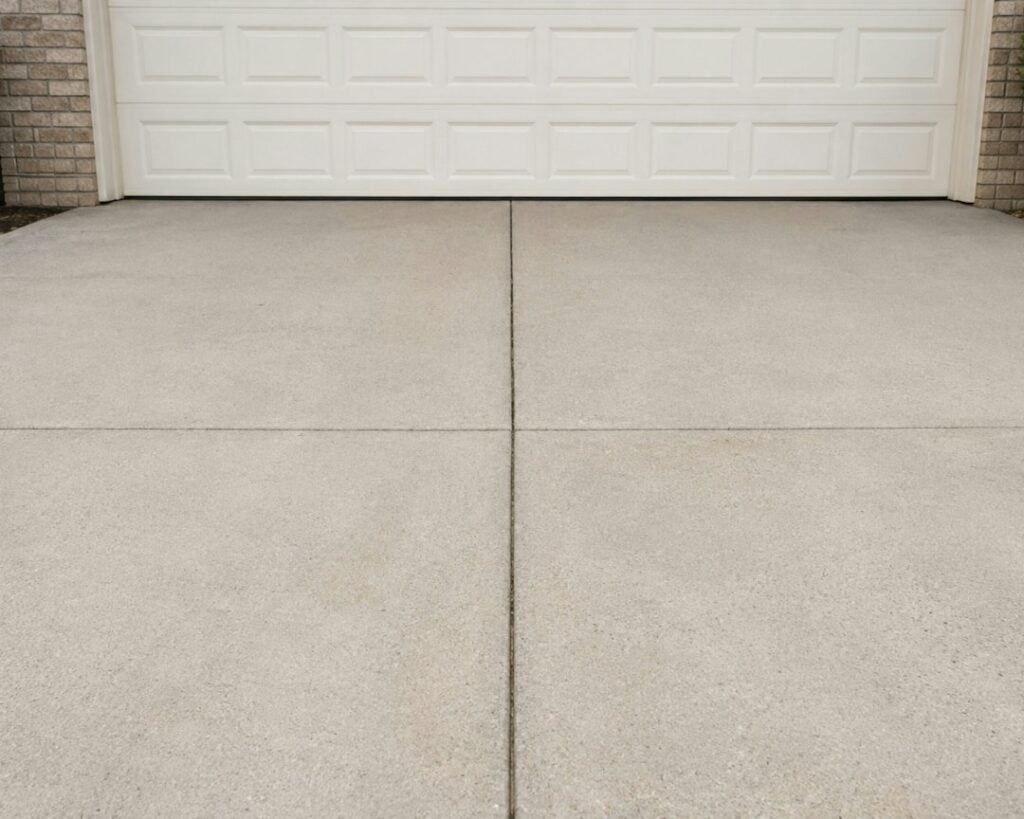
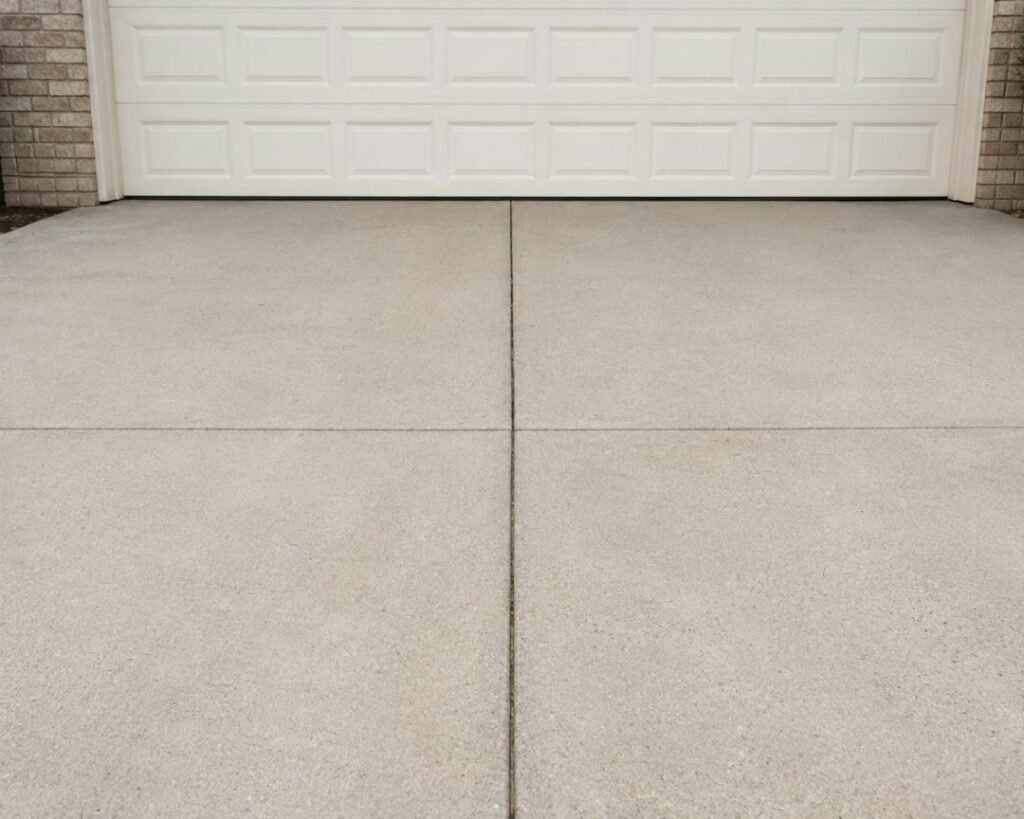
To visualize how these costs compound in practice, consider an illustrative project: installing a standard 600-square-foot brushed concrete driveway on a suburban lot with moderate site prep.
| Project Component | Estimated Cost |
|---|---|
| Demolition of old asphalt (600 sq. ft. @ $3/sq. ft.) | $1,800 |
| Excavation and sub-base grading | $900 |
| Crushed stone aggregate base (4 inches) | $750 |
| Standard poured concrete installation (600 sq. ft. @ $8/sq. ft.) | $4,800 |
| Permits, cleanup, and hauling fees | $250 |
| Total Estimated Project Cost | $8,500 |
Step-by-Step Installation Process
Knowing the physical steps of installation helps you monitor contractor progress and ensure quality workmanship on your property.
- Layout and Marking: The contractor stakes out the driveway perimeter, aligning it with property lines and garage entry points.
- Excavation: Heavy machinery digs out the earth to a depth determined by the material and soil conditions, usually 8 to 12 inches total.
- Sub-Grade Compaction: The bare earth is rolled and compacted with heavy vibratory compactors to create a solid foundation.
- Base Layer Installation: Crushed stone or aggregate is spread across the sub-grade in lifts and compacted thoroughly to prevent future sinking.
- Forms and Reinforcement: For concrete or pavers, wooden forms are built, and rebar or wire mesh is laid out to provide tensile strength.
- Paving or Pouring: The chosen surface material is applied, leveled, smoothed, or locked into place.
- Curing and Sealing: The driveway is left undisturbed to cure completely before being sealed against moisture and stains.
Hidden or Additional Costs to Anticipate
Unforeseen site conditions can quickly derail a tight budget. Keep these potential add-ons in mind when reviewing your estimates.
- Drainage systems: If water pools near your garage, installing French drains or trench drains can add $500 to $2,000.
- Permit fees: Municipal driveway permits typically range from $50 to $300 depending on your local jurisdiction.
- Utility line protection: Hitting unmarked utility lines can result in severe fines and repair bills; always call 811 before digging.
- Slope and retaining walls: Steep grades requiring retaining walls or concrete curbs will increase masonry and structural costs significantly.
- Environmental fees: Disposal fees for old asphalt or toxic sub-base materials can sometimes carry surcharges depending on local waste management policies.
Common Mistakes to Avoid
Avoiding critical planning errors ensures your investment lasts for decades rather than failing within the first winter season.
- Skipping soil compaction: Building on uncompacted soil causes severe settling and cracking within months.
- Ignoring proper drainage: Allowing water to pool against your foundation or freeze on the surface ruins the sub-base.
- Rushing cure times: Driving heavy vehicles onto concrete or asphalt before it has fully cured permanently compromises its structural integrity.
- Failing to check contractor licensing: Always hire insured, licensed professionals who pull proper municipal permits.
- Ignoring weather forecasts: Pouring concrete or laying asphalt during extreme heat, heavy rain, or freezing temperatures will ruin the chemical curing process.
How to Lower the Cost of Your Driveway Project
You can implement several practical strategies to trim expenses without sacrificing structural quality.
- Keep the shape simple. Straight rectangular layouts require less hand-forming and machine maneuvering than sweeping curves or circular designs.
- Choose cost-effective materials. Opting for gravel or standard asphalt instead of pavers or stamped concrete slashes material expenses immediately.
- Handle light demolition yourself. Tearing out old edging, clearing brush, or hauling away loose debris can save hours of contractor labor.
- Get multiple bids. Solicit at least three detailed itemized quotes from reputable local contractors to compare market rates.
- Schedule during off-peak seasons: Contractors may offer lower labor rates during late fall or early spring when demand dips.
How to Get an Accurate Driveway Estimate
Gathering precise contractor bids requires clear project details. Measure your exact length and width, note existing drainage challenges, and decide on your preferred material before calling professionals. Ask each contractor for an itemized breakdown covering excavation, sub-base depth, material thickness, and cleanup guarantees so you can compare proposals apples-to-apples.
Long-Term Value and Maintenance Strategies
Protecting your investment over its lifespan requires proactive upkeep. Different materials demand unique approaches to preserve their structural integrity and curb appeal.
For asphalt surfaces, crack filling should happen annually before the winter freeze sets in. Water entering unsealed cracks expands when frozen, rapidly widening minor blemishes into major potholes. Concrete benefits from yearly pressure washing and resealing every two to three years to block oil drips and deicing salt penetration.
Gravel driveways require active management during heavy storm seasons. Raking displaced stones back to the center of the driving path prevents ruts from forming in the wheel tracks. Adding a fresh top-dress layer every three to four years keeps the driveway looking full and dust-free.
Understanding Local Climate Impact on Materials
Your geographic climate is one of the most critical determinants of how long your new driveway will last. Choosing a material that clashes with regional weather patterns leads to accelerated degradation.
- Northern Freeze-Thaw Zones: Asphalt and concrete excel if properly installed, but concrete requires air-entrained mixes to resist damage from winter salt applications. Pavers also perform well because they move independently during ground freezes.
- Hot Southern Climates: Intense UV radiation bakes asphalt, causing volatile oils to evaporate and leaving the surface brittle and prone to cracking. Sealcoating with UV-blocking formulations is essential in the sunbelt.
- Heavy Rainfall Areas: Sloped regions and heavy downpours demand robust permeable base layers and proper edging to prevent erosion, particularly for gravel and paver installations.
Evaluating Contractor Quotes and Warranties
When you receive competing bids for your driveway installation, evaluate more than just the bottom-line dollar figure. A lowball bid often signals a contractor who plans to cut corners on sub-base thickness, aggregate quality, or compaction standards.
Look closely at the contractor warranty. Reputable installers typically provide a workmanship warranty ranging from one to five years, covering structural failure, excessive sinking, and major cracking caused by installation errors. Manufacturers of specific paver products or specialty coatings may also offer extended material guarantees.
Preparing Your Property for Construction Day
Once you select a contractor and nail down your project timeline, take proactive steps to prepare your property for heavy construction machinery and workforce disruption.
- Clear Personal Vehicles: Park all family vehicles on the street or a neighboring property well before the crew arrives on installation morning.
- Relocate Obstacles: Move potted plants, trash bins, lawn furniture, and decorative lighting out of the demolition and paving zone.
- Mark Sprinkler Heads: Flag underground irrigation heads, invisible dog fences, and shallow utility lines to prevent accidental destruction by skid-steer loaders.
- Inform Neighbors: Let your immediate neighbors know about upcoming noise, street blockages, and equipment traffic.
- Secure Pets: Keep household pets indoors away from loud machinery and open gates during excavation.
Frequently Asked Questions
How long does a new driveway last?
Lifespan varies significantly by material. Properly maintained concrete and paver driveways can last 30 to 40 years. Asphalt typically lasts 15 to 25 years with regular sealcoating, while gravel driveways last indefinitely if you top-dress and grade them every few years.
Can I pour a concrete driveway myself?
Pouring concrete is extremely time-sensitive and physically demanding. While DIYers experienced in grading and forming can handle small gravel or asphalt patches, large concrete pours usually require professional crews with specialized finishing equipment to prevent structural failure.
How thick should a concrete driveway be?
Standard residential concrete driveways should be at least 4 inches thick. However, if you regularly park heavy trucks, RVs, or commercial vehicles on the surface, pouring a 5-to-6-inch slab reinforced with rebar or wire mesh is strongly recommended.
Do I need a permit to install a new driveway?
Most municipal building departments require a permit, especially if the driveway connects to a public road or alters existing storm-water drainage. Always check local ordinances before starting demolition.
What is the cheapest material for a long driveway?
Gravel is by far the most economical choice for long country driveways, costing between $1 and $3 per square foot. Asphalt is the next most affordable paved option compared to concrete and pavers.
How long do I need to stay off a new asphalt driveway?
You should keep foot traffic off new asphalt for at least 24 hours and keep vehicles off for 3 to 5 days. During hot summer weather, asphalt takes longer to cure completely, so avoid sharp turns and parking heavy loads for up to two weeks.
Final Takeaway
Installing or replacing a driveway is a major home improvement project that instantly enhances security, accessibility, and property valuation. Keeping your budget on track requires balancing upfront material costs with long-term maintenance requirements.
- National planning averages range from $1,500 to $10,000+ total.
- Per square foot costs span $3 to $25 depending on material selection.
- Site prep, excavation, and old material disposal make up a large portion of initial labor estimates.
Material choices and sub-base stability remain your biggest cost variables. For preliminary planning, use BuildCost.online’s suite of calculators to model your layout, and always secure multiple formal bids from licensed local contractors.
Planning estimates vary by location, supplier and site conditions and should be verified locally.